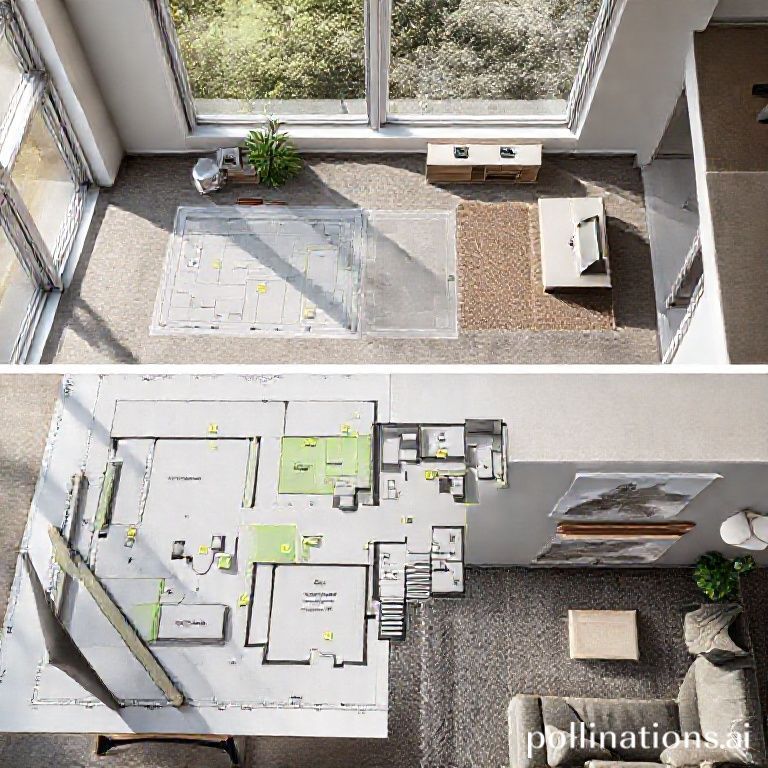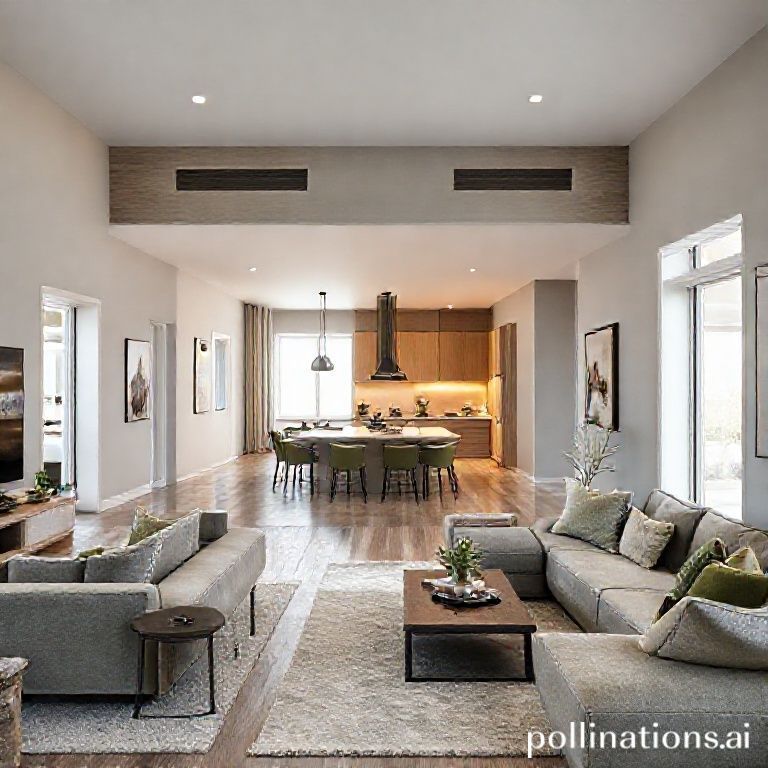
Understanding the flow in home floor plans is vital for creating living spaces that enhance comfort and functionality. In contemporary home design, where space is often limited and versatility is key, flowing layouts become essential in making homes feel inviting and practical. A well-thought-out floor plan promotes a natural progression from one area to another, ensuring that daily activities can be performed with ease, while also maximizing the use of available space. This article delves into the significance of flow in floor design, highlights some ideal home layout tips, and illustrates how these concepts can be effectively applied to create functional living spaces.
The Essence of Flow in Floor Plans
When discussing home floor plans, the term “flow” refers to the way in which space transitions from one room or area to another. A strong flow not only connects different spaces in a logical manner but also contributes significantly to the overall aesthetic and emotional experience of the home. Design experts suggest that the flow of a floor plan can dramatically influence daily living by creating an environment where activities can occur naturally and seamlessly.
Optimal flow can lead to enhanced communication among family members, increased convenience, and even improved safety within the home. A layout that encourages movement from the kitchen – the heart of many homes – to the dining and living areas can assist in the nurturing of social interactions and familial bonding.
Moreover, the arrangement of spaces should prioritize functionality while also addressing the lifestyle needs of the inhabitants. For families, this might mean ensuring that the children’s play areas are easily accessible from the kitchen and living room. For singles, an open-concept design may better fit an active social life. Thus, understanding flow is crucial not just in aesthetics but in aligning the physical space with the occupants’ daily habits and preferences.
Characteristics of a Well-Designed Flow
A positively flowing floor plan typically exhibits several key characteristics:
- Open and Connected Spaces: Open-concept layouts facilitate easy navigation and communication between rooms, which is particularly beneficial in family homes.
- Logical Room Arrangement: Rooms should be arranged in a manner that reflects their functions. For example, the kitchen should ideally relate to the dining area and living room, encouraging fluid interaction.
- Minimal Obstacles: Hallways and doorways should be strategically placed to avoid congestion, allowing unobstructed movement throughout the home.
- Natural Light and Views: Large windows and open spaces are essential in enhancing the aesthetic flow, allowing light to travel freely and views to be enjoyed from different angles.
Incorporating these characteristics into your design will significantly improve the overall function and feel of your home.
Pro Tip:
When deciding on a floor plan, visualize how you and your family will move through the space. Consider the flow of your daily routines and arrange rooms according to these fluid movements.
Common Mistakes to Avoid in Floor Plan Design
While the importance of flow in floor plan design is clear, several common pitfalls can hinder the creation of an optimal flowing living space:
- Ignoring Scale: Don’t overlook the scale of furniture and the size of rooms. Overly large furniture can disrupt flow in smaller spaces, rendering them uncomfortable and cramped.
- Overcomplicating Layouts: Complex designs with too many rooms can fragment spaces unnecessarily. Simplicity often leads to better flow.
- Forgetting About Storage: Adequate storage solutions, when strategically placed, can help to reduce clutter that interrupts the flow of movement and visual appeal.
- Neglecting Traffic Patterns: Be cognizant of how people move throughout the home. Ensure that frequently used spaces are accessible without needing to navigate through other rooms.
Designing for Small Spaces
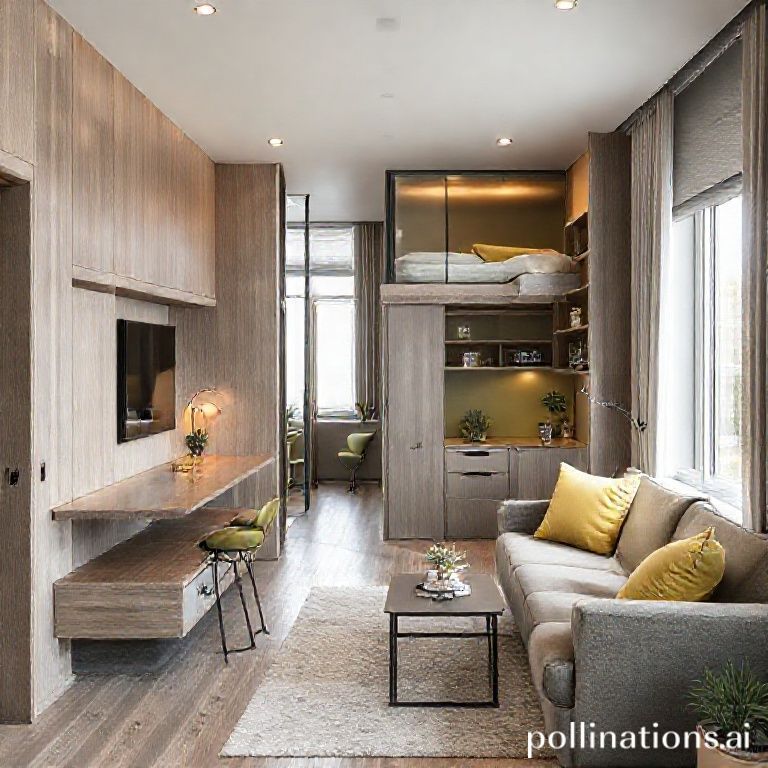
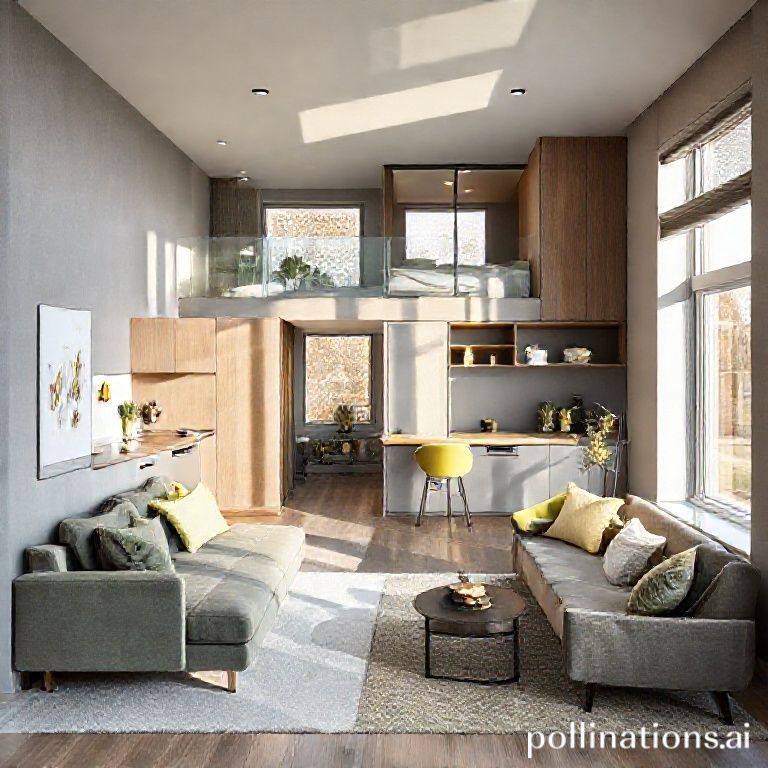
In contemporary and modern homes, especially those designed for small spaces or smart homes, achieving flow can be particularly challenging. However, there are effective strategies that can help enhance flow even in tighter quarters:
- Utilize Open Shelving: Rather than closed cabinets, open shelving can create an airy feel and serve as accessible storage, which encourages natural movement through the kitchen and dining areas.
- Incorporate Multi-Functional Furniture: Items like foldable tables or sofa beds can provide flexibility and enhance the efficiency of small spaces, allowing for fluid transitions between different uses.
- Choose Neutral and Earth Tone Colors: Light color palettes can create the illusion of larger spaces, helping with flow by making transitions less stark between different areas.
- Use Area Rugs: Strategically placed rugs can visually define separate areas while maintaining an overall cohesive flow.
Designer Insight:
Design professionals often stress the importance of visual continuity in smaller homes where every square inch counts. Employing a consistent color scheme and matching materials can enhance the perception of flow and connection between rooms.
Case Studies of Effective Flow in Home Floor Plans
Real-world examples can provide insight into how effective flow in floor plans is not merely theoretical but can be successfully applied in residential design. Let’s explore some instances:
Example 1: The Open-Concept Family Home
A well-known design showcased in contemporary home magazines featured an open-concept layout where the living room, dining area, and kitchen seamlessly converge. Large sliding glass doors connected the indoor space with a manicured patio, creating visual and physical flow between the outdoors and indoors, perfect for family gatherings and entertaining.
Example 2: Smart Small Space Living
A small urban apartment exemplified innovative flow through the use of pocket doors, allowing the space to transform between open and closed arrangements depending on the function of the moment. The kitchen extended fluidly into a compact living area, accented by minimalist furniture choices that promoted easy mobility.
Tips for Choosing or Designing Your Floor Plan
When selecting or designing your home floor plan with flow in mind, keep the following considerations at the forefront:
- Evaluate Your Lifestyle Needs: Consider how you spend your time at home. Families may prefer layouts that include play areas close to family rooms, while singles may prioritize social spaces.
- Think About Traffic Patterns: Visualize how people will move through your space during everyday tasks and adapt your design to simplify these pathways.
- Plan for Flexibility: Incorporate rooms that can serve multiple purposes, accommodating changing family needs over time.
- Prioritize Natural Light: Design spaces to maximize natural light, enhancing the overall feeling of openness and flow.
Conclusion
In summary, understanding the significance of flow in home floor plans is essential for crafting living spaces that truly enhance daily life. A well-designed floor plan should facilitate fluid movement between rooms, cater to the specific needs of its occupants, and contribute to a home’s overall comfort and functionality. By avoiding common design pitfalls, prioritizing effective layouts, and utilizing smart design elements even in small spaces, homeowners can create beautiful and practical environments. If you’re considering a renovation or a new build, keep these insights in mind, and explore other related categories in our blog, such as ‘Contemporary Home Design Tips’ or ‘Smart Homes Solutions for Small Spaces’ for further inspiration.