When it comes to creating a serene and comfortable sleeping environment, the color of your bedroom plays a pivotal role. This article delves deep into the psychological impact of various color schemes in the bedroom and how these choices can significantly enhance sleep quality and overall mood. With the understanding that colors can evoke specific emotions and responses, we will explore calming palettes and offer expert tips for selecting the perfect colors for your personal sanctuary.
The Psychological Effects of Color
Color psychology is a fascinating field that examines how different hues affect our emotions and behavior. It observes the nuances that colors convey, which can vary based on context, culture, age, and gender. For instance, soft pastels are often associated with tranquility, while vibrant tones can stimulate energy and enthusiasm. In creating a bedroom conducive to restful sleep, it’s essential to select colors that promote calmness and relaxation.
Design experts suggest that warm neutrals, gentle earth tones, and soothing pastels can create a peaceful ambiance that invites relaxation. According to research, cooler colors such as blues and greens are particularly effective in reducing stress and promoting a sense of tranquility, making them ideal choices for bedrooms.
Calming Color Palettes
Choosing the right color palette can transform your bedroom into a haven of peace. Here are some color options, along with their psychological benefits:
- Soft Blues: Known for their calming effects, soft blue tones can lower blood pressure and heart rate, facilitating a conducive environment for sleep.
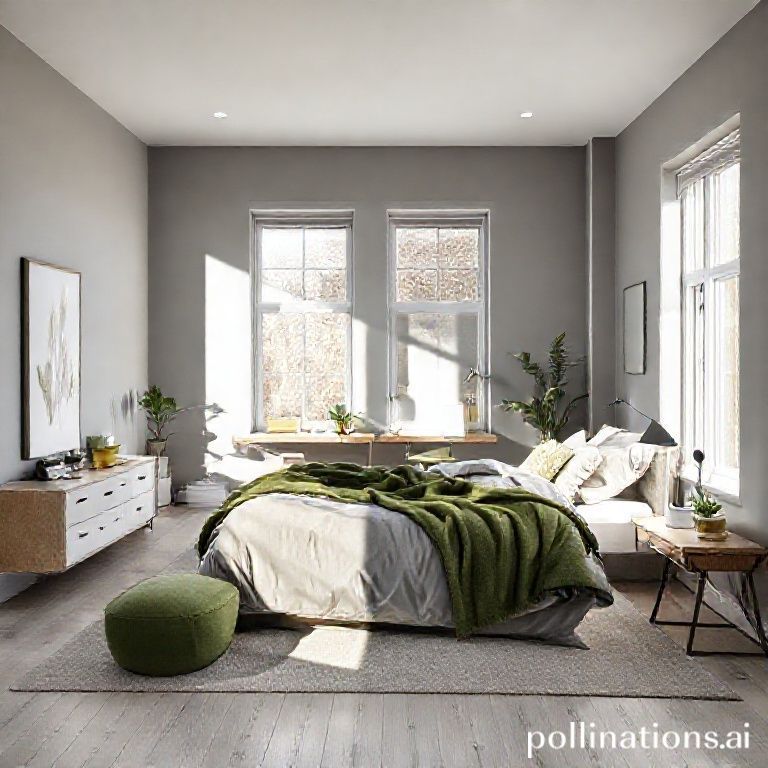
- Gentle Greens: Green shades evoke feelings of nature and tranquility, known to have a restorative effect, promoting relaxation.
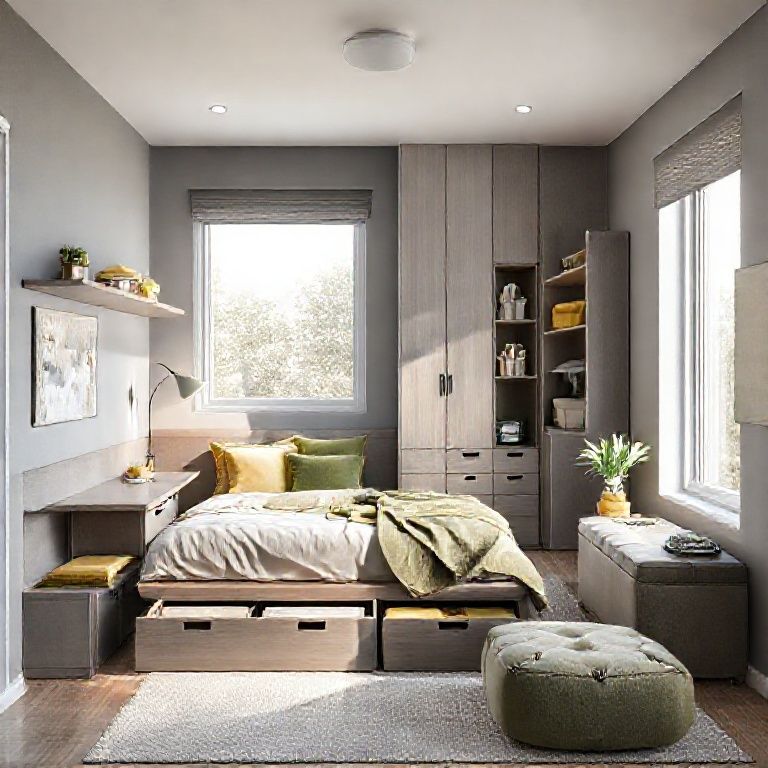
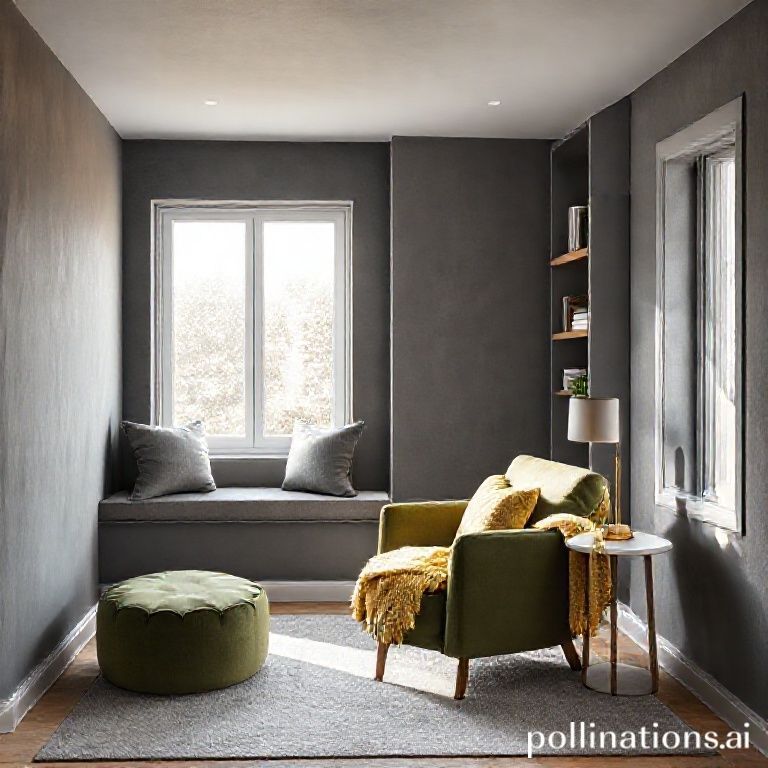
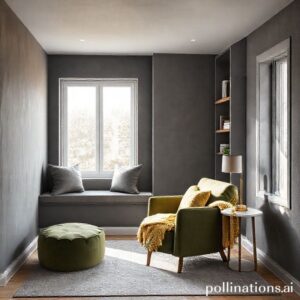
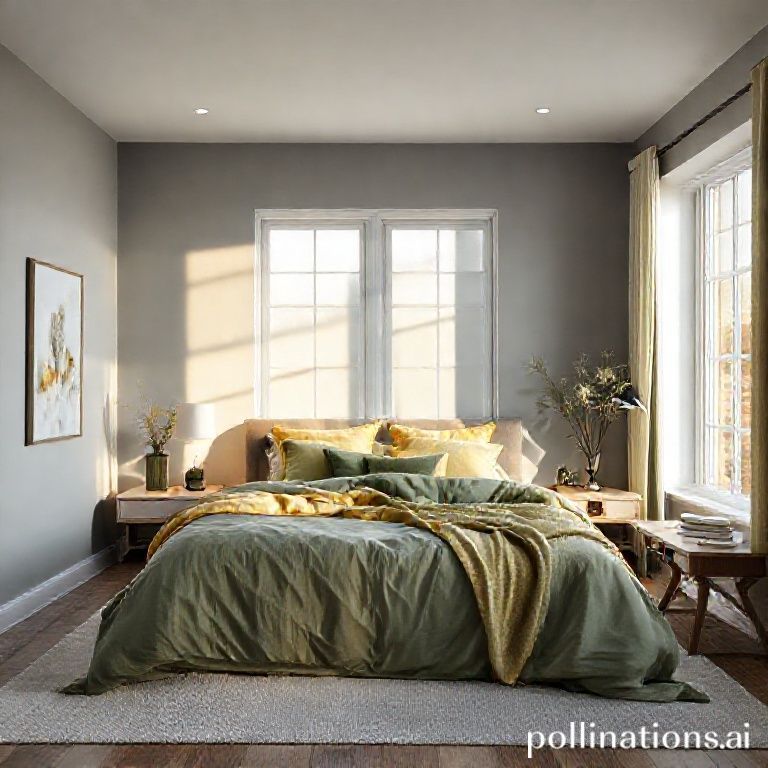
- Pale Grays: This neutral color creates a sophisticated backdrop, fostering a serene atmosphere that can be balanced with warmer decor accents.
- Warm Neutrals: Colors like beige and taupe create an inviting space that feels warm and comfortable, perfect for winding down after a long day.
- Pastel Pink: Often associated with tranquility and warmth, pastel pinks can evoke feelings of comfort and calmness in a bedroom setting.
Tips for Choosing the Right Bedroom Colors
Selecting the perfect color for your bedroom can be an enjoyable yet challenging endeavor. Here are some expert tips to guide you through the process:
- Consider Your Personal Preference: Colors have different meanings and effects on individuals, so it’s essential to choose hues that resonate personally with you. Take time to explore different shades and see how they make you feel.
- Test Samples: Paint swatches on your walls and observe them at different times of the day. Natural light can alter the perception of color significantly.
- Keep the Room’s Size in Mind: In small spaces, lighter colors can help create an illusion of a larger area, while darker hues can make the room feel cozier and more intimate.
- Think About Balance: If you choose a bold color for an accent wall, balance it with softer hues in decor and furniture to avoid an overwhelming environment.
- Incorporate Texture: Use materials like fabric and wood to add depth to your color scheme. Mixing textures can enhance the calming effect of your chosen colors.
Common Mistakes to Avoid
When designing your bedroom’s color scheme, certain pitfalls can lead to an uninviting or disruptive environment. Here’s what to watch out for:
- Ignoring Lighting: The same shade can look vastly different under artificial light. Ensure to evaluate colors in different lighting to prevent unpleasant surprises.
- Overloading on Trendy Colors: While current design trends may be appealing, selecting overly bold colors may not provide the long-term comfort needed for a sleep space.
- Neglecting Integration: Your bedroom’s color should harmonize with the rest of your home for a cohesive flow. Consider how it complements other areas.
Designer Insight: Sustainable Choices for Small Spaces
As many homeowners, particularly singles and students, seek sustainable solutions when designing their personal spaces, selecting eco-friendly paints and materials is increasingly important. Non-toxic, low-VOC paints are not only better for your health but also contribute to environmental sustainability. Additionally, using sustainable wood furniture can harmonize beautifully with natural color palettes, creating a calming and eco-conscious haven.
The Importance of Color Trends in Bedroom Design
Color trends evolve, and keeping abreast of contemporary palettes can help homeowners make informed decisions about their bedroom design. Research indicates that neutrals combined with pops of pastel colors are currently in vogue. Incorporating these trends can enhance the aesthetic appeal of your bedroom, making it feel modern while retaining its restorative qualities.
Conclusion
In summary, the impact of bedroom color on sleep quality cannot be overstated. By carefully selecting hues that evoke tranquility and relaxation, and avoiding common pitfalls in the decorating process, you can create a bedroom that not only enhances your mood but also significantly improves your sleep quality. Whether you find solace in soft blues or gentle greens, the right color palette will reflect your personality while fostering an oasis of calm. For further inspiration, consider exploring different bedroom styles, such as Contemporary, Scandinavian, and Modern, to find the perfect design that resonates with your personal space.
Ready to transform your sanctuary into a calming retreat? Discover more inspiration and ideas in our related articles on bedroom aesthetics and design tips today!