Understanding how the colors you choose for your bedroom can directly influence your sleep quality is essential in today’s fast-paced world. With the growing appreciation for wellness at home, more individuals are seeking ways to enhance their environments to promote rejuvenating rest. The psychology of color plays a crucial role in this transformation, impacting not only the aesthetics of a space but also the emotional and physiological responses of its inhabitants. This article delves into the intricate relationship between bedroom color schemes and sleep, providing insights into the best hues for optimizing relaxation and mood.
The Psychology of Color: An Overview
Color psychology is the study of how colors affect perceptions and behaviors. Historically rooted in both art and therapy, experts argue that colors are closely linked to our feelings and physiological responses. Carl Jung, a pioneer in color psychology, posited that colors resonate on a subconscious level, impacting our mood and state of mind. For instance, warm colors like red and orange can evoke feelings of warmth and excitement, while cooler shades such as blue and green tend to promote calmness and relaxation.
In terms of sleep, certain colors can help create an environment conducive to rest. Many homeowners are now choosing soothing palettes that alleviate stress and foster a serene atmosphere. The psychological impact of color can vary based on culture, age, and personal experiences; however, there are general principles that can guide your color choices for your sleep space.
How Bedroom Colors Affect Sleep Quality
Recent studies indicate that the colors in our bedrooms can significantly influence sleep patterns and overall relaxation. A survey conducted by The Sleep Foundation indicated that individuals who occupied bedrooms painted in soft, calming colors reported better sleep experiences than those surrounded by vibrant, stimulating colors. The critical factor lies in creating a space that feels restful and represents tranquility.
Calming Hues: The Best Colors for Relaxation
- Blues: Shades of blue are renowned for their calming effects. Light blue, in particular, mimics the hues of the sky and is often associated with reduced heart rates and lowered blood pressure.
- Greens: Promoting a restful and balanced atmosphere, green is often compared to nature. Soft, earthy greens can evoke feelings of harmony and renewal, ideal for restful nights.
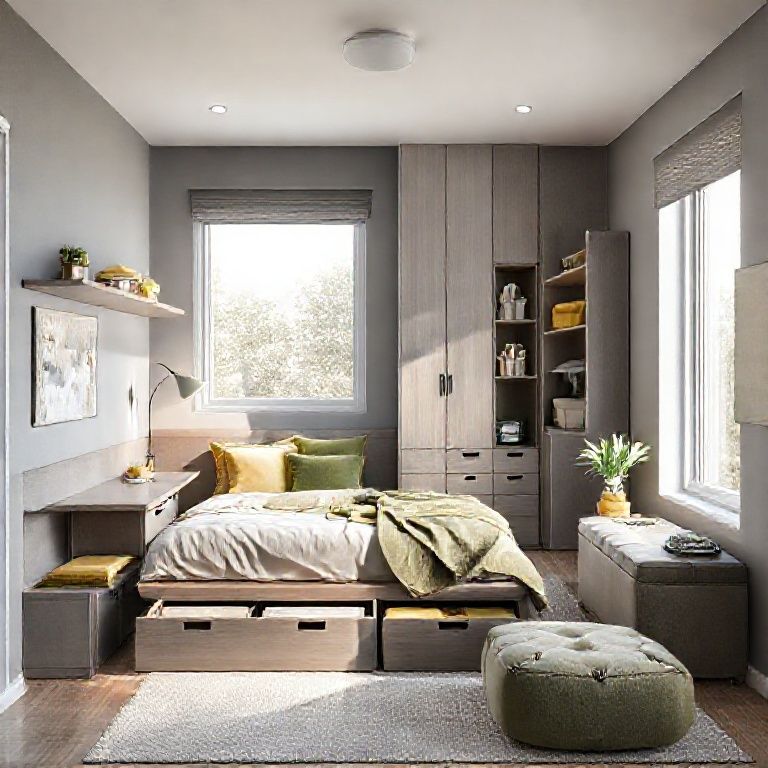
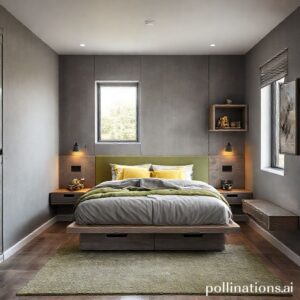
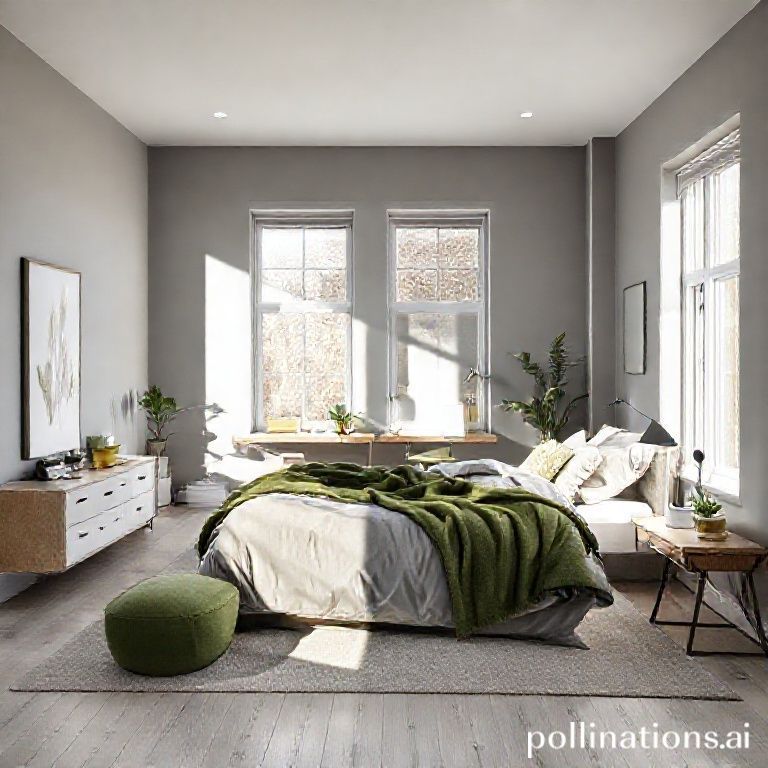
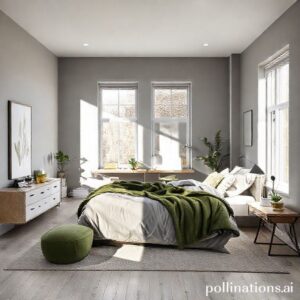
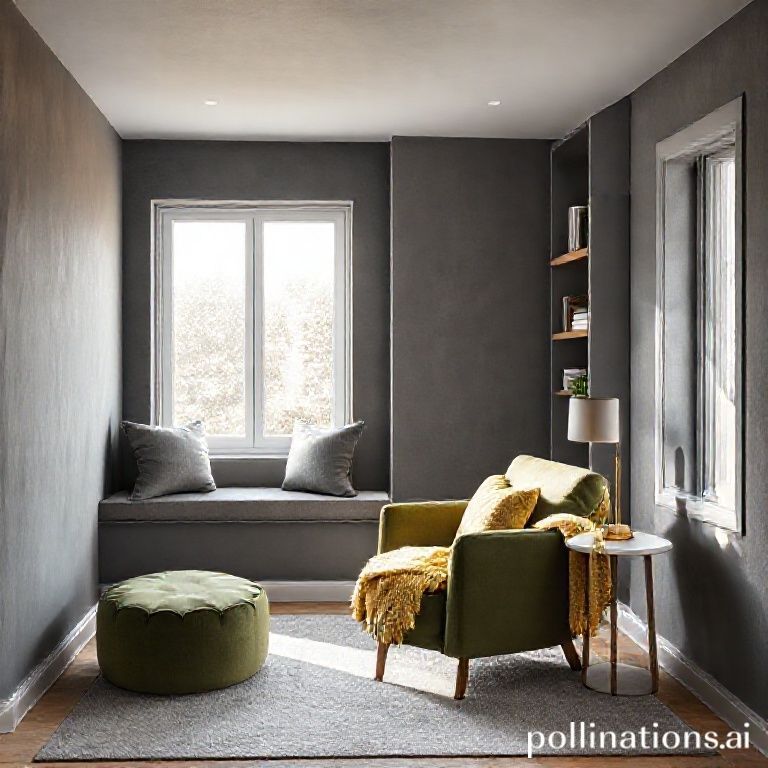
- Soft Grays: This neutral tone can provide a serene backdrop for various bedroom designs. Grays, particularly in lighter shades, can create a sophisticated and calming space.
- Pastels: Colors like pale lavender or soft peach offer a gentle charm, reducing anxiety while still providing a pop of color that keeps the room feeling light and airy.
- Off-Whites: These shades add a level of warmth without the starkness of pure white. They can make a room feel airy and spacious, contributing to an overall serene environment.
Hues to Avoid for Better Sleep
- Vibrant Reds: While energetic and exciting, red can elevate heart rates and invoke feelings of agitation, making it less than ideal for a relaxing sleep environment.
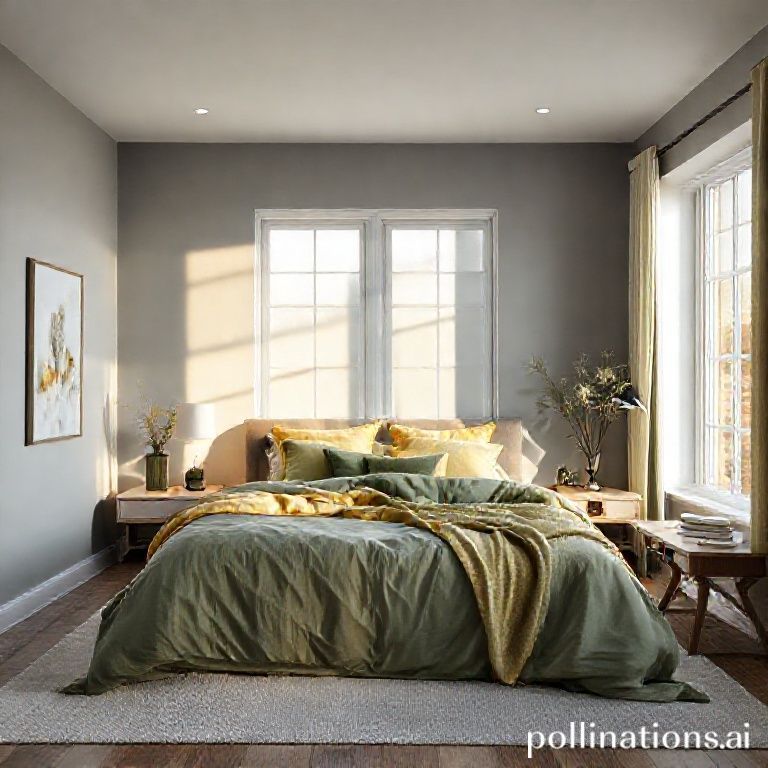
- Bright Yellows: Though cheerful, bright yellow can be overwhelming. It may increase levels of anxiety rather than create a calm and restful atmosphere.
- Dark Blues: While navy or dark blue might create depth, they can also evoke a sense of gloom if overused in a small space.
Current Trends in Bedroom Color Schemes (2025)
As we move further into 2025, the trends in bedroom design continue to evolve, embracing a harmonious blend of color psychology and contemporary aesthetics. Popular styles such as Scandinavian and Modern designs utilize soft tones and natural materials, optimizing both visual appeal and emotional well-being. Here are some trends worth noting:
- Earthy Tones: Soft browns, muted greens, and sandy beiges encapsulate a connection to nature, promoting tranquility while ensuring comfort.
- Neutral Palettes: Combined with accents in muted hues, neutrals can create a timeless bedroom design that soothes the senses and emphasizes relaxation.
- Layered Textures: Mixing textures—like fuzzy throws or woven rugs—adds depth to the soothing color schemes, enhancing the overall sensory experience in the bedroom.
Pro Tips for Choosing the Right Color for Your Bedroom
Choosing the right colors for your bedroom can be a transformative experience, but it requires careful consideration. Here are several expert insights and practical tips to guide you:
- Test Before Committing: Always test paint samples on your walls before fully committing. Observe how the color looks at different times of the day to see how it interacts with natural light.
- Consider Your Furniture: The colors of your existing furniture and decor play a significant role. Ensure that the new color complements your furnishings, resulting in a cohesive look.
- Balance is Key: If you choose bolder accents, balance them with softer tones to maintain a calm environment. This approach can enhance the aesthetic while keeping the room soothing.
Avoiding Common Mistakes in Bedroom Color Selection
While choosing colors for your bedroom can be fun, it also comes with its challenges. Here are some common mistakes to avoid:
- Overdoing It: A common pitfall is overusing a bold color. Instead of an entire room painted in a vibrant hue, consider using accents in artwork or decor.
- Ignoring the Size of the Room: Dark colors can make small bedrooms feel cramped. Opt for lighter shades in smaller spaces to create an illusion of openness.
- Neglecting Personal Preference: Ultimately, your bedroom should reflect your taste. Don’t adhere strictly to trends; ensure the chosen colors resonate with your personal aesthetics.
Conclusion
The impact of color on sleep quality is profound and nuanced. By understanding color psychology, selecting appropriate hues, and embracing modern bedroom design trends, you can create an oasis that fosters relaxation and rejuvenation. As you consider the colors for your space, remember to balance trends with personal flair, ensuring that your bedroom is not only trendy but also deeply reflective of your needs and desires. If you’re interested in exploring other facets of bedroom design, such as functional layouts for small spaces or sustainable materials, be sure to check out our other articles for inspiration!