Minimalist architecture, an influential trend that transcends mere aesthetics, reflects a philosophy deeply rooted in the idea of simplicity and functionality. Defined by its clean lines, open spaces, and a restrained palette, this architectural style has gained immense popularity among homeowners looking to create serene and harmonious living environments. In this comprehensive guide, we will explore the pivotal principles of minimalist architecture, share insights on how you can effectively incorporate minimalist designs into your own home, and illustrate the myriad benefits that come with embracing this elegant approach to home design.
The Essence of Minimalist Architecture
At its core, minimalist architecture is characterized by its focus on creating spaces that are both functional and aesthetically pleasing. This architectural style emerged as a reaction to the ornate designs of the mid-20th century, favoring instead a less-is-more approach. By stripping away excess and concentrating on essential elements, minimalist architecture allows for a more peaceful living environment.
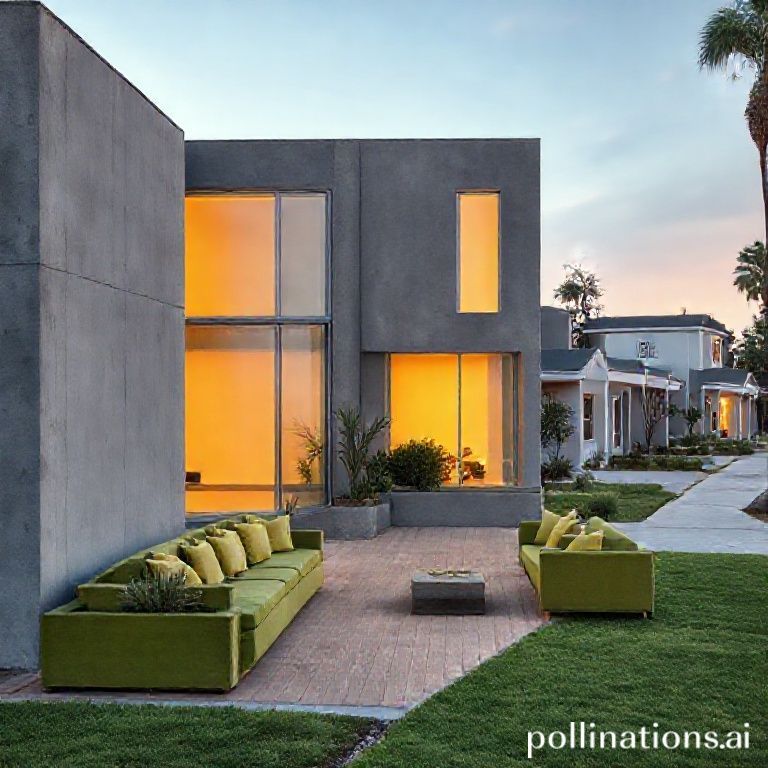
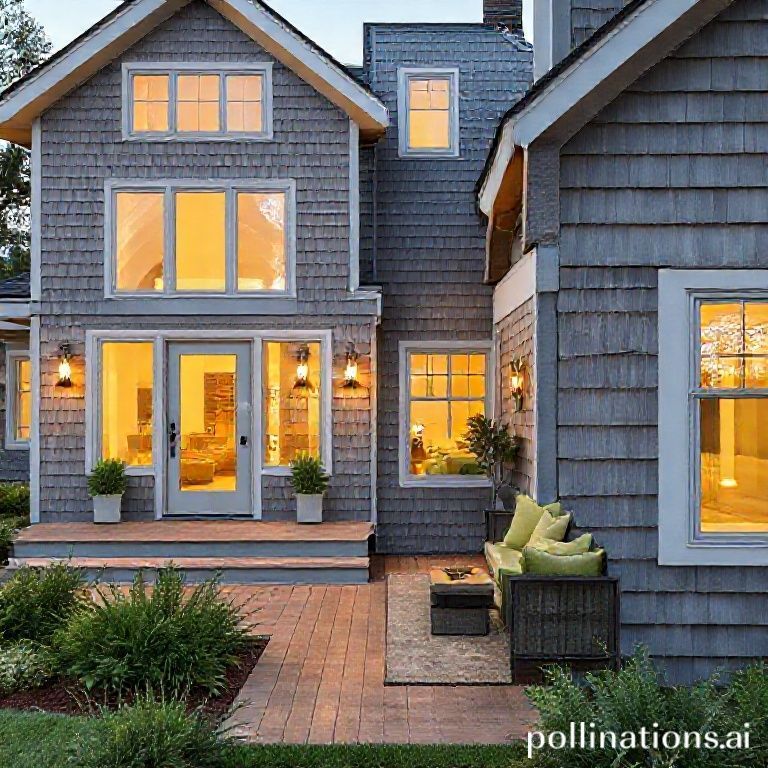
According to design experts, the fundamental aim of minimalist architecture is to emphasize the beauty of simplicity. This is achieved through the thoughtful use of space, light, and materials. The interplay between architecture and nature is also crucial; large windows and open layouts foster a connection with the outdoors, inviting natural light to permeate the home and emphasize its clean lines.
Key Characteristics of Minimalist Design
- Simplicity: Minimalist architecture embraces the idea of reducing a home’s design to its core functions. Uncluttered surfaces and a lack of ornate embellishments contribute to a sense of calm and order.
- Functional Spaces: Every element in a minimalist home is designed with purpose. Open floor plans facilitate movement and create a sense of spaciousness, allowing homeowners to navigate easily and experience their environment without obstruction.
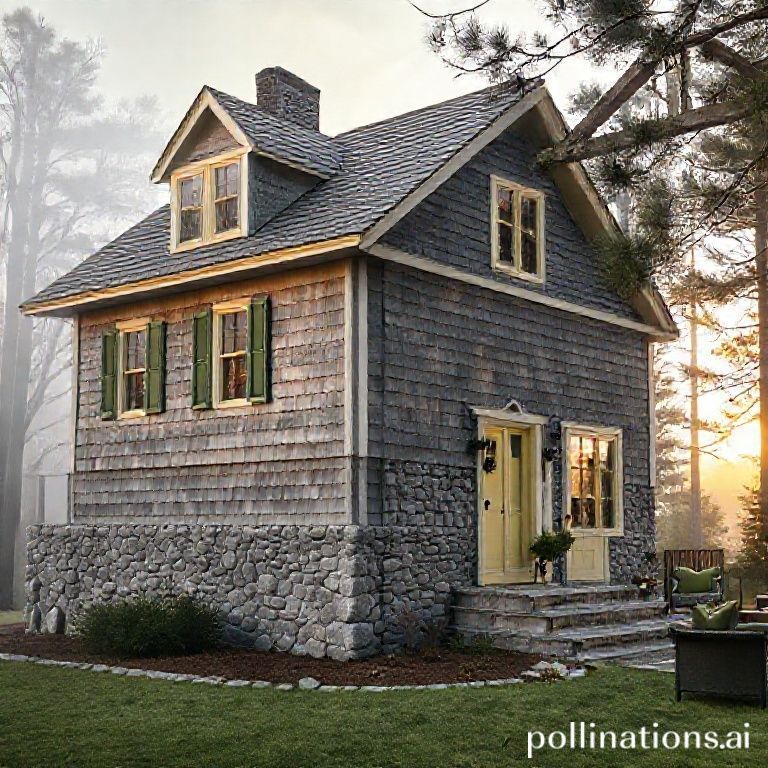
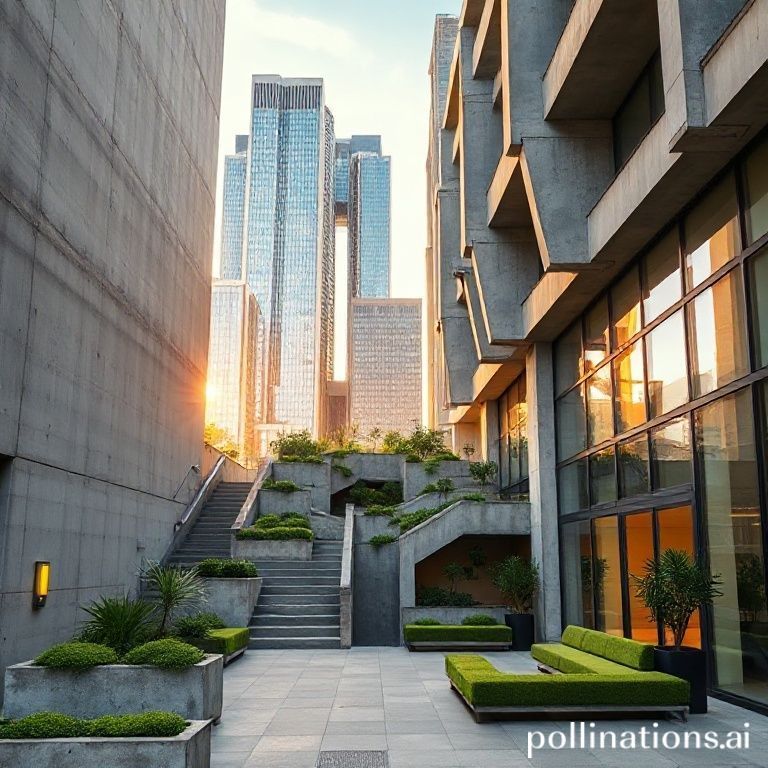
- Natural Materials: The materials used in minimalist architecture are often organic and unadulterated, including wood, metal, and glass. These elements not only enhance the home’s aesthetic value but also foster a sustainable approach to building.
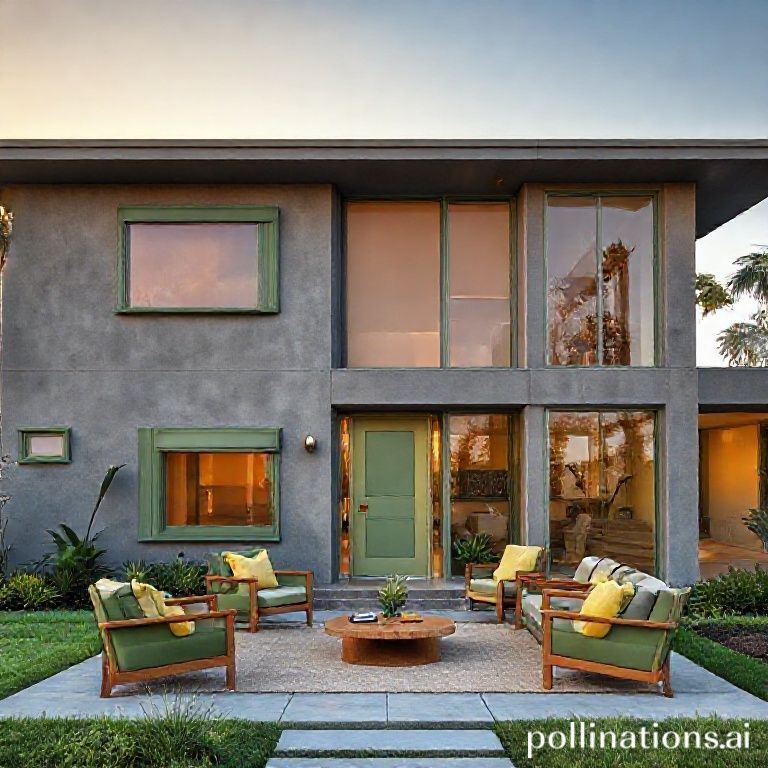
- Neutral Color Palettes: A monochromatic color scheme or neutral palette is commonly employed. Shades of white, grey, and beige create a cohesive and serene atmosphere, while well-placed pops of color can serve as focal points.
- Integration of Nature: Large windows and open spaces help to blur the boundaries between indoor and outdoor living, reinforcing a sense of tranquility and connection to nature.
Benefits of Minimalist Architecture
Choosing a minimalist architectural approach can profoundly impact your overall well-being, home functionality, and design efficiency. Below are some of the key benefits that homeowners can enjoy when they embrace minimalist design principles.
Psychological Well-being
In our fast-paced and often overwhelming world, minimalism offers a reprieve. By eliminating clutter and distractions, minimalist homes promote a more peaceful and harmonious living experience. Studies have shown that simpler living environments can lead to reduced stress levels and increased mental clarity. This clean aesthetic paves the way for mindfulness, allowing residents to focus on what truly matters.
Increased Functionality
Minimalist design emphasizes functionality through efficient use of space. Every piece within a minimalist home is intentional, thereby supporting a simpler daily routine. Spaces designed with this ethos tend to facilitate convenience, where everything has its place, and nothing is superfluous. Homeowners can navigate their homes effortlessly, enjoying the freedom that arises from well-organized surroundings.
Cost Efficiency
Many homeowners find that minimalist architecture can also lead to significant cost savings in terms of both construction and maintenance. By focusing on essential materials and designs, the overall construction costs can be reduced, making minimalist homes a wiser financial investment. Additionally, such homes often require less upkeep due to their straightforward design, allowing for more time spent enjoying the living space rather than maintaining it.
Sustainability
As more individuals prioritize sustainability and eco-friendliness, minimalist architecture aligns seamlessly with these values. By using sustainable materials and minimizing waste during construction, minimalist homes can have a lower impact on the environment. Moreover, the emphasis on natural light reduces reliance on artificial lighting, further contributing to energy efficiency.
Incorporating Minimalist Design Into Your Home
Transitioning your home to a minimalist aesthetic involves more than just removing clutter; it requires a thoughtful approach to design and functionality. Below are steps that homeowners can take to effectively incorporate minimalist principles into their living spaces:
1. Evaluate Your Space
Start by assessing your existing space. Identify zones that feel cramped or uneasy, and consider how you can redistribute or remove items to promote better flow. The goal is to create a balanced environment that feels open and inviting.
2. Adopt a Neutral Palette
Select a color scheme that embodies neutrality, focusing on whites, greys, and earth tones. These shades promote a timeless and clean appearance while allowing your chosen accent pieces to shine. Incorporate texture through textiles and natural materials to add depth to your minimalist home without overwhelming the overall aesthetic.
3. Choose Quality Over Quantity
Invest in a few high-quality, multifunctional pieces rather than filling your space with numerous items. Look for furnishings and decor that are not only beautiful but also serve multiple purposes. For example, a sleek coffee table can double as a storage unit, while a bed with built-in drawers maximizes space efficiency.
4. Embrace Natural Light
Maximize the use of natural light by prioritizing large windows and open layouts. Window treatments should be minimal as well; consider sheer or light-filtering options that allow sunlight to flood in while maintaining privacy. Strategically placed mirrors can also help reflect light, enhancing the openness of your space.
5. Create a Functional Layout
Focus on the flow of your living space to ensure it supports functionality. Open floor plans are particularly effective in minimalist design, allowing for greater interactions among family members while maintaining visual separation between areas.
Common Mistakes to Avoid in Minimalist Design
Despite the ease with which minimalist ideals can be implemented, homeowners often misstep in their journey toward minimalism. Below, we highlight common mistakes to avoid:
Over-Cluttering
A primary pitfall is retaining too many items in the pursuit of minimalism. The motto “less is more” truly applies here; only keep items that serve a purpose or bring joy.
Neglecting Comfort
Minimalist homes are sometimes mistakenly viewed as cold or uninviting. It is essential to integrate comfort into your design through soft textiles and ergonomic furnishings. Personal touches, such as art or sentimental items, can add warmth, provided they align with the minimalist ethos.
Forgetting Functionality
While aesthetics are key in minimalist design, functionality should not be sacrificed. Ensure that your layout supports everyday tasks and accommodates all the activities that take place in your home.
Conclusion
Minimalist architecture offers a serene and sophisticated approach to home design that resonates with many homeowners today. By embracing simplicity, functionality, and a clean aesthetic, individuals can create spaces that promote well-being and sustainability. As you embark on your minimalist journey, consider the principles discussed in this guide—stripping away the unnecessary, focusing on quality, and designing for both beauty and practicality. For those eager to explore more architectural styles or delve deeper into home design, consider checking out our other articles on contemporary, modern, and Scandinavian aesthetics.