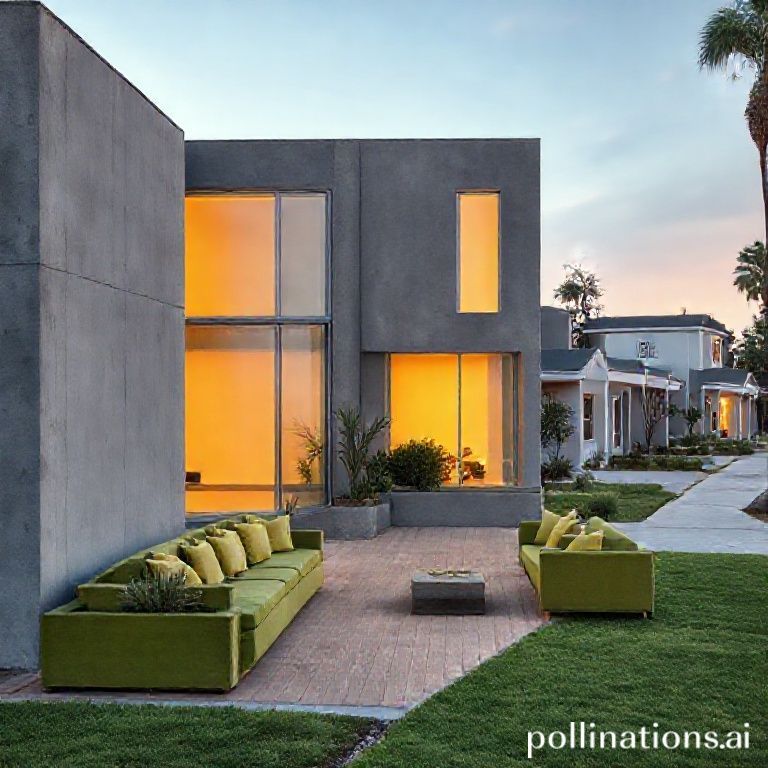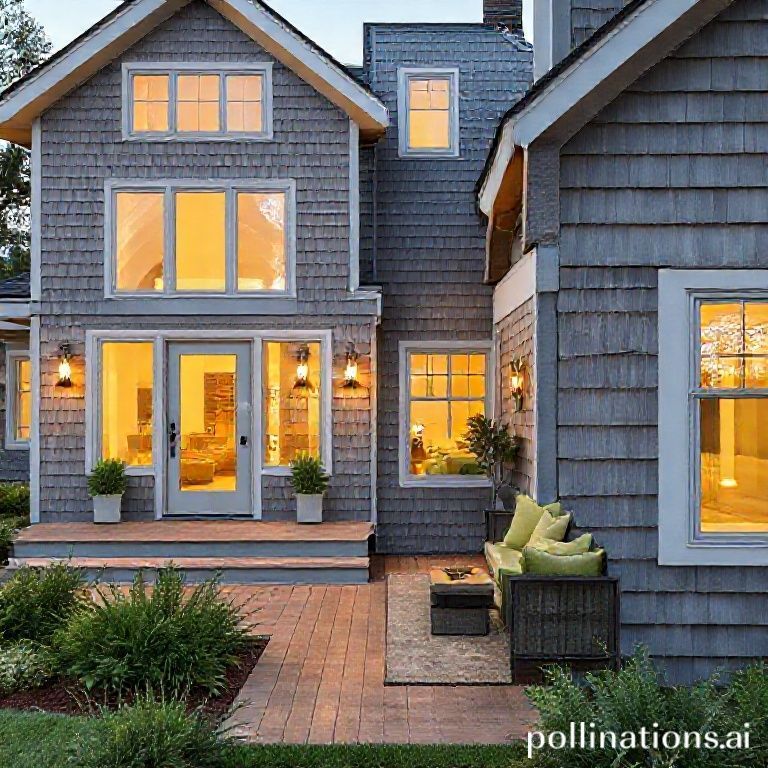
Mid-Century Modern architecture represents a design movement that emerged in the United States between roughly 1945 and 1970, during a period of significant transformation in architectural styles and lifestyle preferences following World War II. Characterized by clean lines, organic forms, and a strong connection to nature, Mid-Century Modern (MCM) has become a cornerstone of American architectural identity. In this article, we will explore the defining features of Mid-Century Modern architecture, its historical context, and the ways in which it continues to shape contemporary design.
The Historical Context of Mid-Century Modern Architecture
The Mid-Century Modern movement was influenced by various design movements, including the Bauhaus and International styles, and it reflects an American adaptation of these European ideas. The post-war era in the United States came with a surge in suburban living, fueled by economic growth and an expanding middle class. Architects aimed to create homes that were accessible to the average American family while also integrating innovative architectural techniques. The emphasis was placed on open spaces, natural light, and a seamless transition between indoor and outdoor living, which were revolutionary concepts at the time.
Influences and Visionaries
The design ethos of Mid-Century Modern architects often drew inspiration from notable figures such as Frank Lloyd Wright, Le Corbusier, and Ludwig Mies van der Rohe. Their combined philosophies prompted architects to explore new materials, such as glass and wood, and implement forward-thinking construction methods, such as post-and-beam frameworks. Builders and developers like Joseph Eichler were pivotal in the proliferation of MCM homes, particularly in the cozy California suburbs, offering homes designed around the needs of modern families.
Defining Characteristics of Mid-Century Modern Architecture
Understanding the key features of Mid-Century Modern architecture provides insight into why this style endures today. Its principles encompass not only aesthetic choices but also functional considerations.
Open Floor Plans and Indoor-Outdoor Flow
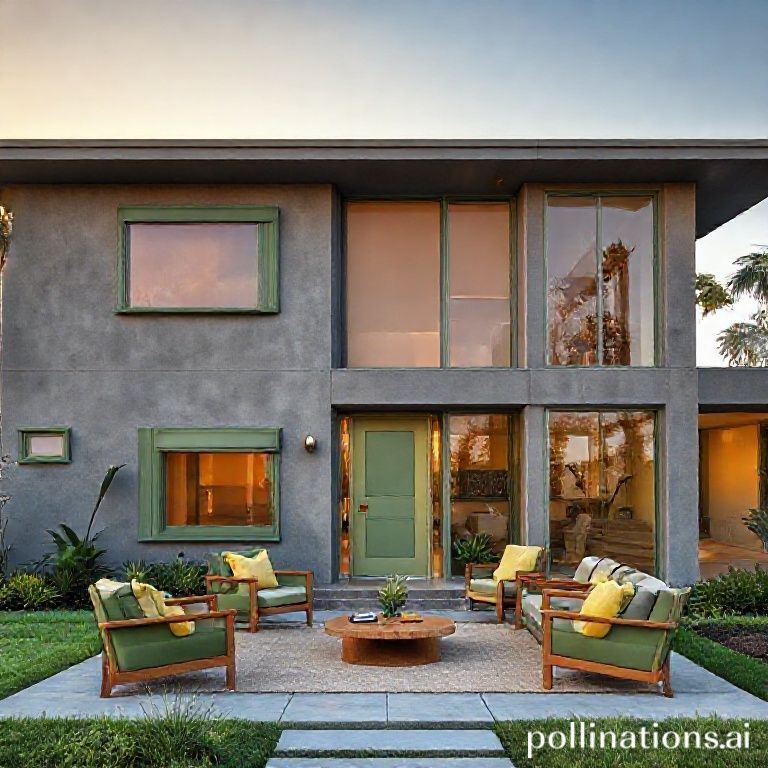
One of the hallmark features of Mid-Century Modern homes is the incredibly open layout that encourages fluid movement from room to room. This design philosophy fosters environments conducive to both socialization and family interaction. Floor plans are strategic, often featuring large glass walls that dissolve the boundaries between indoor and outdoor living, inviting nature into everyday life. This open concept design reflects a departure from the more compartmentalized layouts prevalent in earlier architectural styles.
Integration with Nature
Mid-Century Modern architects aimed to create homes that harmonized with their surroundings. Large windows, sliding doors, and outdoor spaces like terraces and patios extended living areas and enhanced natural light. The incorporation of natural elements into the design—whether through the strategic placement of trees, gardens, or the use of sustainable materials—was essential in furthering this connection to the environment.
Use of Innovative Materials
Glass, wood, and concrete are the dominant materials found in Mid-Century Modern architecture. Glass enables expansive views, maximizing natural light and embracing the outdoors, while wood provides warmth and texture. The application of these materials is often characterized by their honest and straightforward use, eschewing excessive ornamentation in favor of simplicity and functionality. This practical yet elegant approach to materials can be seen in many contemporary designs as well.
Modern Influence and Resurgence
The influence of Mid-Century Modern architecture can be felt in today’s design philosophies, with many contemporary homes reflecting MCM principles. As homeowners seek sustainable living options, the MCM emphasis on natural light and outdoor integration aligns well with modern environmental considerations. Many people are opting for features reminiscent of Mid-Century design, such as open floor plans and a focus on landscaping that harmonizes with architecture.
Current Trends Inspired by Mid-Century Modern
- Minimalist Aesthetics: Today’s designs borrow the MCM preference for minimalistic forms and functional beauty, prioritizing simplicity without compromising style.
- Sustainable Practices: Architects and builders today are increasingly integrating sustainable materials and energy-efficient designs into their projects—an evolution of the passive solar strategies employed by MCM architects.
- Revival of Iconic Features: Features such as low-profile roofs, wide eaves, and asymmetrical façades, once hallmarks of MCM houses, are making their way back into contemporary architectural practices.
Designer Insight
As design experts suggest, understanding the roots of Mid-Century Modern architecture is vital for contemporary innovation. The lessons learned from MCM’s relationship with nature can inspire the creation of spaces that honor both functionality and aesthetic beauty. Embracing the principles of simplicity and efficiency can lead to homes that not only reflect modern needs but also pay homage to the design legacy of this remarkable period.
Common Mistakes to Avoid in Mid-Century Modern Restoration
- Over-embellishing: A frequent error in restoration efforts is adding decorative elements that detract from the original aesthetic of simplicity.
- Ignoring Historical Context: It’s important to maintain the integrity of design features specific to the period. Studying original blueprints and materials used can guide an authentic restoration.
- Neglecting the Landscape: Mid-Century Modern homes were designed to connect with their surroundings. Be sure to consider outdoor spaces and landscaping in design plans.
Conclusion: Embracing the Spirit of Mid-Century Modern Living
In summarizing the distinctive characteristics of Mid-Century Modern architecture, it is clear that this style not only shaped its time but continues to resonate in current design practices. Its focus on simplicity, functionality, and a seamless relationship with nature allows homeowners to create spaces that promote well-being and comfort. Whether you are undertaking a restoration project or designing a new home, integrating elements of Mid-Century Modern architecture can lead to enriching results that honor both the past and future of architectural design.
If you’re inspired by the timeless elegance of Mid-Century Modern architecture, consider exploring other styles, such as Modern or Contemporary, to expand your design repertoire and vision for your home.