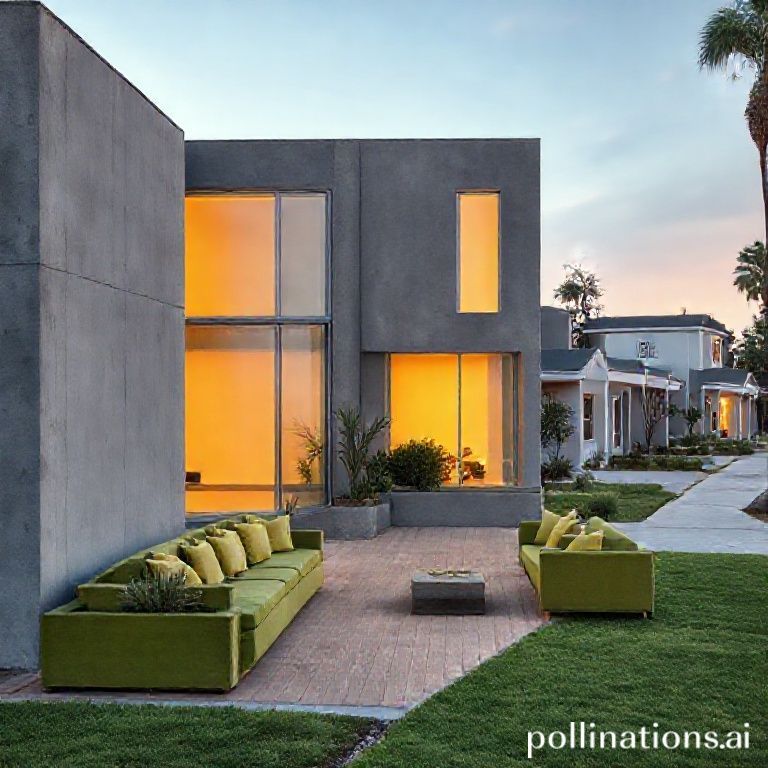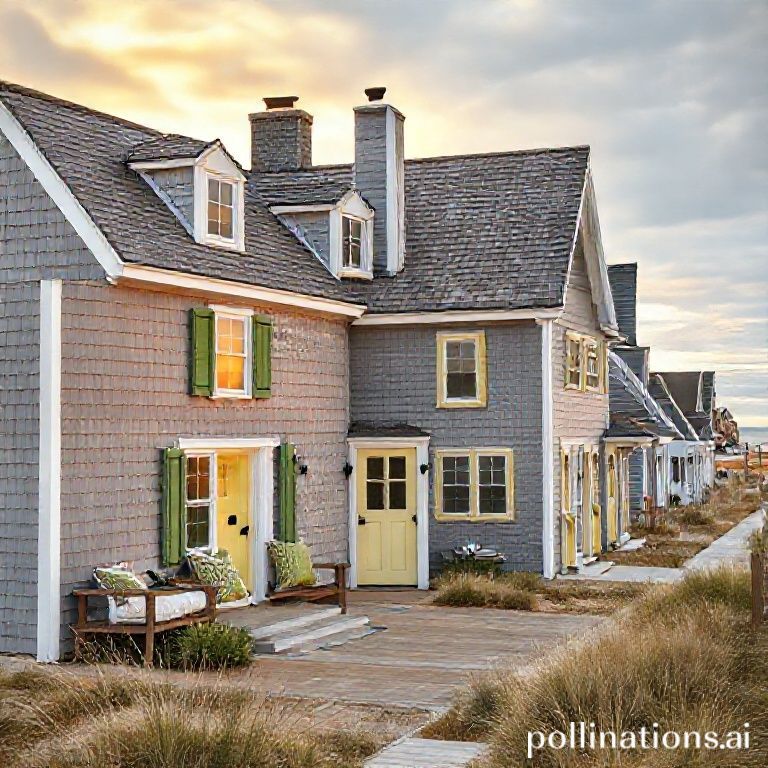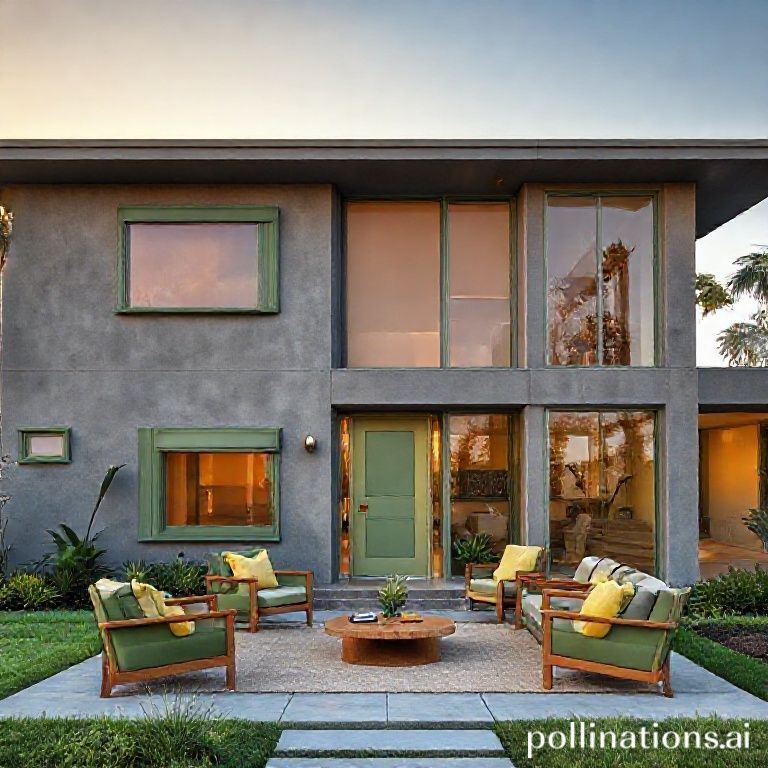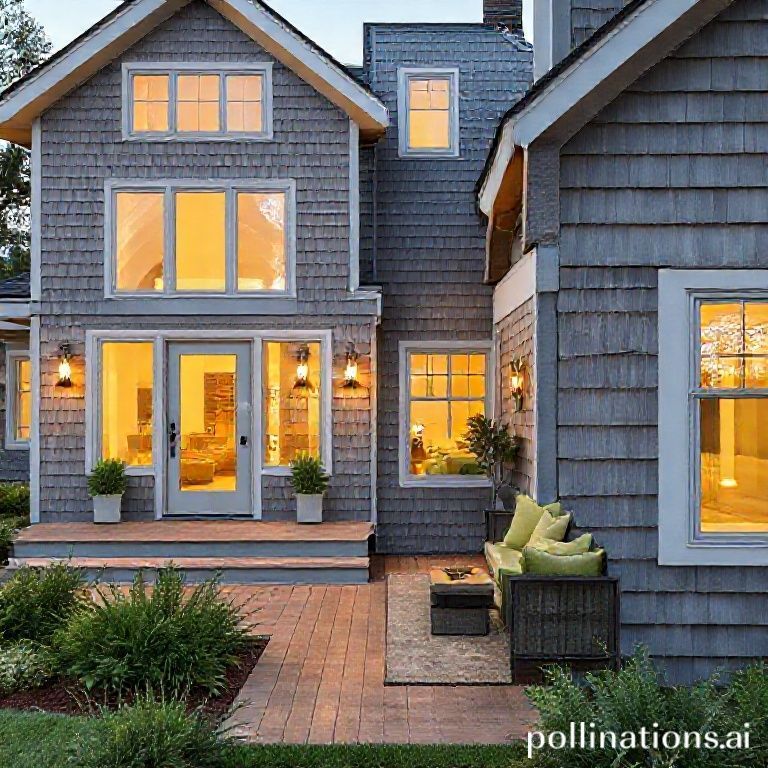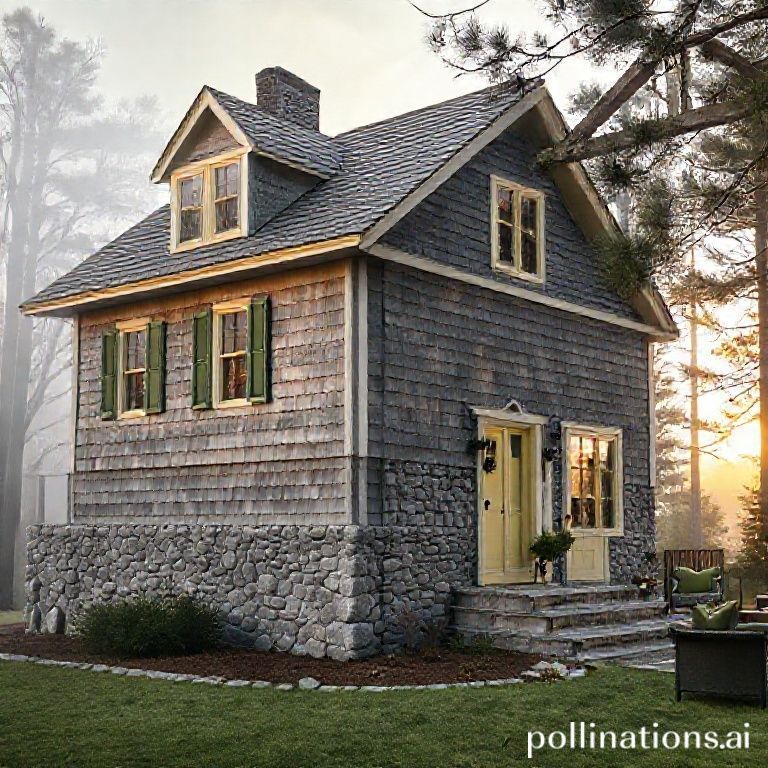
Shingle Style architecture stands out as a unique emblem of American design that emerged in the late 19th century, primarily gaining traction in the New England region. This architectural approach is characterized by a harmonious blend of simplicity and sophistication, marrying the rustic allure of natural materials like wood and stone with the elegance of understated detailing. In a world where ornate decorations often dominate, Shingle Style homes offer a refreshing perspective, emphasizing form, texture, and context over excessive ornamentation.
Historical Significance of Shingle Style Homes
The Shingle Style took root after a pivotal period in American history, when architects sought to distance themselves from the heavily adorned styles that had previously dominated the landscape. Influenced by the Colonial American architecture revival following the 1876 Centennial celebration, this architectural movement began to establish itself through noteworthy firms like McKim, Mead & White and Peabody and Stearns. These firms played a significant role in bringing Shingle Style to upscale seaside cottages in affluent areas such as Newport, Rhode Island, and East Hampton, New York.
One of the most iconic Shingle Style homes is “Kragsyde,” built in 1882 and designed for the Bostonian G. Nixon Black by Peabody and Stearns. Positioned dramatically atop rocky shores in Massachusetts, Kragsyde is often celebrated as a pinnacle of Shingle Style architecture. Another notable creation is the William G. Low House, designed by McKim, Mead & White in 1887, exemplifying the style’s characteristic flowing spaces and cohesive visual presentation.
Distinctive Characteristics of Shingle Style Architecture
Shingle Style homes are immediately identifiable by their unique characteristics that distinguish them from other architectural styles. Here are some of the essential design elements associated with Shingle Style:
- Shingle Cladding: The exterior is typically wrapped in wood shingles, which can vary in size and shape. This natural material allows the structure to blend seamlessly into its surroundings, evoking a sense of continuity between the home and the landscape.
- Complex Rooflines: Gambrel and hip roofs frequently adorn Shingle Style homes, contributing to their impressive massing while emphasizing horizontal lines that guide the eye. This feature enhances the architectural volume and provides a distinctive silhouette against the skyline.
- Open Floor Plans: Unlike more traditional homes which often compartmentalize spaces, Shingle Style homes feature open layouts that facilitate flow and interaction among various living areas. This design ethos aligns with modern living preferences, where flexibility and connectivity are prized.
- Natural Integration: Architects aimed to create homes that felt organically connected to their environments. Shingle Style homes often incorporate extensive porches and large windows, maximizing views and allowing natural light to flood the interior.
Material Choices and Sustainability
The choice of materials plays a significant role in defining the Shingle Style. Wood and stone take center stage, grounding the design in nature and ensuring durability. These natural materials are not only aesthetically pleasing but also echo the growing interest in sustainability among contemporary homeowners. Many current Shingle Style aficionados are opting for reclaimed wood and locally sourced stone to enhance their homes, marrying traditional craftsmanship with modern ecological sensibilities.
Design Insights from Professionals
According to design experts, integrating the Shingle Style into new constructions involves a careful consideration of the surrounding environment. “It’s not just about the house itself, but how it interacts with the land,” says architecture historian Vincent Scully, who extensively analyzed and documented this style in his works. This sentiment resonates with today’s homeowners who desire structures that harmonize with nature.
Pro Tip:
When looking to design or renovate your Shingle Style home, prioritize natural landscaping that reflects the architecture’s organic qualities. Use native plants that require minimal maintenance while providing seasonal color and texture, further enhancing the home’s integration into its environment.
Common Mistakes to Avoid in Shingle Style Design
While the allure of Shingle Style architecture is profound, there are common pitfalls to sidestep when embarking on a new build or restoration project:
- Overly Ornate Details: Avoid the temptation to over-embellish. The beauty of Shingle Style lies in its simplicity—opt instead for understated lines and textures.
- Inconsistent Material Usage: Ensure that your selection of materials is cohesive. Mixing too many styles or materials can detract from the home’s integrated feel.
- Neglecting Contextual Design: Remember to design in harmony with the surrounding homes and landscape. A well-integrated home appreciates the neighborhood ethos and traditions.
Contemporary Applications of Shingle Style
Today, Shingle Style homes are being reimagined, blending traditional aesthetics with modern amenities. Homeowners are increasingly drawn to the elegance and warmth that this style exudes, making it a preferred choice for those seeking both charm and functionality. Additionally, architects are revisiting historical principles of Shingle Style design, adapting them to contemporary preferences for energy efficiency and open living spaces.
Conclusion
The Shingle Style represents not just a historical architectural movement, but a timeless approach to home design that champions simplicity, natural beauty, and connection to the environment. For those who appreciate the serene elegance of Shingle Style homes, the possibilities are endless. Consider exploring this architectural style for your next home project, and discover myriad ways to enhance your living experience.
Interested in more insights on architectural styles? Check out our posts on Traditional homes and the use of wood and stone in contemporary design. Dive into the world of architecture that speaks not only of history but also of art and functionality.