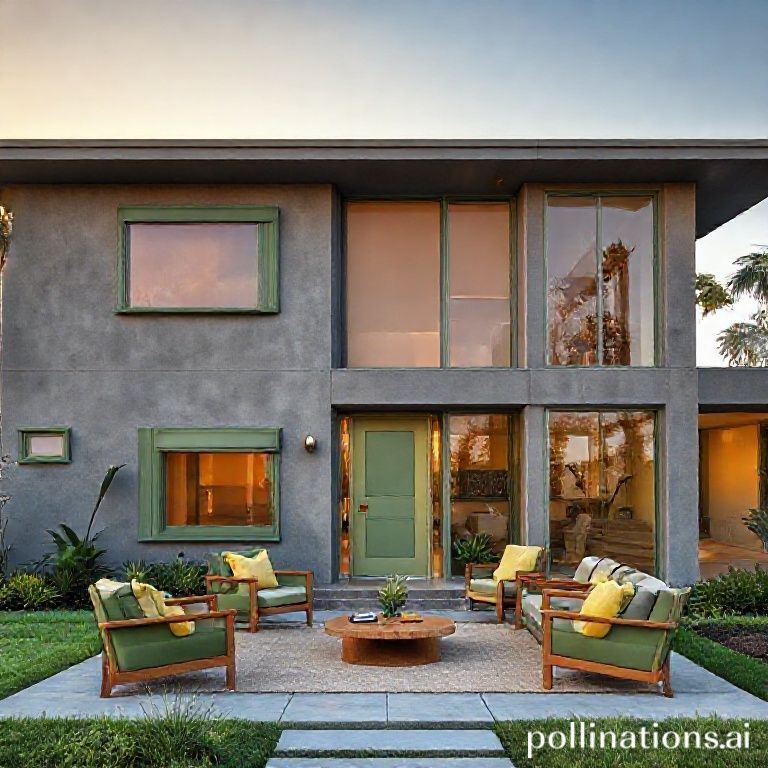
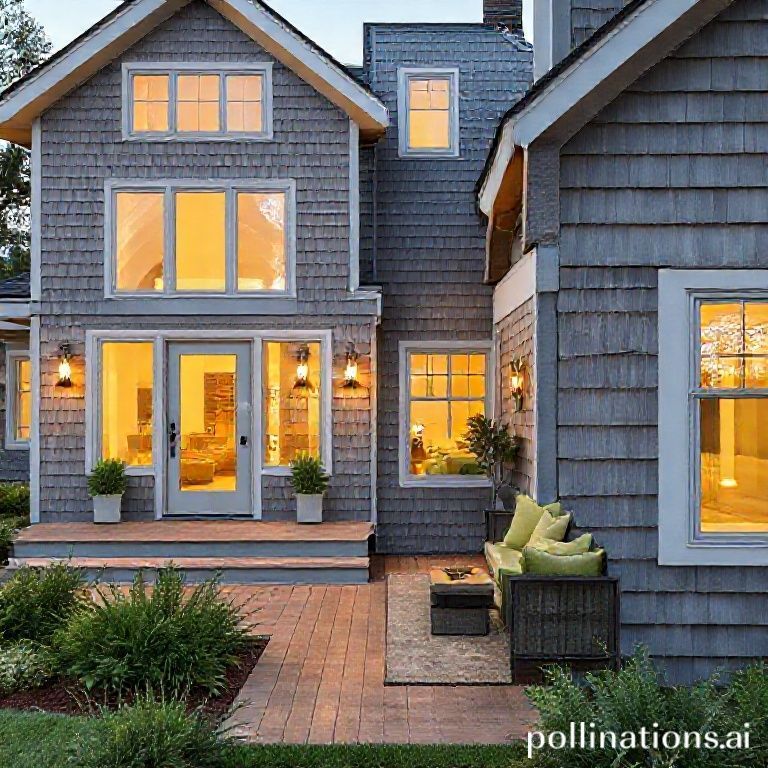
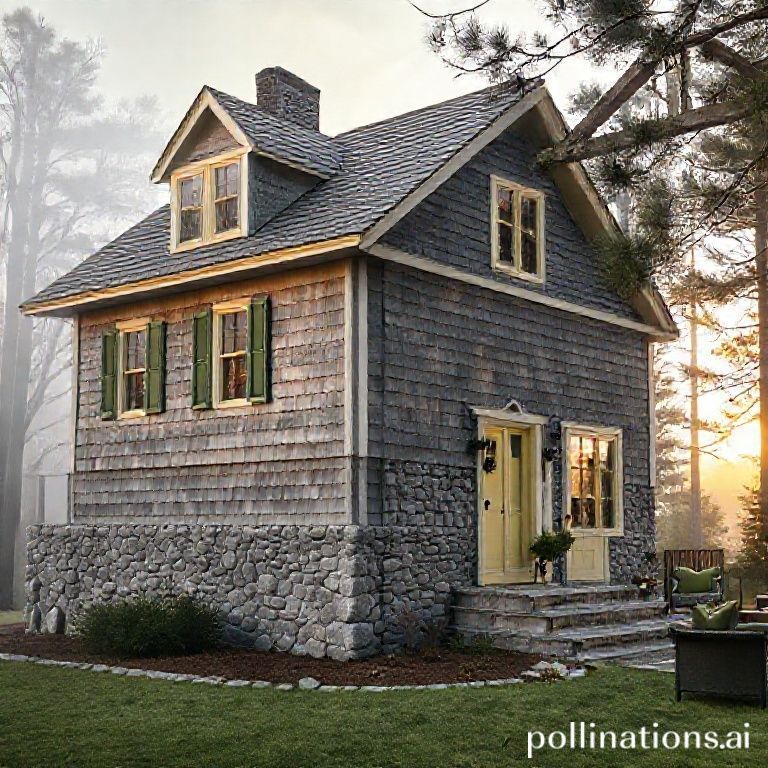
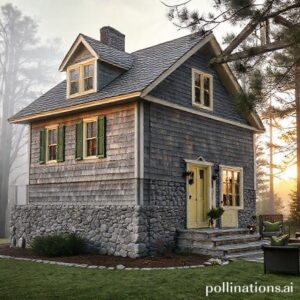
In recent years, the tiny home movement has gained significant traction among homeowners seeking a more sustainable and minimalist lifestyle. These compact dwellings, often exuding charm and warmth, are perfect embodiments of the modern rustic cabin style. Integrating natural materials, energy-efficient designs, and thoughtful architectural elements, tiny homes not only maximize limited space but also offer a unique living experience that celebrates simplicity and nature. In this article, we will explore the characteristics that define rustic cabin-style tiny homes, the benefits of adopting a minimalist lifestyle, and the practical considerations for those looking to embrace this trend in their own backyards.
The Appeal of Tiny Homes
Tiny homes, typically defined as dwellings under 400 square feet, have become a beacon for individuals and families seeking to downsize while still maintaining a high quality of life. This shift towards smaller living spaces is driven by a desire to minimize financial burdens, reduce environmental impact, and reconnect with the essence of home and nature. Advocates of the tiny home lifestyle often cite freedom from consumerism and the opportunity to travel or pursue passions as key motivators for their choice. According to a survey conducted by the Tiny House Association, a significant percentage of tiny home owners report higher levels of satisfaction in their lives compared to traditional homeowners.
Defining Characteristics of Rustic Cabin Style
The rustic cabin style is characterized by its use of natural materials and a design that harmonizes with the surrounding environment. Here are some defining elements:
- Natural Materials: Rustic cabins often incorporate materials such as wood, stone, and metal, emphasizing the beauty of organic textures. Reclaimed wood, in particular, is a popular choice for both structural and aesthetic elements, lending a sense of history and warmth to the space.
- Color Palette: The color schemes of rustic cabins typically feature earthy tones and neutrals that reflect the hues found in nature. Shades of brown, green, beige, and gray create a soothing atmosphere, perfect for relaxation.
- Open Spaces: The interiors of rustic tiny homes emphasize open floor plans, creating a seamless flow between different areas. This layout not only makes the space feel larger but also encourages social interaction among residents.
- Eco-friendly Features: Many modern rustic cabins incorporate sustainable practices, such as solar panels, rainwater harvesting systems, and efficient insulation methods, ensuring a minimal ecological footprint while maximizing comfort.
The Minimalist Lifestyle: Less is More
Choosing a tiny home is often synonymous with embracing a minimalist lifestyle. Minimalism encourages individuals to prioritize experiences over possessions and fosters an appreciation for simplicity. Here are key elements of this philosophy:
Decluttering for Mental Clarity
The process of decluttering is essential for those transitioning to a tiny home. By simplifying one’s belongings, residents can create a serene environment that promotes mental clarity. Design experts suggest starting with categories—clothing, kitchen items, sentimental belongings—and gradually work through each type, deciding what truly serves your life.
Intentional Living and Mindfulness
Living in a smaller space necessitates intentionality in every aspect of life. Each item, each design choice, and each moment spent in the home should align with the residents’ values and desires. This mindfulness can enhance one’s appreciation for daily life, fostering a deeper connection with one’s living environment.
Energy-Efficient Designs for Sustainable Living
Navigating the intersection of comfort and sustainability is one of the hallmarks of the modern rustic cabin style. The architectural design of tiny homes often incorporates various energy-efficient elements that help reduce energy consumption and minimize environmental impacts. Here are some features to consider:
- Solar Energy: Installing solar panels is a common practice among tiny home owners seeking to eliminate reliance on traditional energy sources. This not only reduces utility costs but also allows residents to power their homes sustainably.
- High-quality Insulation: Effective insulation is critical for energy efficiency, especially in smaller spaces. Materials such as spray foam or cellulose insulation can help maintain comfortable temperatures year-round, reducing the need for heating and cooling systems.
- Energy-efficient Appliances: Opting for ENERGY STAR-rated appliances minimizes energy usage while providing functionality. From compact refrigerators to induction cooktops, choosing energy-efficient options can significantly contribute to a sustainable lifestyle.
- Water Conservation: Innovations such as low-flow fixtures and greywater recycling systems ensure responsible water use in tiny homes, aligning with the eco-friendly philosophy of rustic cabin living.
Pro Tips for Designing Your Rustic Tiny Home
To help set up your tiny home in the rustic cabin style, consider these practical tips:
- Utilize Multi-functional Furniture: In small spaces, selecting furniture that serves multiple purposes can save valuable space. For instance, a sofa bed or a coffee table that doubles as storage can help you maintain an organized environment.
- Connect with Nature: Enhance your living experience by maximizing natural light and views. Large windows, skylights, or sliding glass doors can seamlessly integrate indoor and outdoor spaces, promoting well-being and tranquility.
- Incorporate Textural Contrast: Use a combination of textures—smooth metal, rough-hewn wood, soft textiles—to create visual interest in your cabin. This variety can add depth and warmth to your living space.
- Local and Recycled Materials: Sourcing materials locally not only supports sustainability but also helps to create a sense of place, enhancing the connection between your home and its surroundings.
Common Mistakes to Avoid When Creating a Tiny Home
Designing a tiny home requires thoughtful planning. Here are common pitfalls to watch for:
- Underestimating Space Needs: One of the most frequent mistakes is not accurately assessing your storage and space needs. Make a thoughtful inventory of your belongings and plan accordingly.
- Poor Ventilation: Little consideration for airflow can lead to uncomfortable or stale air within the home. Ensure adequate ventilation through windows or mechanical systems to maintain a healthy living environment.
- Neglecting Outdoor Space: Many tiny home owners focus solely on their interiors and forget to utilize outdoor spaces. Balconies, decks, or gardens can expand your living area and enhance your connection with nature.
Conclusion: Embrace the Charm of Modern Rustic Cabins
The exploration of tiny homes, especially within the modern rustic cabin style, reveals an architectural trend that not only meets the needs of sustainable living but also provides an avenue for personal expression and peace. By incorporating natural materials, energy-efficient practices, and minimalist principles, homeowners can cultivate spaces that support their lifestyles while respecting the environment. As more people discover the joys of tiny living, it is clear that the charm of rustic cabin designs will continue to inspire new generations of home dwellers. Are you considering a shift in your living space? Explore more about sustainable materials and designs to transform your home into a sanctuary that reflects your values and style.