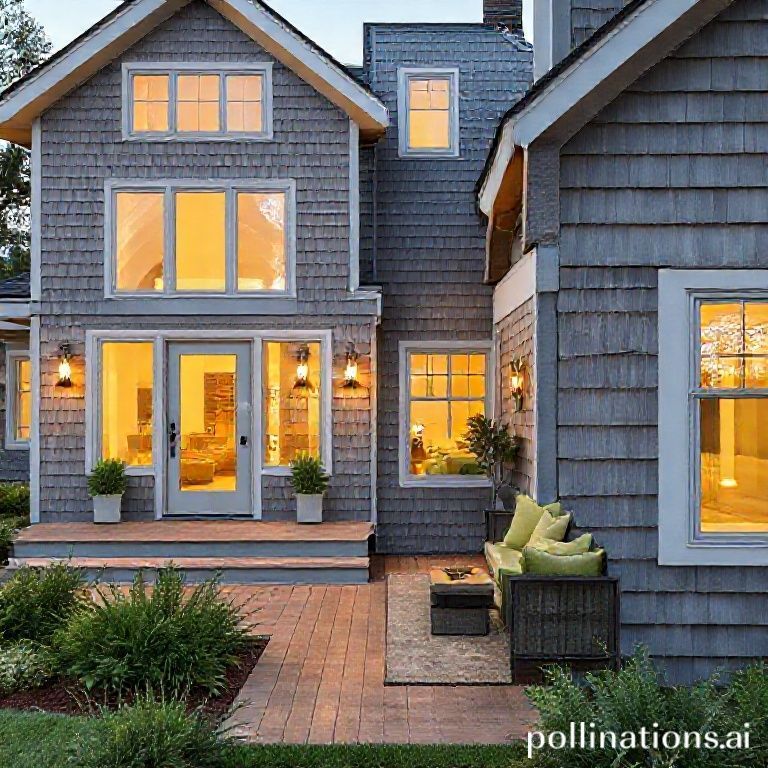
The resurgence of Shingle Style architecture in modern homes reflects a broader cultural yearning for nostalgia and tradition within contemporary design. Emerging prominently in the late 19th century, Shingle Style integrates the simplicity of colonial American forms with a unique aesthetic characterized by the use of continuous wood shingles on exterior walls. In a world increasingly dominated by modernism and minimalism, Shingle Style represents a warm, inviting alternative that many modern homeowners find appealing. This article delves into the distinctive features, historical significance, and current trends associated with the revival of Shingle Style architecture among American homeowners.
The Historical Context of Shingle Style Architecture
Shingle Style architecture originated in the late Victorian era, gaining momentum around the 1870s as a response to the ornate designs prevalent during that time. Influenced by the New England school of architecture, this style is rooted in Colonial American architecture, merging the simplicity of these early homes with a fresh interpretation that emphasizes horizontal lines and continuity of form. Architectural firms like McKim, Mead & White and Peabody and Stearns played critical roles in popularizing this style, erecting substantial seaside cottages in affluent enclaves such as Newport, Rhode Island, and the Hamptons. These structures were designed to blend harmoniously with their surroundings, often reflecting the coastal landscape’s natural beauty.
The most iconic example of Shingle Style architecture is perhaps “Kragsyde,” commissioned by G. Nixon Black in 1882. Nestled on the rocky shores of Massachusetts, this residence embodies all aspects of Shingle Style, from its expansive gable roof to the decorative elements that echo the surrounding environment. Historic districts like the Bay Head Historic District in New Jersey and the Montauk Association Historic District on Long Island feature concentrations of Shingle Style homes, showcasing the elegance and grace of this architectural approach.
Key Characteristics of Shingle Style Architecture
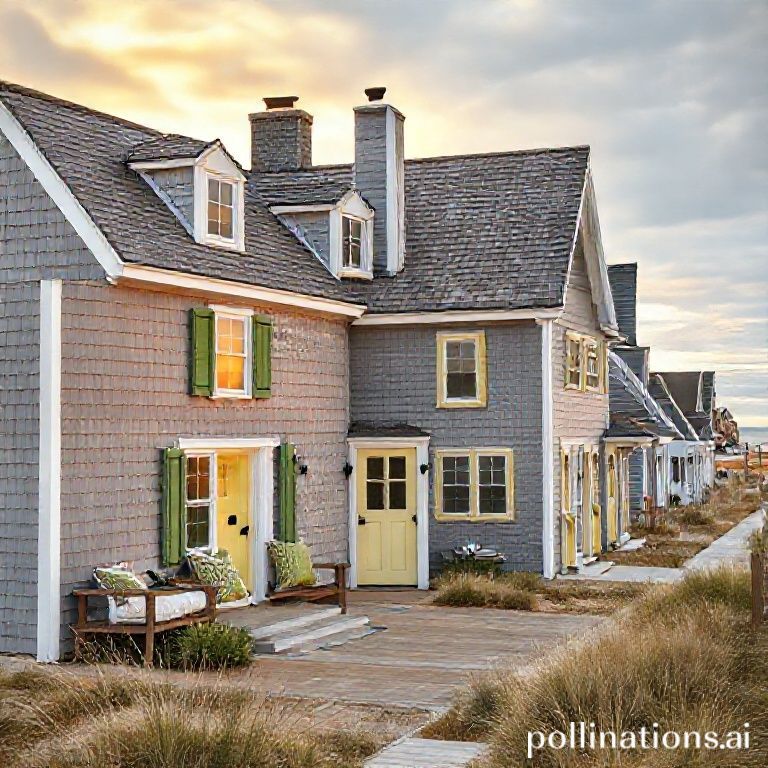
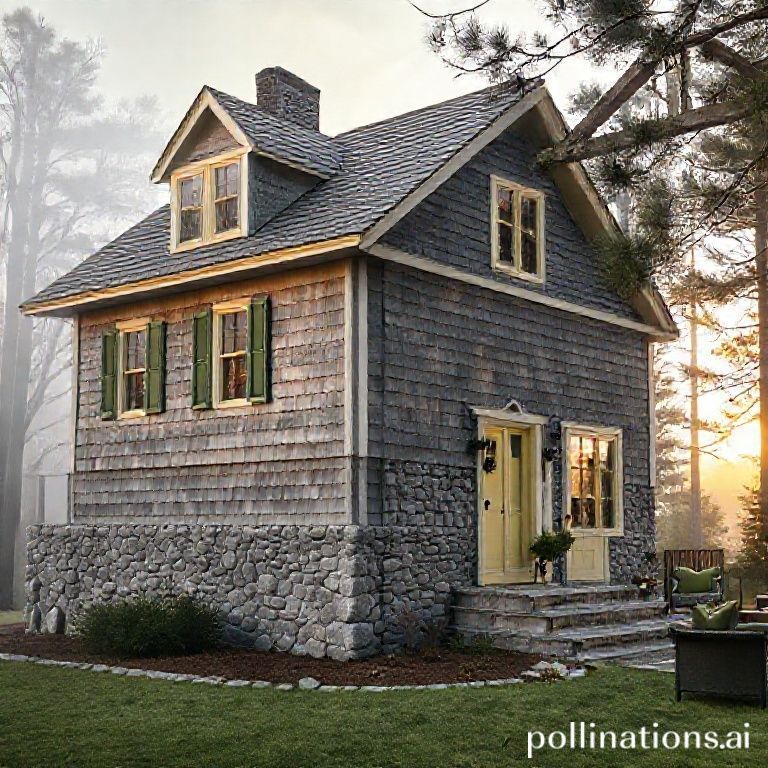
One of the defining features of Shingle Style architecture is its use of shingles. Designed to evoke a sense of unity and continuity, the shingled surfaces create a seamless appearance that distinguishes this style from its contemporaries. The roofs are often steeply pitched, showcasing a gambrel or hip structure that emphasizes a broader, more horizontal profile. The thoughtful use of materials enhances the durability and aesthetic appeal of these homes, often incorporating wood and stone in ways that celebrate their natural attributes.
- Seamless Shingled Facades: Shingles serve as the primary exterior material, often applied to create a continuous surface that enhances the building’s overall massing and architectural flow.
- Complex Roof Lines: Characteristic roof forms, including gambrel and hip styles, provide depth and drama, contributing to the elegance of the design.
- Integration with Nature: The designs often feature large porches and expansive windows that promote openness and a connection to the outdoors.
- Subtle Decoration: Unlike the highly ornamented Victorian styles, Shingle Style favors simpler, organic decorative elements that harmonize with the building’s overall aesthetic.
The Integration of Shingle Style in Modern Home Design
As modern homeowners search for ways to express individuality while remaining attuned to traditional aesthetics, the incorporation of Shingle Style principles into contemporary designs has become increasingly popular. The defining features of this style resonate with many families and singles alike, making it an attractive choice for those who appreciate both comfort and elegance in their living environments.
Current Trends in Shingle Style Homes
Contemporary interpretations of Shingle Style architecture often incorporate sustainable materials, ensuring that these homes not only look great but are also functional and environmentally responsible. The revival of this style aligns seamlessly with current home design trends focusing on sustainability, smart home technology, and livable spaces. Many homeowners are choosing to build or renovate homes that reflect a blend of traditional charm and modern efficiency.
- Sustainability: The use of eco-friendly materials such as reclaimed wood, bamboo, and energy-efficient appliances is on the rise, making Shingle Style homes not only visually appealing but also environmentally responsible.
- Open Floor Plans: Modern Shingle Style homes often feature open layouts that promote interaction and flexibility, accommodating different lifestyles while responding to the needs of families and individuals.
- Smart Technology: Home automation systems are increasingly integrated into Shingle Style designs, allowing for improved energy efficiency and enhanced living experiences.
- Personalized Outdoor Spaces: Porches, decks, and outdoor kitchens are essential elements of modern Shingle Style homes, extending the living space outdoors while fostering a connection with nature.
Designer Insight
Design experts suggest that embracing the Shingle Style architecture’s principles can provide a sense of history and continuity within the context of modern living. By incorporating traditional materials and techniques, homeowners can create a residence that acknowledges the past while providing the comforts of today. The balance between these elements allows for a seamless introduction of Shingle Style into various settings, appealing to diverse homeowner preferences.
Conclusion: Embracing the Revival of Shingle Style Architecture
The revival of Shingle Style architecture serves as a testament to the enduring appeal of this unique design approach. As more homeowners recognize the value of incorporating traditional elements into modern home design, the Shingle Style stands out due to its rich history and aesthetic qualities. Whether you’re a family seeking a welcoming environment or a single professional looking for a stylish abode, Shingle Style architecture offers a flexible solution that marries history with contemporary needs.
As you consider your next home design project, explore the potential of integrating Shingle Style elements. By blending this revered architectural style with modern innovations and sustainable practices, you can create a space that is both timeless and sophisticated. For further inspiration, don’t forget to check out our other articles on architectural styles like Modern and Coastal designs, which complement the warm and inviting nature of Shingle Style homes.