When one thinks of quintessential American architecture, Cape Cod style homes stand out, particularly for their charm and historical significance. With a unique design that perfectly marries functionality with aesthetic appeal, these homes have graced the coastal towns of America since the 17th century. This exploration delves into the distinctive features of Cape Cod architecture, offering insights into its historical background, typical materials used, and the design elements that contribute to its enduring popularity.
The Historical Background of Cape Cod Architecture
Cape Cod architecture originated in New England during the early colonial period, specifically in the 1600s, when settlers sought to create homes that were not only functional but resilient to the harsh coastal weather. The original design was influenced by English cottages, adapted to withstand the heavy snowfall and strong winds prevalent in the region. Its simplicity and practicality reflected a utilitarian approach to homebuilding, a characteristic that many contemporary homeowners still admire today.
As the region grew, particularly in the 18th and 19th centuries, the Cape Cod style evolved. It became a symbol of American ingenuity, embodying the spirit of the early settlers who crafted their homes with limited resources. Today, Cape Cod homes are celebrated not just for their historical significance but also for their durability and timeless design, making them a preferred style in coastal towns across America.
Distinctive Features of Cape Cod Architecture
To truly appreciate Cape Cod architecture, one must understand its key design elements:
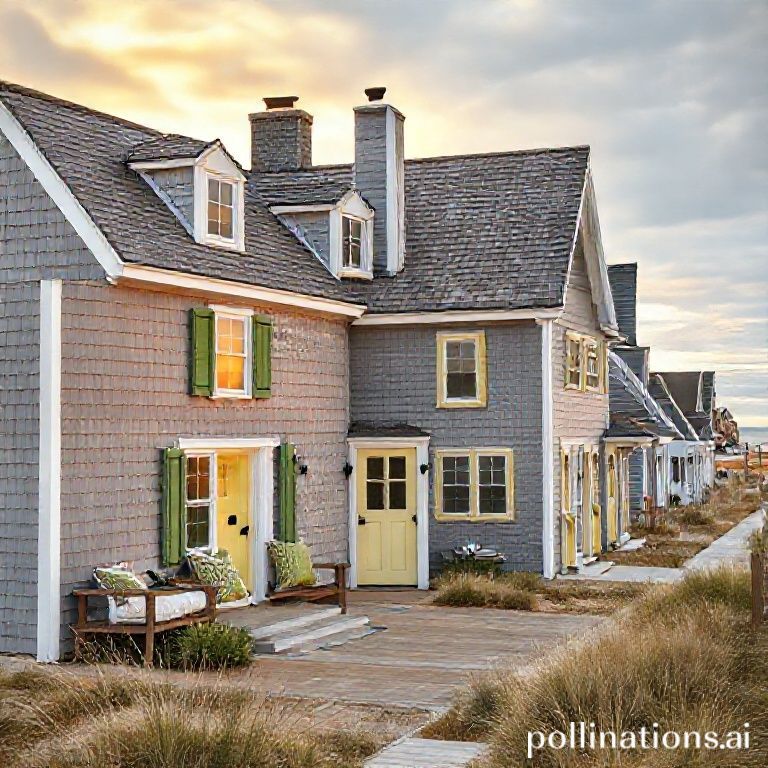
- Symmetrical Design: Most Cape Cod homes feature a symmetrical façade, where doors and windows are evenly spaced, creating a balanced appearance.
- Steep Rooflines: Characterized by their steeply pitched roofs, these homes are designed to shed snow efficiently, preventing heavy build-up during the winter months.
- Minimal Ornamentation: The simplicity is emphasized by the lack of elaborate details, aligning with the minimalist ethos of the original settlers.
- Central Chimney: Historically, many Cape Cod homes include a central chimney, serving as a functional feature for the fireplace and enhancing the home’s aesthetic.
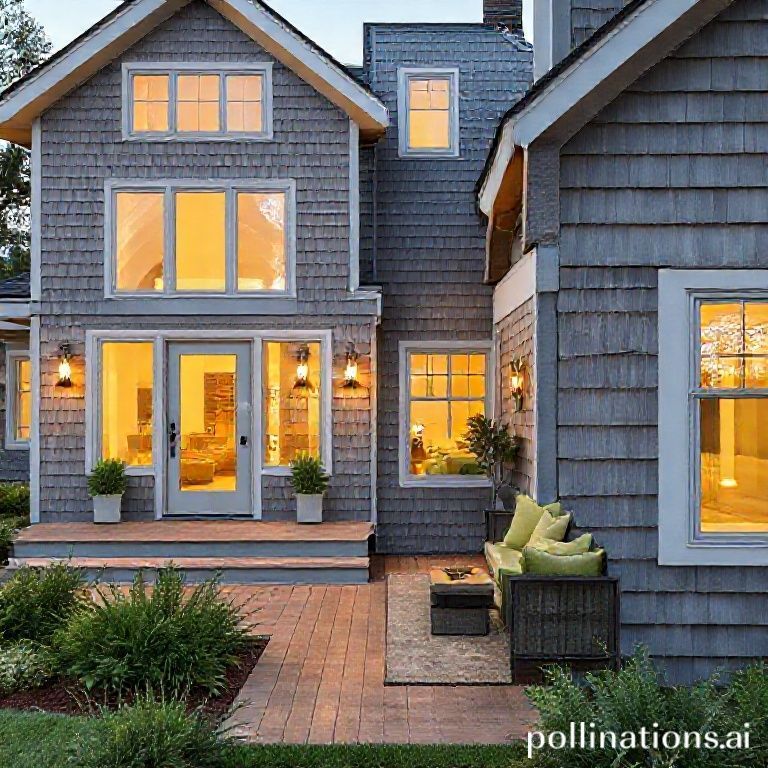
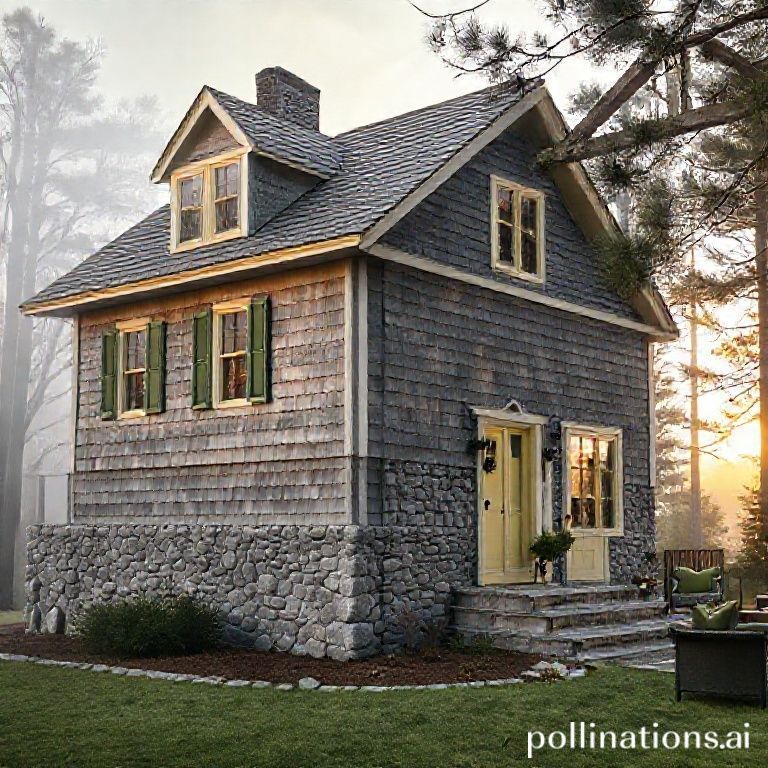
- Wooden Siding: Clapboard siding, typically painted in neutral or earth tones, is a defining characteristic, with white trim adding a crisp contrast.
Pro Tip: Maximizing Curb Appeal
When enhancing the curb appeal of a Cape Cod style home, consider maintaining its classic aesthetic with simple landscaping. Use native plants and understated outdoor furnishings that complement the home’s natural textures.
Materials Commonly Used in Cape Cod Homes
Integral to the enduring design of Cape Cod homes is the strategic use of materials that reflect the coastal environment. Here’s a closer look at the materials commonly seen:
Wood
Wood is the primary building material for Cape Cod homes, favored for its availability and insulation properties. Traditionally, cedar or pine wood was utilized for the exterior clapboards, creating an authentic look while ensuring durability against the elements. The choice of wood not only accentuates the home’s natural appearance but also allows for flexibility in design through its versatility.
Stone
Many Cape Cod homes feature stone elements, often used in the foundation or as part of the chimney structure. Natural stone provides stability and a rustic charm, harmonizing with the coastal landscape. Stonework can also extend to outdoor spaces, creating patios or pathways that enhance the overall aesthetic while promoting sustainability.
Why Cape Cod Homes Remain Popular
In the modern era, Cape Cod style homes continue to captivate many homeowners for several compelling reasons:
- Timeless Appeal: The classic design ensures that these homes remain visually appealing across generations, making them a desirable option for families and individuals alike.
- Energy Efficiency: Many homeowners are choosing Cape Cod homes for their inherent energy efficiency. The steep roofs and compact design minimize energy loss, ideal for both cooling in summer and heating in winter.
- Coastal Living: As coastal lifestyles become increasingly appealing, Cape Cod homes symbolize a serene and simple way of life, offering a retreat close to nature.
- Sustainability: The materials used not only emphasize craftsmanship but promote sustainability. Using wood and stone sourced locally helps reduce the environmental footprint.
Common Mistake to Avoid
A prevalent mistake among homeowners is opting for overly ornate features that stray from the simplicity of Cape Cod design. Maintaining a streamlined aesthetic with natural materials is essential to preserve the integrity of this architectural style.
Integrating Modern Features into Cape Cod Homes
As families and individuals look to modernize their living spaces, many are intrigued by how to incorporate contemporary elements while preserving the traditional charm of their Cape Cod homes. Here are some design tips:
- Open Floor Plans: Modern family dynamics benefit from open concept layouts that encourage interaction and light flow. Retaining elements of Cape Cod architecture can be achieved by using dividing features such as built-in shelving.
- Light and Airy Spaces: Large windows or glass doors can be integrated without compromising the traditional outlook, promoting natural light and a connection to the outdoors.
- Eco-Friendly Innovations: Consider installing solar panels or energy-efficient appliances to modernize the home while maintaining its historical essence.
Conclusion: Embrace the Cape Cod Charm
The intrinsic beauty of Cape Cod architecture lies not only in its aesthetic appeal but also in its rich historical significance and its ability to adapt over time. As more homeowners seek to preserve traditional styles while incorporating modern conveniences, Cape Cod homes serve as the perfect bridge between nostalgic charm and contemporary functionality. Embracing this architectural style means investing in a home that is not only stunning but also reflects a sustainable and enduring way of life. Whether you reside in a bustling urban environment or a serene coastal town, exploring the charm of Cape Cod style homes might just lead you to your dream sanctuary.
For those looking to enhance their home design knowledge further, consider exploring the variety of architectural styles available, from the coastal serenity of Cape Cod to the elegant nuances of traditional designs. With the right information and a thoughtful approach, transforming your living space into a beautiful sanctuary is entirely within reach.