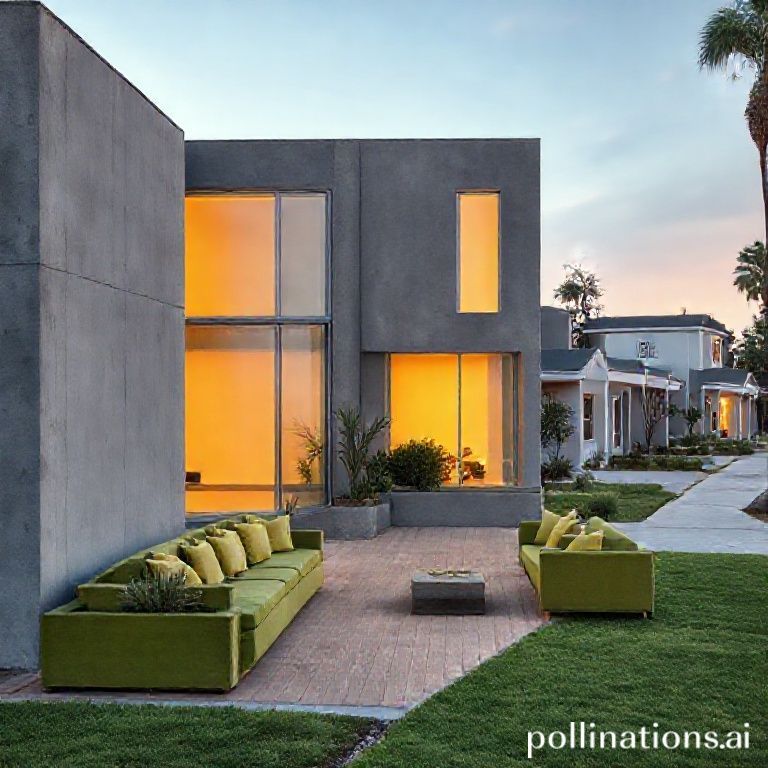
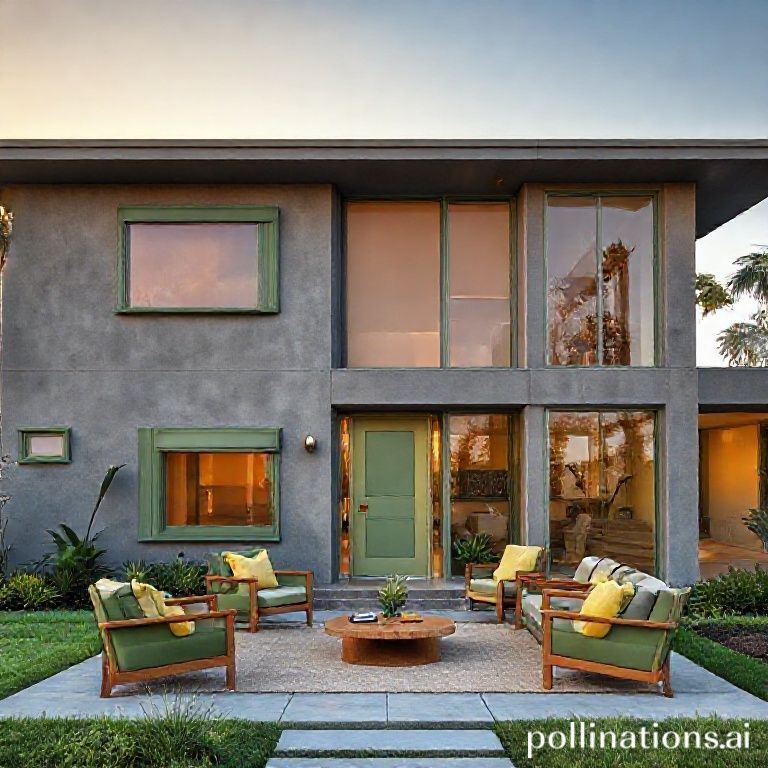
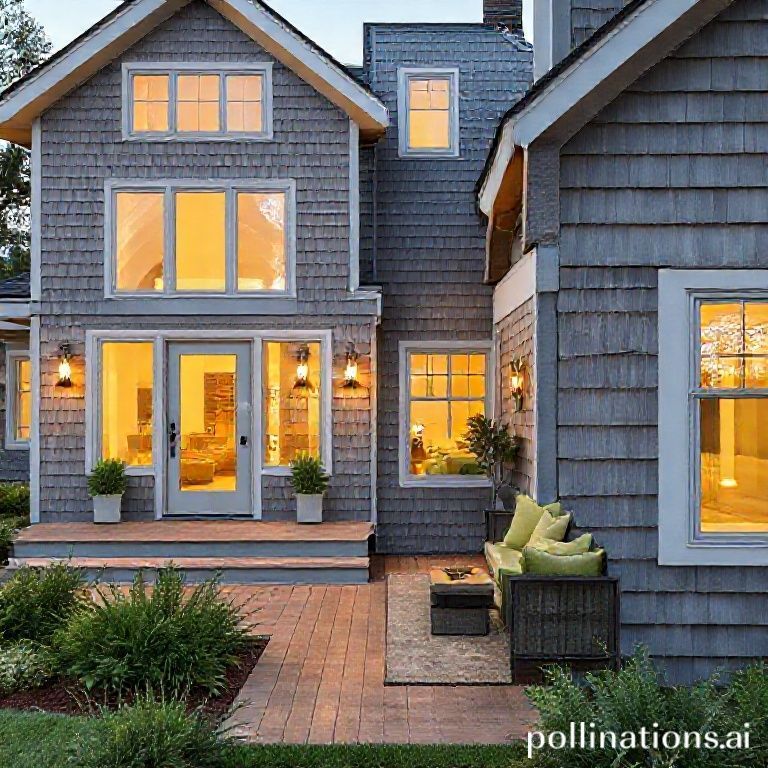
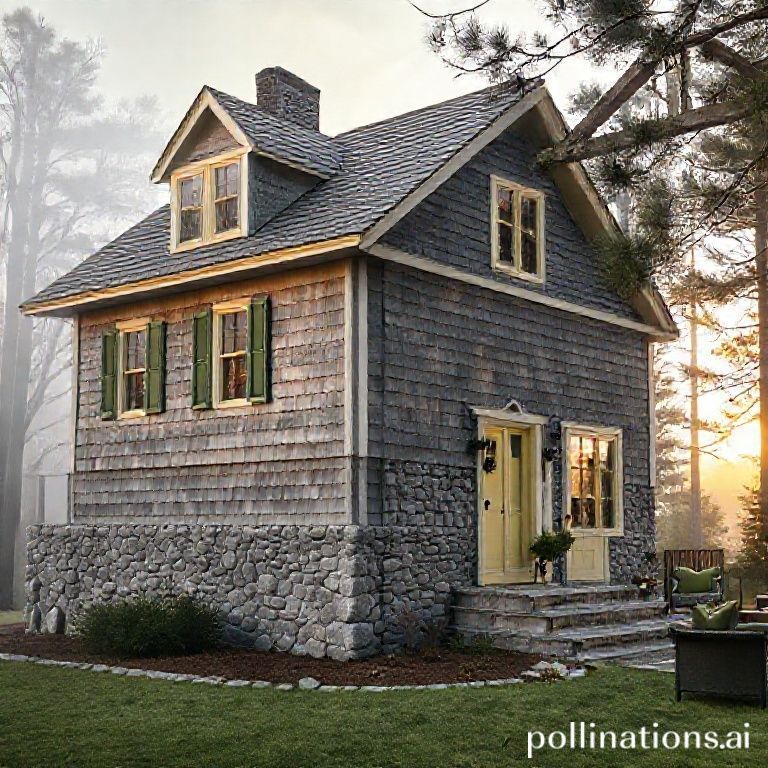
Exploring Prairie Style architecture is not just a journey into an aesthetic movement; it is a significant exploration of American identity as reflected through its unique architectural features. Emerging in the late 19th and early 20th century, particularly prevalent in the Midwest, Prairie Style is notably characterized by its horizontality, integration with the surrounding landscape, and functional design. This distinct architectural style was profoundly popularized by the esteemed architect Frank Lloyd Wright, whose visionary contributions shaped the ethos of this genre.
The Roots of Prairie Style Architecture
The Prairie Style ties closely to the Arts and Crafts Movement, which championed handcrafted workmanship in opposition to the mass production techniques that became the norm in the Industrial Age. Influenced by figures such as William Morris and John Ruskin, the architects of the Prairie School sought to carve an identity for American architecture that moved away from European classical styles. They aimed to develop a distinctly indigenous style that resonated with the natural landscape of the American Midwest, particularly reflecting the vast and flat expanses of the prairie regions.
This architectural approach was solidified during the World’s Columbian Exposition in 1893, where many architects aimed to forge a new narrative that underscored American resilience and ingenuity. Unlike the ornate classical styles on display, Prairie Style emphasized simplicity, harmony with nature, and a deep respect for materials, which led to the creation of structures that felt like they belonged to the earth.
Defining Characteristics of Prairie Style
- Horizontal Lines: One of the most defining features of Prairie architecture is its emphasis on horizontal lines. This design principle not only mirrors the expansive landscape but also evokes a sense of openness and tranquility. Roofs are often low and flat or hipped, with wide overhanging eaves that extend outwards, providing a sense of shelter and connection to the earth.
- Integration with the Landscape: Prairie Style homes are designed to blend seamlessly with their surroundings. Large windows are often arranged in horizontal bands, inviting natural light and providing expansive views of the landscape. This integration extends to the use of local materials, which not only enhances the connection with the site but also imbues the buildings with a sense of authenticity and a tactile connection to the earth.
- Simplicity and Craftsmanship: The design aesthetic of Prairie Style places a premium on craftsmanship and simplicity. Ornamentation is often minimalistic, focusing instead on the beauty of natural materials like wood, stone, and glass. The use of these materials, coupled with thoughtful design, creates a warm and inviting atmosphere that reflects the spirit of the home.
- Functional Spaces: Prairie homes often feature open floor plans that promote flow and flexibility. Multi-purpose furniture and rooms cater to modern family lifestyles, facilitating gatherings and community while ensuring functionality. This ergonomic approach complements the overarching theme of sustainability that is increasingly popular in housing design today.
Materials Used in Prairie Style Architecture
Wood, stone, and glass are foundational materials in Prairie Style architecture, each playing a critical role in the aesthetic and functional aspects of these homes. Wood is often used extensively in both the structural and decorative elements, while stone provides a grounding effect, suggesting permanence and sturdiness. Glass, particularly in the form of stained and art glass, is frequently used in windows and doors, creating a play of light that can transform interior spaces while allowing residents to feel connected to the external environment.
The Frank Lloyd Wright Influence
Frank Lloyd Wright remains the most iconic figure associated with Prairie Style architecture. His philosophy of “organic architecture” emphasized that a building should harmonize with its environment, standing as a testament to natural beauty and practicality. Wright’s designs incorporated natural materials and displayed a keen sensitivity to the site’s unique landscape. He famously stated that a house should appear as if it is “married to the ground,” signifying a profound respect for the interplay between built structures and the natural world.
Wright’s impact is evident in notable examples such as the Robie House in Chicago and the Winslow House in River Forest, Illinois, both of which showcase the typical features of Prairie Style. These homes exude a sense of openness through their horizontal lines and expansive windows while utilizing innovative spatial arrangements that prioritize comfort and function.
Sustainability and Modern Prairie Style Design
With the renewed focus on sustainable living, Prairie Style architecture continues to influence modern design approaches. Contemporary architects draw inspiration from its principles of ecological sensitivity and human-scale design. Many modern Prairie homes incorporate green technology, utilizing energy-efficient materials and sustainable practices that align with the original ethos of belonging to the landscape.
Sustainable homes today also emphasize multi-purpose furniture and space to accommodate changing family needs, much like the Prairie homes of the past. This forward-thinking approach to design mirrors the Prairie School’s commitment to crafting spaces that are not only visually appealing but also functional and mindful of the environment.
Common Mistakes to Avoid in Prairie Style Design
- Disregarding the Landscape: One common mistake is to ignore the natural landscape when designing a Prairie-style home. It’s crucial to consider the topography, vegetation, and climate to ensure that the home integrates well with its environment.
- Overly Ornate Detailing: Adhering too closely to extravagant detailing can detract from the simplicity that defines Prairie Style. The key to this aesthetic is restraint in ornamentation, allowing the materials and form to shine.
- Neglecting Sustainability: In today’s context, failing to incorporate sustainable practices can undermine the original design principles of Prairie architecture, which emphasized harmony with nature.
Conclusion
In summary, Prairie Style architecture represents a landmark movement within American architectural history, characterized by its horizontal lines, functional design, and seamless integration with the natural landscape. The teachings of Frank Lloyd Wright have left an indelible mark on the field, inspiring generations of architects to create spaces that nurture both beauty and harmony with nature. As we navigate the modern era, the principles established by the Prairie School remain relevant, guiding us toward a more sustainable and interconnected way of living.
For those interested in further exploring styles reminiscent of Prairie architecture, consider diving into the Mid-Century and Traditional styles on our blog. Each offers unique elements that embrace nature while catering to contemporary family dynamics.