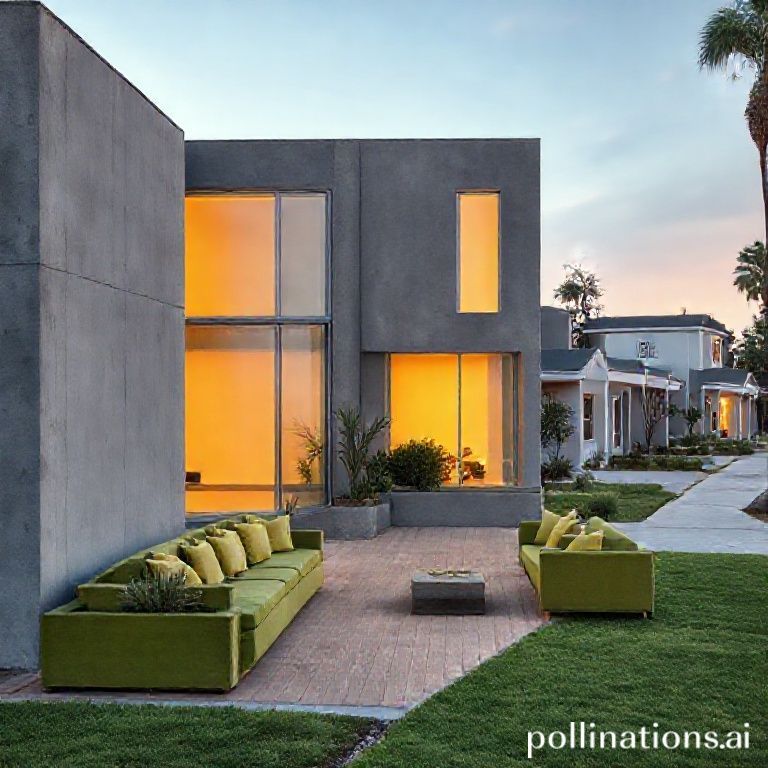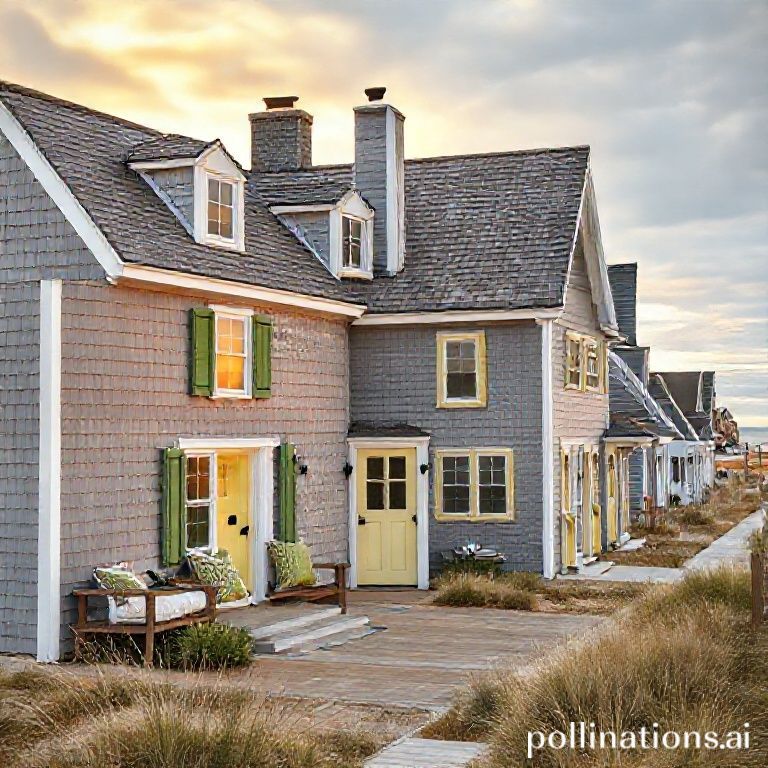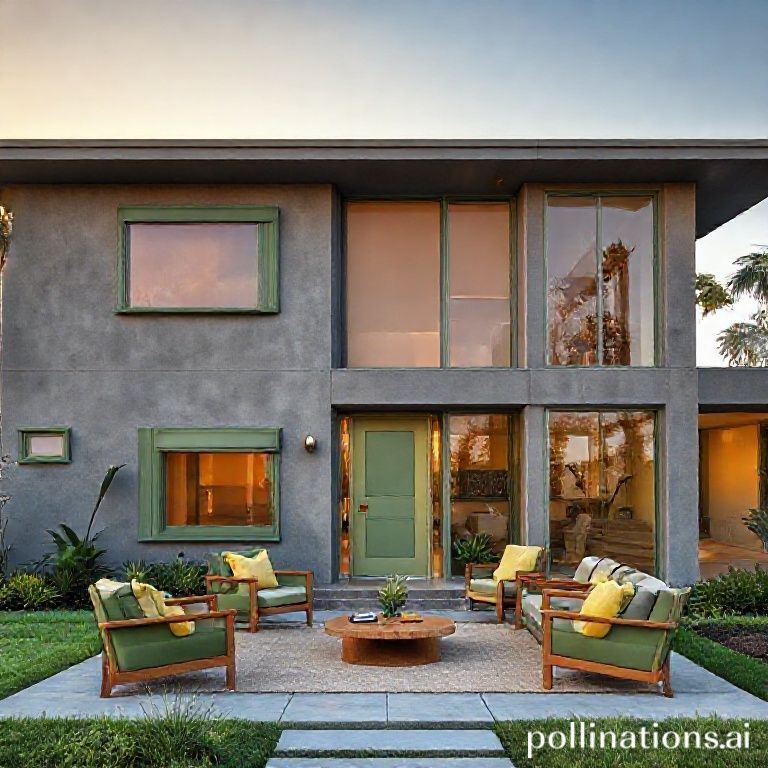
Brutalist architecture, a term coined from the French word “beton brut” meaning “raw concrete,” has seen a remarkable revival in recent years. Originally emerging in the mid-20th century, this architectural style is characterized by bold, geometric forms, an emphasis on materials, particularly concrete, and a functional approach to design. Despite its controversial reputation, which oscillates between admiration and disdain, the resurgence of Brutalism in urban settings signals a deeper cultural and aesthetic re-evaluation of this once-maligned style. In this article, we will explore the intricacies of this architectural revival, examining how contemporary architects and urban planners are reinterpreting and revitalizing Brutalism to meet modern needs while honoring its historical significance.
The Historical Context of Brutalist Architecture
To understand the resurgence of Brutalism, it’s essential to delve into its historical roots. Post World War II, there was an urgent need for low-cost, durable housing and public buildings. Architects like Le Corbusier, whose designs exemplified the functionalist ideals of the time, paved the way for Brutalism. This architectural style flourished in the 1950s and 60s, particularly within institutional buildings such as universities and government structures, reflecting a collective optimism for a new societal order.
Brutalism’s hallmark is its unapologetic use of raw concrete, often left unfinished, which creates a rugged aesthetic that many find hauntingly beautiful. Notable examples include the Boston City Hall and the National Theatre in London, both of which showcase monumental façades and striking geometric compositions. However, as architectural tastes shifted in the late 20th century toward more ornamental styles, many Brutalist buildings faced neglect or demolition. Today, the revival of this style represents a compelling dialogue between tradition and innovation.
What Spurred the Recent Revival of Brutalism?
Several factors have contributed to the renewed interest in Brutalist architecture, particularly in urban settings. Firstly, the growing trend toward sustainability and eco-conscious design has motivated architects to rethink concrete, a material often criticized for its environmental impact. However, advances in concrete technology and a growing devotion to sustainable practices have rendered contemporary concrete more adaptable for eco-friendly designs.
Secondly, urban landscapes are evolving, with cities embracing diversity in architectural expressions. As urban planners focus on creating places that reflect cultural identities, Brutalism offers a powerful tool for instilling a sense of place. The bold and raw aesthetic of Brutalist buildings can convey a strong narrative, often celebrating the rich histories of their locales. This enticing mix of history and modernity appeals to both residents and visitors, prompting many municipalities to preserve and adapt already established Brutalist structures.
Moreover, artistic movements such as minimalism and urbanism have influenced designers to reconsider the aesthetic value of raw materials and simplified forms that Brutalism celebrates. As people increasingly seek authenticity in their surroundings, the rawness of Brutalist architecture provides a counter-narrative to the more polished, commercialized versions of modern architecture.
Modern Interpretations of Brutalist Principles
Today, architects are reimagining Brutalist principles through the lens of contemporary design. The modern reinterpretations often integrate innovative materials and technologies that push the boundaries of traditional Brutalism. For instance, wood-concrete hybrid systems have been developed to combine the aesthetics of concrete with the warmth of wood, catering to both sustainability and design sensibilities. This fusion allows modern architects to create structures that honor the spirit of Brutalism while softening its harshness, making it more appealing to a wider audience.
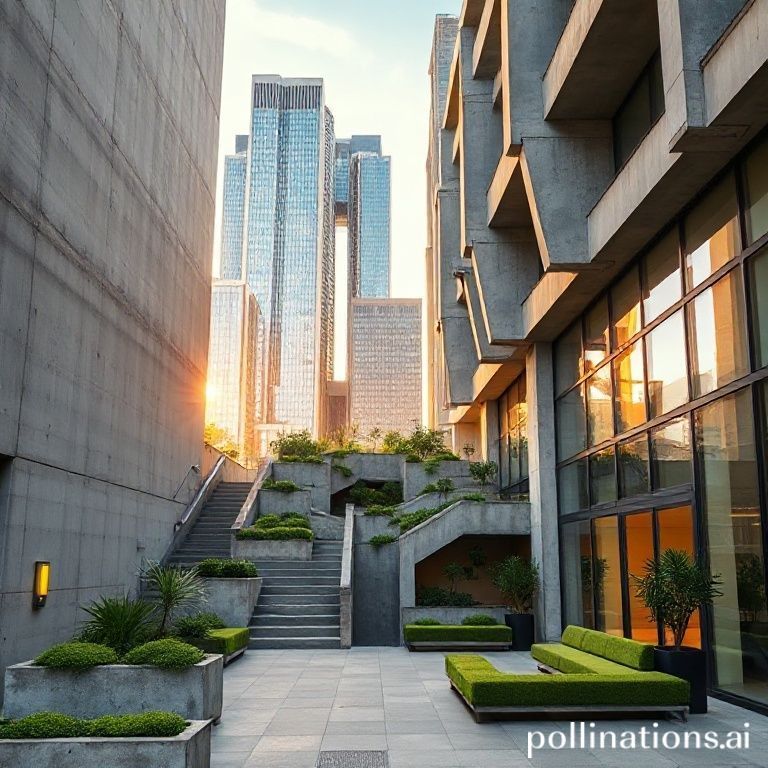
Additionally, architects are emphasizing more inclusive designs by incorporating green spaces and communal areas into their projects. The use of landscaping and biophilic design, which connects people with nature, can transform the austere nature of Brutalist buildings into inviting environments that foster community interaction. Urban parks integrated alongside concrete structures highlight a deliberate effort to balance the rigidity of Brutalism with the fluidity of contemporary social dynamics.
Case Studies: Successful Brutalist Revivals
Several cities across the United States are undertaking projects that exemplify the successful revival of Brutalist architecture, focusing on preserving its historical significance while adapting it for modern use.
- Washington D.C.: The Hirshhorn Museum and Sculpture Garden, an iconic Brutalist structure, has recently undergone renovations to enhance its visitor experience while maintaining its architectural integrity. The intervention emphasizes accessibility and engagement with the surrounding landscape, showcasing how Brutalism can adapt to contemporary needs.
- Los Angeles: The Los Angeles County Art Museum (LACMA) has plans to renovate its Brutalist structures, aiming to create a more cohesive and vibrant cultural hub. By integrating new technologies and improved visitor pathways, LACMA is ensuring that its Brutalist heritage remains relevant in a rapidly evolving urban fabric.
- Boston: Boston’s City Hall is an example of a building that has sparked debate over its Brutalist aesthetics. Advocates for the preservation of this landmark argue that its bold geometry and unique design language reflect the city’s identity. Recent discussions around upgrading its public spaces and improving accessibility exhibit a thoughtful approach to enhancing its presence in the community.
The Role of Urban Planning in Supporting Brutalist Revival
Urban planning plays a vital role in the resurgence of Brutalist architecture within modern cities. Planners are increasingly recognizing the importance of promoting diverse architectural styles, thus advocating for policies that protect and celebrate Brutalist buildings rather than allowing them to be demolished in favor of more conventional designs.
This shift requires thorough assessments of the sociocultural significance of existing structures, particularly in rapidly gentrifying areas. Many urban planners encourage community involvement in these discussions, recognizing that the passion and investment of local residents can lead to meaningful preservation efforts.
Moreover, contemporary urban policies often intertwine public art, community spaces, and Brutalist landmarks to create neighborhoods that reflect a rich historical narrative. The integration of public spaces within the local context has prompted interest from both developers and residents, fostering a sense of pride in shared architectural heritage.
Pro Tips for Embracing Brutalist Aesthetics in Home Design
- Focus on Materials: Utilize raw materials such as concrete, metal, and stone. Incorporate them in their natural forms to echo Brutalist architecture while maintaining a warm, inviting ambiance.
- Play with Geometry: Experiment with bold, geometric forms and asymmetry in layouts. This can be achieved through furniture choices, decorative elements, and wall treatments.
- Incorporate Open Spaces: Emphasize the flow of space by designing open floor plans that use partitioning wisely to create functionality without sacrificing openness.
- Add Natural Elements: Blend indoor and outdoor spaces with greenery. Plant life helps to soften the hard lines of Brutist design, creating a more inviting atmosphere.
Common Mistakes to Avoid When Adapting Brutalist Design
While embracing Brutalist architecture can offer many benefits, it is vital to avoid common pitfalls in the design process:
- Overlooking the Context: Always consider the context of your surroundings. Brutalist structures must exist in harmony with their environment to maintain their relevancy, so avoid designing in isolation.
- Neglecting Human Scale: Despite Brutalism’s bold nature, it’s essential to incorporate a sense of human scale through thoughtful landscaping, furnishings, and materials that engage people.
- Focusing Solely on Aesthetics: Remember that functionality is paramount. Ensure that the design meets the needs of its users while still adhering to Brutalist principles.
The Future of Brutalist Architecture
The revival of Brutalist architecture showcases the adaptability of design principles to meet the needs of contemporary society. As cities evolve and redefine their identities, the dialogue between historical and modern architecture will continue to shape urban landscapes. A future where Brutalism coexists with new architectural innovations symbolizes a broader cultural reconciliation with past aesthetics and a reimagining of public spaces.
In conclusion, the resurgence of Brutalism in urban settings is more than just a fleeting trend; it is indicative of a significant cultural shift towards embracing autonomy and authenticity in design. As architects and urban planners navigate the intricacies of this revival, they must remain anchored in the history and emotion that Brutalist buildings evoke, ensuring that their relevance continues to resonate within the community. For readers interested in further exploring architectural styles, consider delving into our articles on the Industrial, Modern, and Contemporary styles, showcasing how distinct elements can harmonize to create a cohesive and compelling living space.