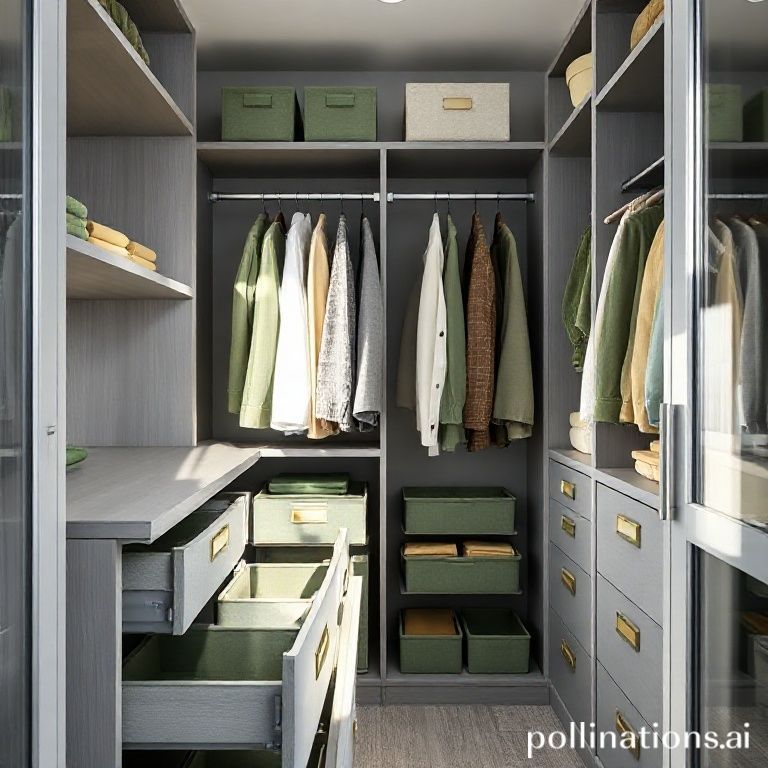
Organizing seasonal clothing can often feel like a daunting task, especially in today’s fast-paced lifestyle where minimalism and smart living spaces are gaining traction. With changing weather patterns and personal wardrobes evolving, creating a seamless closet organization system becomes essential. This post provides five creative methods for organizing seasonal clothing efficiently, ensuring that your space remains functional and aesthetically pleasing throughout the year.
1. Utilize Vertical Space with Tiered Hanging Systems
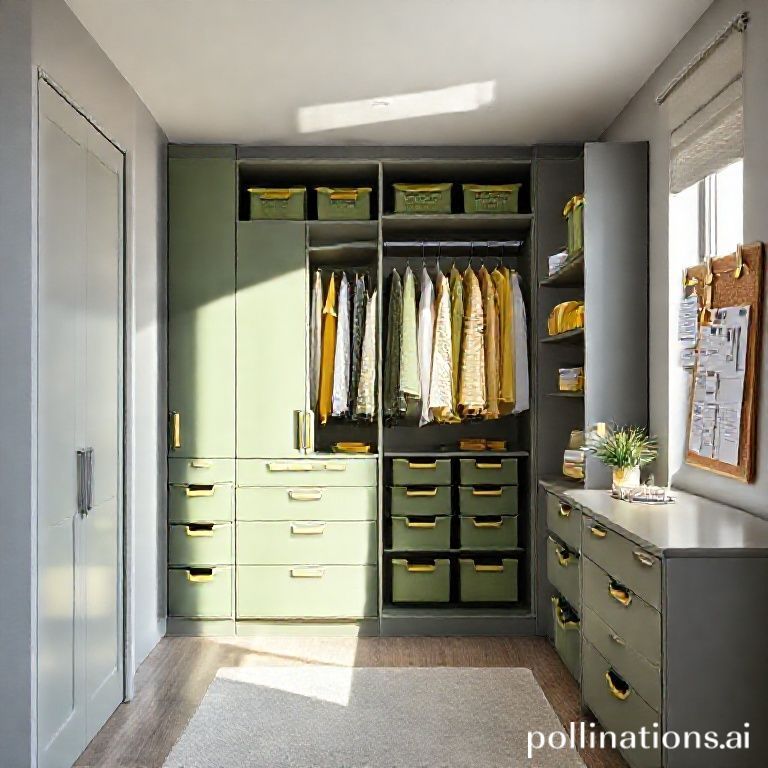
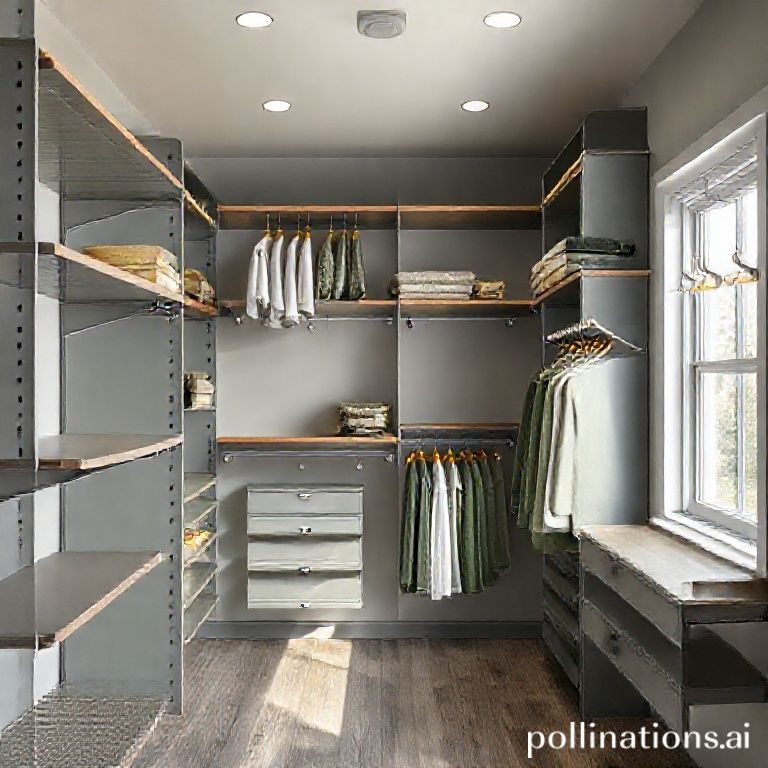
One of the most effective ways to maximize closet space, especially in smaller environments, is by employing tiered hanging systems. These systems allow you to use the vertical space in your closet effectively, allowing for the segregation of seasonal clothing items. For instance, placing summer dresses on the top tier and winter coats on the bottom tier not only enhances visibility but facilitates easy access.
Designer Insight: According to home organization specialists, tiered systems can increase clothing visibility by up to 60%, reducing the time spent searching for specific garments. By grouping items by season and style, you can also ensure that your closet maintains a clean and organized look.
Pro Tips:
- Choose adjustable tiered hangers to accommodate various fabric types and density.
- Color-code each tier by season to create a visually stimulating organization method.
- Install a small lamp or LED strip to illuminate your closet, making it easier to locate your seasonal wardrobe.
2. Seasonal Storage Bins
Investing in quality storage bins is another excellent solution for organizing your seasonal clothing. These bins can be crafted from durable materials such as wood or high-grade fabric, aligning with both aesthetic principles and practicality. Labeling bins by season ensures you can pull out the exact clothes you need without rummaging through your entire wardrobe.
Common Mistake to Avoid: Many homeowners underestimate the importance of transparent bins. Using clear storage allows you to see contents at a glance, saving time and reducing the likelihood of buying duplicates.
How to Organize Your Bins:
- Segment bins into categories: casual, formal, and outerwear for simplified access.
- Avoid overstuffing bins to minimize wrinkles or damage to delicate fabrics.
- Store bins on shelves or in upper closet corners to liberate floor space.
3. Rotating Seasonal Clothing
Another effective strategy is to rotate your clothing. At the beginning of each season, transfer the current season’s clothing to the most accessible section of your closet while placing last season’s items in a less accessible area. This practice promotes a systematic approach to clothing management and helps prevent items from getting forgotten amidst a cluttered closet backdrop.
Design experts suggest utilizing this method not just for organization, but as a chance to reevaluate your wardrobe and identify items that may no longer suit your style or fit your current lifestyle.
Key Considerations:
- Consider size and fit; make sure you donate or discard items that no longer serve a purpose.
- Set aside time each season to do this; an organized closet sets a positive tone for the season ahead.
- Consider incorporating a rotation schedule that aligns with your local climate changes to maintain relevancy.
4. Multi-Purpose Furniture
Incorporating multi-purpose furniture within your closet can enhance functionality while maximizing space. Consider investing in an ottoman or bench with built-in storage to provide a dual-purpose solution. This not only serves as a seating area but also doubles as a space to store off-season shoes or accessories, thus keeping them conveniently nearby yet out of sight.
As various households experiment with smaller living spaces, the use of multi-functional pieces is becoming a popular trend in contemporary closet design.
Pro Tips for Implementing Multi-Purpose Solutions:
- Choose furniture that complements your overall closet design to maintain a cohesive aesthetic.
- Utilize fabric bins within furniture for enhanced organizational options.
- Incorporate mirrors to enhance the space visually, creating an illusion of a larger area.
5. Creative Use of Accessories
Accessories play a crucial role in closet organization. Opt for stylish hooks or racks to display scarves, belts, and hats, ensuring these items are both visible and easily accessible. This not only helps in maintaining order but also allows you to utilize every nook and cranny of your closet.
For example, a beautiful coat rack can not only hold jackets but can also serve as an eye-catching display piece. Many homeowners are choosing to blend organization with creativity by selecting accessories that display aesthetic opportunities while serving a practical function.
Accessorizing Tips:
- Invest in decorative boxes or baskets that can blend seamlessly with your closet’s color scheme, providing visual appeal.
- Use cascading hooks for necklaces and other jewelry to prevent tangling.
- Employ vertical space; consider placing small shelves or racks high up on the wall for storing lesser-used items.
Conclusion
In summary, effective closet organization for seasonal clothing is not just about stowing away items but creating a system that enriches your daily routine. By utilizing tiered hanging systems, investing in versatile storage solutions, rotating your wardrobe seasonally, and incorporating multi-purpose furniture, you can develop an aesthetically pleasing and functional closet space. Seasonal organization techniques not only optimize space but can lead to a more enjoyable experience when selecting clothing—ensuring easy access to your favorite pieces throughout the year.
To continue enhancing your home organization, consider exploring our articles on modern storage solutions and contemporary design tips. Maintaining order in your living space is key not only for aesthetics but for overall well-being.