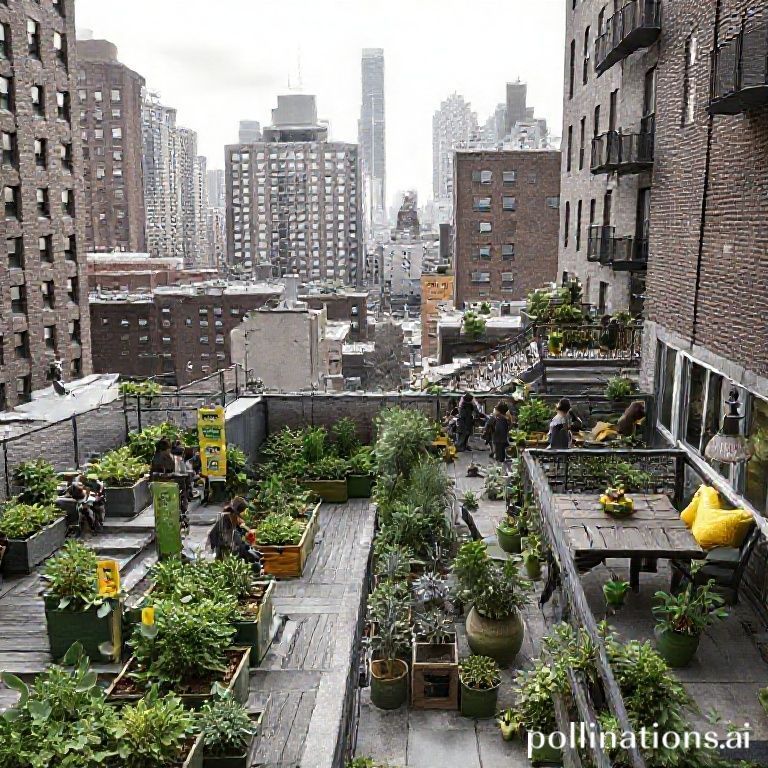
Urban gardening is more than just a trend; it’s a cultural movement that is redefining community engagement, sustainability, and food culture across American cities. As we enter 2025, the resurgence of urban gardening initiatives reflects a profound shift in society’s relationship with food, space, and the environment. This article will explore how urban gardening fosters stronger community ties, promotes sustainable practices, and significantly influences local food cultures, highlighting notable projects, success stories, and personal narratives that exemplify this cultural evolution.
The Rise of Urban Gardening
Urban gardening, often referred to as urban agriculture, encompasses various practices that involve cultivating, processing, and distributing food in urban areas. Its history dates back thousands of years, from ancient civilizations that set aside plots within cities for cultivation to modern urban farms sprouting up on rooftops and vacant lots. The recent revival of urban gardening can be attributed to several factors, including a growing awareness of food sovereignty, environmental sustainability, and a desire for community building.
A Historical Perspective
The concept of growing food within city limits is not a new phenomenon. As early as 3,500 BC, Mesopotamian societies cultivated crops in urban settings. Fast forward to the late 1800s, when European cities adopted allotment gardens to support the urban poor and provide fresh produce. The World Wars ignited another wave of urban gardening through “Victory Gardens,” encouraging citizens to grow their own food for self-sufficiency. Today, amidst escalating urbanization and climate concerns, urban gardening has emerged as a crucial element of urban life, with cities embracing gardens as vital components of their landscape.
Benefits of Urban Gardening
Urban gardening offers an array of benefits that extend far beyond mere aesthetics. The practice addresses pressing concerns of food security, environmental sustainability, and social cohesion. Here are some of the most significant advantages:
- Food Security: Urban gardens provide access to fresh fruits and vegetables in areas often referred to as “food deserts,” where grocery stores may be scarce. By cultivating food locally, communities can reduce reliance on lengthy supply chains.
- Environmental Impact: Urban gardening promotes biodiversity by creating green spaces that improve air quality and support pollinators. These gardens also contribute to stormwater management and reduce urban heat, making cities more resilient to climate change.
- Community Engagement: Urban gardening fosters a sense of belonging and community among residents, encouraging collaboration and social interaction. Through shared gardening efforts, individuals can forge friendships and strengthen neighborhood ties.
- Educational Opportunities: Schools and community groups often integrate urban gardens into their programs, facilitating hands-on learning about nutrition, horticulture, and environmental stewardship.
- Sustainable Practices: Urban gardens often prioritize eco-friendly materials and techniques, such as composting, permaculture, and organic farming methods.
Notable Urban Gardening Initiatives
Across the United States, innovative urban gardening initiatives have transformed underutilized spaces into lush, productive gardens. Here are a few noteworthy projects that have had significant impacts on local communities:
1. Detroit Black Community Food Security Network
Founded in response to the food desert crisis in Detroit, this network empowers residents to take control of their food sources through urban farming. By creating community gardens and developing an educational food system, the initiative not only addresses food access but also fosters economic resilience in the community. Local residents participate in workshops focused on sustainable agricultural practices, enhancing their knowledge and self-sufficiency.
2. Brooklyn Grange
Brooklyn Grange operates the world’s largest rooftop soil farms, covering two roofs in New York City. This initiative not only provides fresh produce to local restaurants and markets but also demonstrates the potential of urban spaces for agricultural production. The farm serves as a model for sustainable growing practices and offers educational programs that engage the community in conversations about food and sustainability.
3. The Edible Schoolyard Project
Inspired by chef Alice Waters, the Edible Schoolyard Project aims to integrate gardening and cooking into the educational experience for children. Schools across the nation partner with the program to establish school gardens that allow students to learn about food systems while growing their own meals. This initiative promotes an understanding of healthy eating habits and environmental consciousness from a young age, shaping future generations’ relationship with food.
Personal Narratives: The Human Element
Beneath the statistics and initiatives, the true essence of urban gardening resides in the personal narratives of those who cultivate these spaces. Many homeowners, students, and families share inspiring stories that highlight the transformative power of growing food in urban settings.
Community Voices
Take, for instance, Maria, a single mother living in an urban neighborhood who transformed her small backyard into a thriving vegetable garden. Initially, her motivation was to provide fresh food for her children. However, as her garden flourished, she began sharing the bounty with neighbors through a community swap, strengthening relationships and fostering a sense of community spirit. Such stories resonate with many urban dwellers who seek connection and sustainability in their lives.
From Students to Urban Farmers
Imagine a group of college students who turned their passion for sustainability into an entrepreneurial venture by establishing a community garden on campus. Through their efforts in cultivating organic vegetables, they not only gained practical farming skills but also sparked a culture of environmental responsibility among their peers. These narratives illuminate the connection between urban gardening, education, and active citizenship.
Designing Urban Gardens: Aesthetic and Functional Considerations
When designing urban gardens, aesthetic appeal and functionality must work hand in hand. Urban gardening spaces can range from ornamental gardens that enhance neighborhood beauty to functional plots that maximize productivity in tight spaces. Here are some design considerations to make the most out of urban gardening:
Implementing Vertical Gardens
In densely populated areas, vertical gardens are a clever solution to limited space. By growing plants upward on walls or trellises, gardeners can maximize their growing area while enhancing the visual interest of the environment. This design not only conserves space but also creates natural air purifiers, contributing to environmental health.
Community Collaboration in Design
Successful urban gardens often reflect the desires and needs of the community. Engaging residents in the design process elicits creativity and local knowledge, resulting in spaces that truly resonate with their intended users. Involving the community fosters ownership, ensuring that the garden thrives long term.
Utilizing Eco-Friendly Materials
In line with sustainable practices, using eco-friendly materials for garden construction is essential. Opting for reclaimed wood for raised beds or biodegradable pots can minimize environmental impact. This choice reflects the values of urban gardening and aligns with the sustainability ethos prevalent among urban gardeners today.
Challenges of Urban Gardening
While the benefits of urban gardening are numerous, it is essential to address the challenges that often accompany these initiatives. Factors such as limited space, soil contamination, and seasonal limitations can pose significant barriers for urban gardeners. Here are common obstacles to consider:
- Soil Quality: Many urban areas may have contaminated soil due to industrial activities. Testing and amending the soil before planting is crucial to ensure safety and productivity.
- Space Constraints: Finding adequate space for gardens can be challenging in densely populated urban centers. Creative solutions, such as rooftop gardens or community partnerships, are often necessary.
- Seasonal Variability: Urban gardeners must adapt to local climate conditions, which can affect growing seasons and crop selection. Utilizing greenhouses or cold frames can extend the gardening season.
Conclusion: The Cultural Shift Towards Sustainable Living
The impact of urban gardening on local communities cannot be overstated. As these initiatives promote sustainability, enhance community ties, and reshape local food cultures, they represent a significant cultural shift towards sustainable living. By participating in urban gardening, residents not only cultivate food but also nurture relationships, knowledge, and values associated with their environment.
As we look to the future, supporting urban gardening initiatives can have a lasting impact on the health of our communities and ecosystems. Whether you’re a family looking to create a small garden, a student eager to explore sustainable practices, or a homeowner wanting to join a community garden, now is the time to get involved. Explore local resources, connect with fellow gardeners, and become a part of a movement that transforms urban spaces into vibrant hubs of productivity and connection.
For more insights into sustainable home solutions or a guide on starting your own garden, check out our other articles in the Home & Garden section.