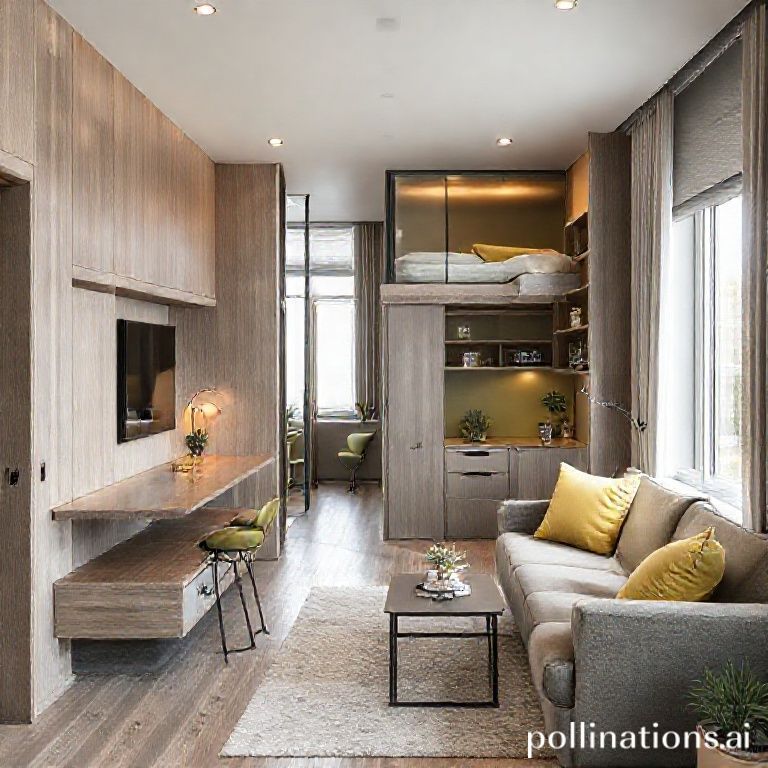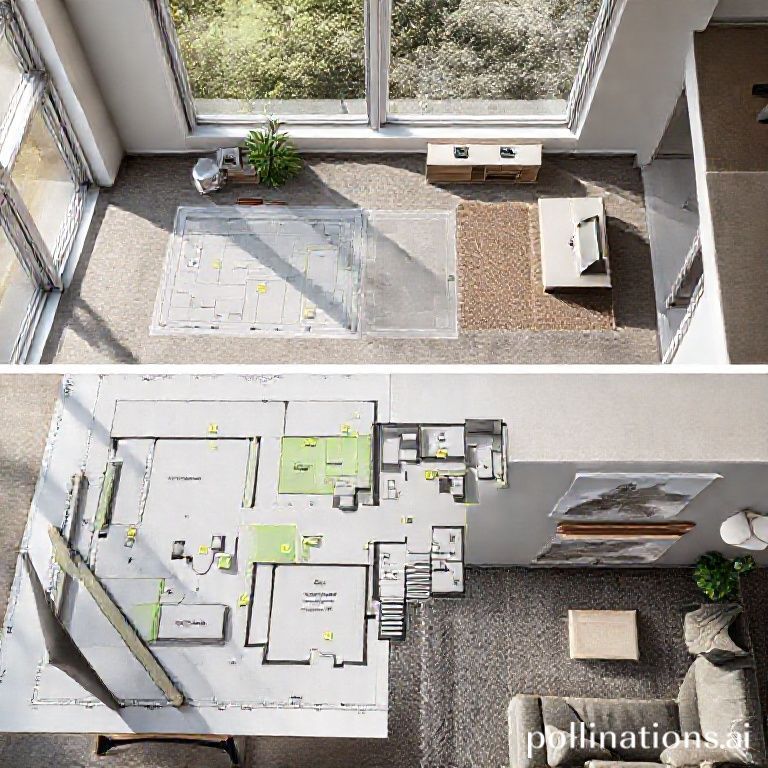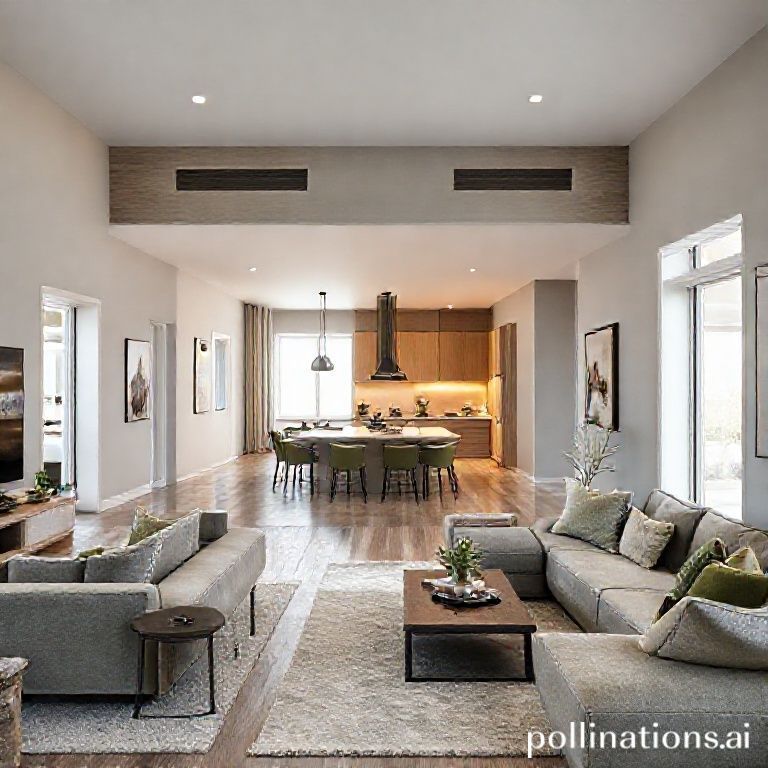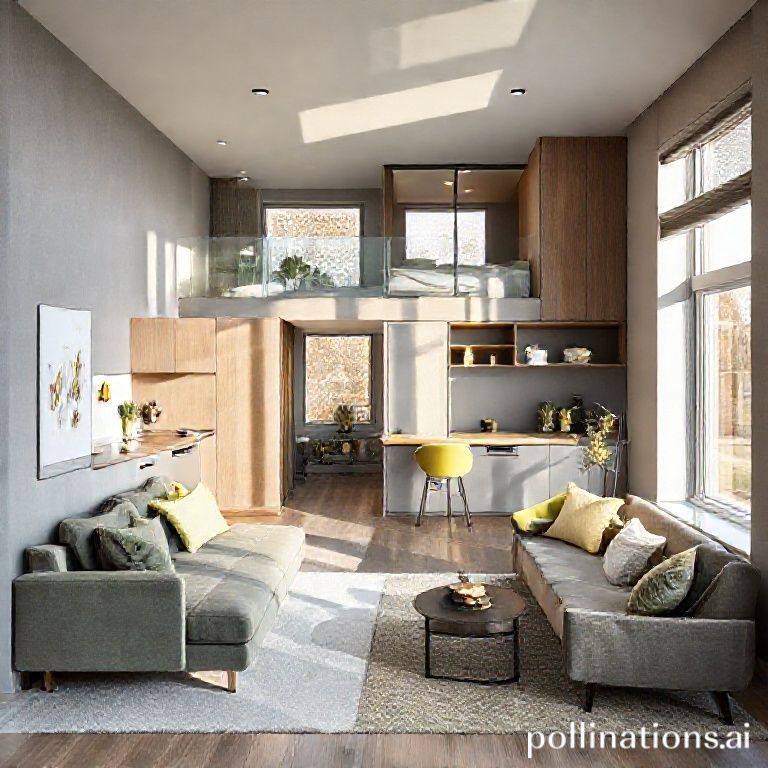
In today’s fast-paced urban environment, the quest for finding the perfect home within bustling cities has led many to embrace the allure of studio apartments. These compact living spaces offer a unique challenge: how to maximize functionality and aesthetics within limited square footage. With innovative floor plans designed specifically for studio apartments, residents can transform even the smallest of spaces into a stylish haven that reflects their personal style. Whether you’re a single professional or a student navigating city life, understanding effective floor plan strategies can greatly enhance your day-to-day living experience.
Understanding Studio Apartment Layouts
Studio apartments are generally defined as open-concept living spaces that combine the bedroom, living room, and kitchen into a single room, usually separated by a bathroom. The absence of walls presents unique opportunities and challenges regarding the layout. Design experts suggest that the key to successful small space living lies in understanding how to create distinct functional areas without sacrificing comfort or style.
Key Elements of Studio Apartment Floor Plans
- Open Concept Design: This is the hallmark of studio apartments. Open layouts provide a sense of spaciousness and encourage creativity in space utilization.
- Defined Zones: Successful studio designs often incorporate visual separators—such as rugs, furniture arrangements, or shelving—to delineate areas for sleeping, cooking, and relaxing.
- Multifunctional Furniture: Embracing furniture that serves multiple purposes is essential. Items like sofa beds, expandable dining tables, and nesting tables are fantastic investments for small spaces.
The Art of Space Optimization
Space optimization involves creative strategies that allow you to use every inch of your apartment effectively. From how you arrange your furniture to choosing the right storage solutions, small adjustments can make a significant difference.
1. Smart Furniture Arrangement
When arranging furniture in a studio apartment, it’s crucial to consider flow and accessibility. Begin by understanding how you naturally move through the space. Place larger items, like sofas and beds, against walls to open up the center of the room. This not only enhances visual space but also creates a welcoming atmosphere. Additionally, consider angling furniture rather than straight lines to break up the monotony of rectangular layouts.
2. Create a Multi-purpose Living Area
With the rise of remote work and studying, creating a multi-purpose living area is essential in small spaces. A well-placed desk can double as an entryway table or a dining space. Moreover, using room dividers, like curtains or sliding screens, can offer privacy for work without enclosing the room entirely. According to home renovation specialists, such innovative design solutions contribute greatly to the functionality of small apartments.
3. Innovative Storage Solutions
Effective storage is a cornerstone of maximizing space in studio apartments. Vertical storage solutions like high shelves, wall-mounted cabinets, and hanging organizers can help make the most of wall space. Utilizing under-bed storage and ottoman storage can also unearth hidden space for items that would otherwise clutter the living area. Additionally, modular furniture offers the flexibility to adapt your storage as needs change.
Design Inspiration from Contemporary and Modern Aesthetics
The aesthetics of a studio apartment can significantly influence your experience within the space. Contemporary and modern design elements, known for their clean lines and minimalistic approach, are particularly effective in creating an airy feel in small homes. Neutral color palettes paired with vibrant accent pieces can add depth and personality while keeping the overall look cohesive.
4. Choosing the Right Color Scheme
Color has a profound impact on perceived space. Light colors tend to open up a room, making it feel larger and more inviting. Consider creamy whites, soft greys, or pastel hues for the walls and larger furniture pieces. Accentuate these with stronger colors in decorative items like cushions, wall art, and plants, which can also soften the minimalist vibe and make the space feel more lived-in.
5. Incorporating Natural Light
Maximizing the use of natural light can dramatically change the feel of a studio apartment. Choose light, sheer curtains that allow sunlight to flood in while providing privacy. Strategically placing mirrors can enhance this effect by reflecting light, ultimately creating an illusion of depth and spaciousness. The use of reflective materials, such as metal decor items or glass coffee tables, further stimulates light circulation throughout your space.
Common Mistakes to Avoid in Studio Apartment Design
Many residents may unknowingly fall into design traps that hinder the functionality of their living space. Awareness of these common pitfalls can help you maintain an organized, stylish, and efficient studio apartment.
1. Overcrowding the Space
A frequent mistake made by dwellers of small apartments is the urge to fill the space with furniture and decor. This can lead to a cramped and uncomfortable atmosphere. Instead, prioritize key pieces that you love and need while allowing for open areas that promote movement and flow. Less is often more in the realm of small spaces, so invest in quality rather than quantity.
2. Ignoring Vertical Space
Neglecting to use vertical space for storage and decoration can lead to underutilized potential. Remember that walls are your allies in small apartment living. Utilize floating shelves, tall bookcases, and hooks to keep belongings off the floor. This approach maximizes storage while keeping essential items within easy reach.
3. Lack of Cohesion
While creativity is essential, a common mistake is failing to maintain a cohesive look throughout the studio. It’s vital to choose a unified color theme and design style that resonates with your personality. This consistency helps create a serene living space that feels put together and harmonious.
Pro Tips for Studio Apartment Living
- Select Dual-Purpose Items: Look for furniture that serves multiple functions, such as a coffee table that can convert into a dining table.
- Use Decorative Storage: Opt for aesthetically pleasing storage options like woven baskets or decorative boxes that also enhance the decor.
- Declutter Regularly: Periodically assess your items and eliminate those that are no longer essential to keeping your space fresh and functional.
Looking Ahead: The Future of Small Space Living
As urban environments continue to grow, so too does the innovation surrounding small space living. With advancements in technology and design, future studio apartment designs are poised to offer even more versatility and efficiency. Embracing a minimalist lifestyle also encourages sustainability—constructed from eco-friendly materials like wood and metal, both practical and stylish for the modern occupant.
Ultimately, the journey toward maximizing small spaces is an exciting exploration of creativity and function. By utilizing innovative floor plans and smart design principles, living in a studio apartment can be a joyful and enriching experience. Discovering your ideal layout is about finding solutions that fit your lifestyle while maintaining a chic and inviting dwelling.
Interested in transforming your small space even further? Explore our other articles on contemporary and modern living styles for more inspiring ideas and practical tips tailored to your needs.