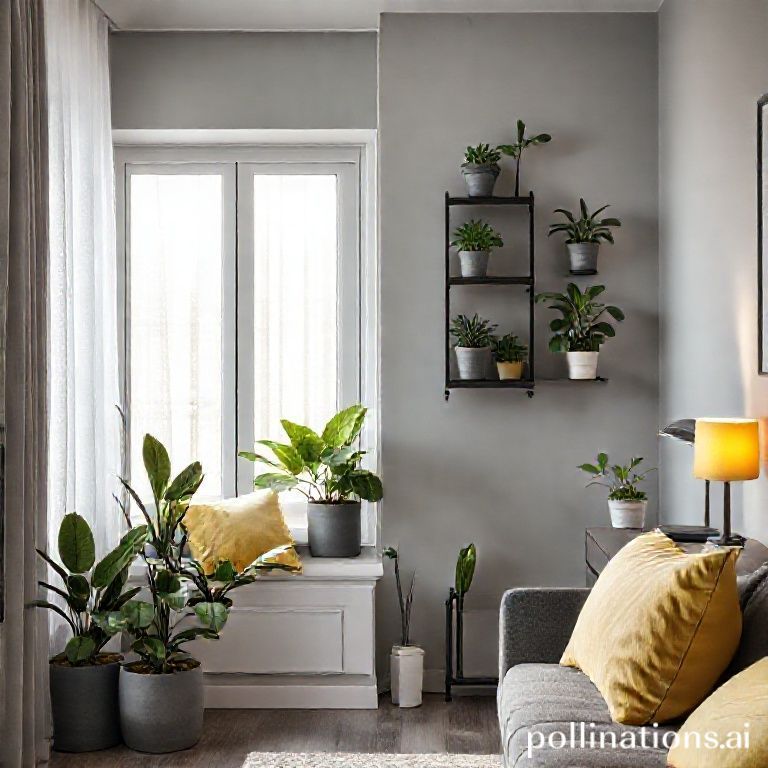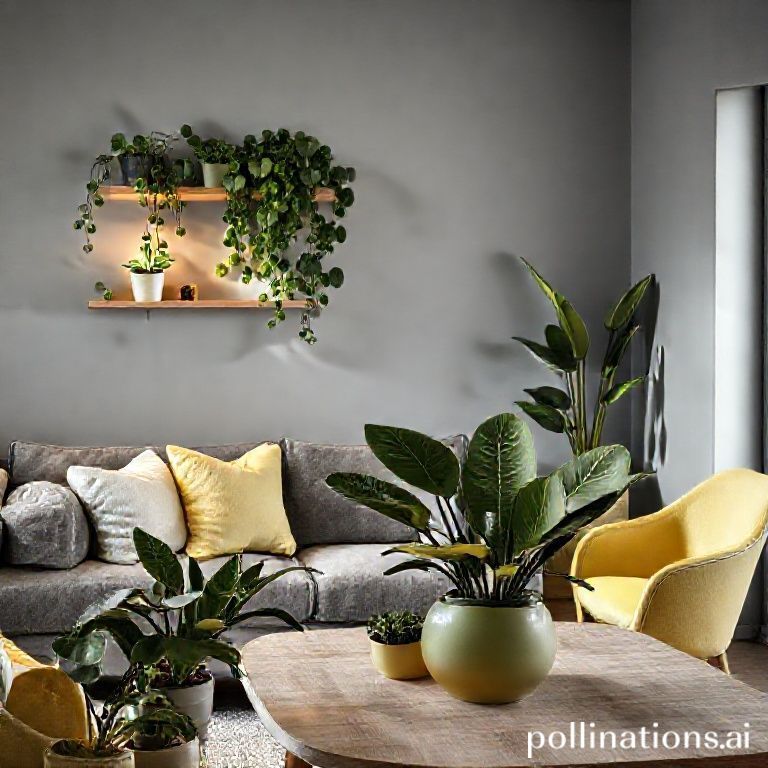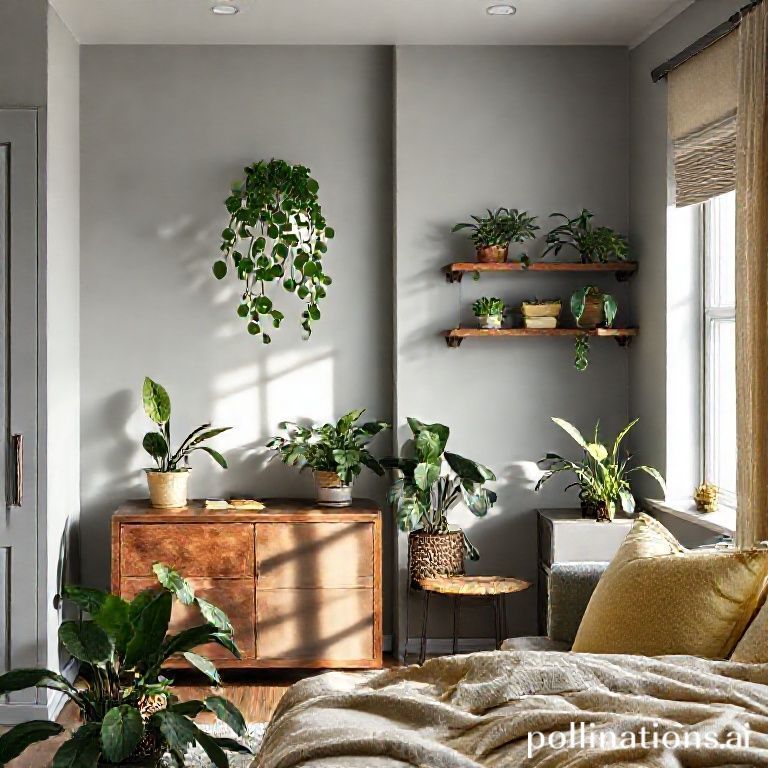
For those who believe that a home should be a sanctuary filled with life, low light indoor plants offer an excellent opportunity to bring nature indoors, even in the dimmer corners of your apartment or home. These resilient houseplants are not only capable of surviving lower light conditions but also help in improving air quality, thereby enhancing your overall living environment. In today’s post, we will explore the best indoor plants for low light environments, fulfilling the needs of apartment dwellers, students, and anyone interested in incorporating greenery into their homes.
The Importance of Low Light Indoor Plants
Low light indoor plants are essential for homes with minimal natural sunlight, as they provide aesthetic appeal and serve practical purposes. Many urban residents live in environments where large windows and direct sunlight are luxuries, rather than the norm. Houseplants that thrive in low light, such as the popular Snake Plant or the resilient ZZ Plant, can adapt to these challenging conditions effortlessly. This adaptability makes them perfect additions to homes with small spaces or those striving for a sustainable lifestyle.
Benefits of Low Light Indoor Plants
- Air Quality Improvement: Indoor plants contribute to enhanced air quality through photosynthesis, which reduces carbon dioxide levels and emits oxygen.
- Psychological Benefits: Greenery has been shown to reduce stress and anxiety, promoting a calming atmosphere within your home.
- Enhancing Decor: Low light plants come in various shapes and sizes, allowing you to incorporate them into any design scheme—be it Bohemian, Contemporary, or Modern.
Choosing the Right Low Light Indoor Plants
When selecting indoor plants for low light environments, it is crucial to consider each plant’s specific care requirements, such as humidity, temperature, and watering needs. Below is a detailed examination of some of the best options available.
1. Snake Plant (Sansevieria)
The Snake Plant is a favorite among both novice and expert plant parents. Its upright leaves can reach heights of up to three feet and feature striking green and yellow stripes. This plant thrives on neglect, making it ideal for anyone with a busy lifestyle. The Snake Plant prefers indirect sunlight but can also adapt to low light, growing slowly in such conditions.
- Care Tips: Water only when the soil feels dry to the touch, and ensure proper drainage to prevent root rot.
- Pro Tip: This plant can beneficially detoxify your home by removing harmful toxins from the air.
2. ZZ Plant (Zamioculcas zamiifolia)
The ZZ Plant is an exceptionally hardy option known for its glossy, dark green foliage. It can withstand neglect, drought, and low light, making it perfect for any indoor space lacking natural light. This plant is particularly appealing for students or professionals living in busy urban settings.
- Care Tips: Ideal watering frequency is once every couple of weeks, allowing the soil to dry out in between.
- Common Mistake to Avoid: The ZZ Plant is notorious for root rot due to over-watering; always err on the side of caution.
3. Pothos (Epipremnum aureum)
Pothos, also known as Devil’s Ivy, is a trailblazer in the realm of low-light plants. With its beautiful heart-shaped leaves that can variegate in color, it can add a touch of elegance to any area. Pothos thrives in low to medium light conditions and can grow long vines perfect for hanging baskets or shelves.
- Care Tips: Allow the top inch of soil to dry out before re-watering; this will keep your Pothos healthy and thriving.
- Designer Insight: Consider pairing them with wooden rustic planters to emphasize their natural beauty.
4. Peace Lily (Spathiphyllum)
The Peace Lily is celebrated not only for its beautiful white blooms but also for its ability to thrive in moderate to low light. This plant’s glossy leaves can reach up to 16 inches long, adding a lush touch to interiors. Peace Lilies are also known for their air-purifying properties, making them excellent companions for bedrooms and living areas.
- Care Tips: Keep the plant moderately moist at all times—avoid letting it dry out completely or becoming waterlogged.
- Pro Tip: Display Peace Lilies in a ceramic pot to add an artistic charm that complements home decor.
5. Spider Plant (Chlorophytum comosum)
Spider Plants are easily recognizable due to their long, arching leaves that create a delightful cascading effect. These plants are not only easy to care for, but they also produce baby plants or “pups” that can be propagated in your home. The Spider Plant can grow comfortably in low light but prefers bright, indirect sunlight for optimal health.
- Care Tips: Water the plant only when the top inch of soil is dry, and provide a balanced fertilizer occasionally.
- Common Mistake to Avoid: Avoid placing Spider Plants in dark corners; too little light will cause the plants to produce fewer offsets.
Creating the Perfect Environment for Your Low Light Plants
Regardless of the plant species you choose, creating a nurturing environment is crucial for promoting growth. Here are some essential considerations:
Light Conditions
While these plants can survive in low light, they will thrive in areas with indirect sunlight. Placing your plants near north-facing windows or using sheer curtains to diffuse sunlight can effectively create an ideal environment.
Watering Practices
Over-watering is one of the most common mistakes in plant care. Each species has its specific requirements, so always check the soil moisture level before watering. A well-draining pot is paramount; any excess water should be able to escape, promoting healthy root systems.
Soil Quality
Utilizing a high-quality potting mix rich in organic materials can aid in providing essential nutrients to your indoor plants. Opt for eco-friendly and sustainable soil options that support healthy growth while being kind to the environment.
Decorating with Low Light Indoor Plants
Integrating low light plants into your home decor adds natural beauty and style. Consider the following creative approaches:
- Use Hanging Planters: Create visual intrigue by hanging plants at varying heights, which draws the eye upward in small spaces.
- Incorporate Mix and Match Styles: Pair different plant types, such as large statement plants with smaller, trailing varieties, to create a dynamic display.
- Wooden Accents: Choose wooden plant stands or containers to enhance the natural aesthetic of your home.
Conclusion
Low light indoor plants are perfect companions for anyone looking to introduce greenery into their spaces, especially in homes with limited light conditions. From the resilient Snake Plant to the elegant Peace Lily, these plants offer a multitude of benefits that enhance both well-being and home decor. By understanding their care requirements and selecting the right varieties, you can create a lush indoor oasis that resonates with your personal style and lifestyle.
For more tips on indoor gardening or to explore various styles such as Bohemian or Contemporary decor, check out our other articles. Embrace the beauty of indoor plants and transform your space today!