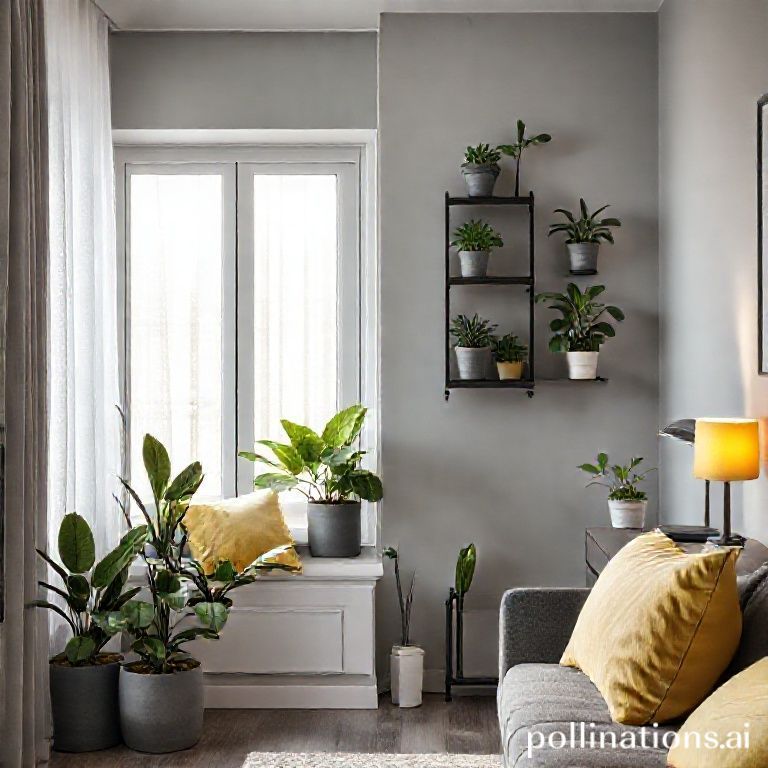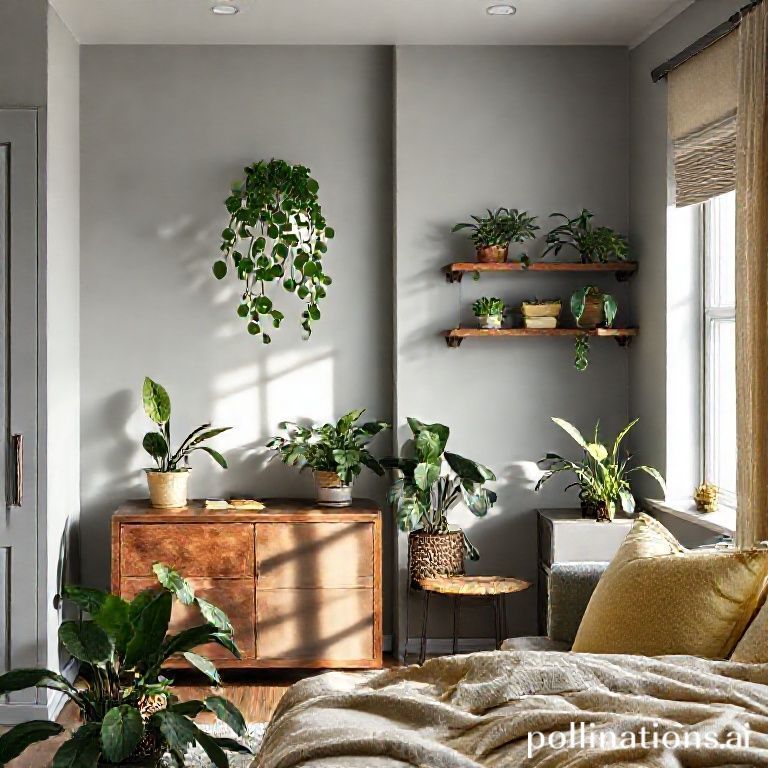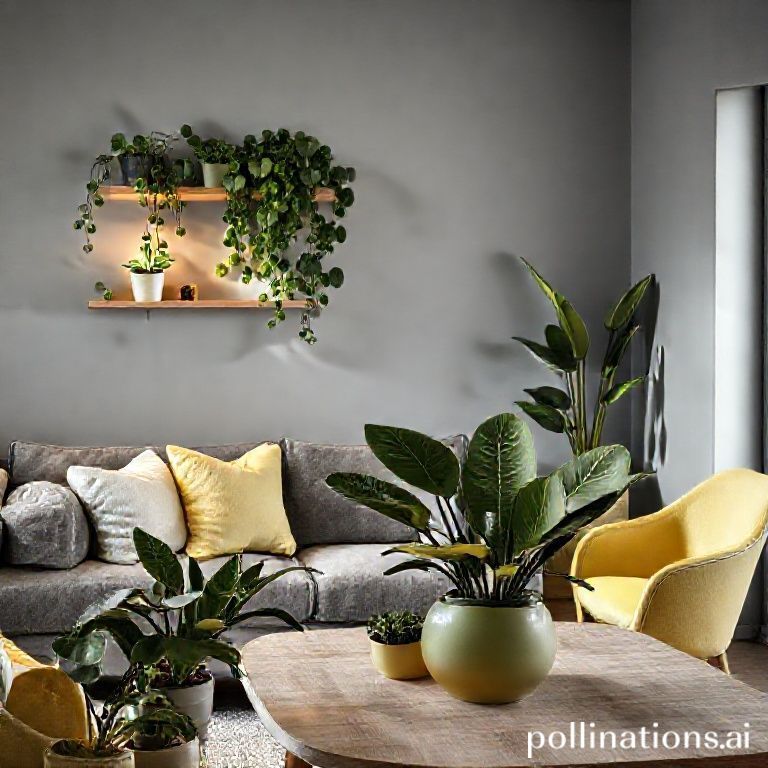
Choosing the right indoor plant for low light conditions can feel overwhelming, especially for those just beginning their journey into the world of houseplants. However, understanding which plants thrive in shady environments can transform even the dimmest corners of your home into lush green sanctuaries. Recognizing that not every indoor space offers abundant sunlight, this guide aims to provide you with actionable insights into selecting the best low light indoor plants, along with comprehensive care tips to ensure their longevity and vitality.
Understanding Low Light Conditions
Low light does not mean no light. In fact, many indoor spaces that are classified as low-light still receive a certain amount of indirect sunlight. Common examples of such areas include rooms with north-facing windows, spaces shaded by tall buildings, or rooms that receive filtered light through curtains. It’s essential to grasp that while plants in low light can survive, they might not grow as vigorously as those placed in brighter conditions.
Design experts suggest that low light environments often resemble the natural habitat of many indoor plants, particularly those native to tropical and subtropical regions. These plants are adapted to thrive under the canopy of larger trees, making them well-suited for your home if you incorporate them correctly.
Top Low Light Indoor Plants for Your Home
When selecting indoor plants that flourish in low light, consider the following options, treasured for their beauty, ease of care, and ability to adapt:
1. Snake Plant (Sansevieria trifasciata)
- Light Requirements: Tolerates low light, though indirect light will enhance growth.
- Watering: Allow the soil to dry out completely between waterings to prevent root rot.
- Care Tip: Can thrive in a variety of pots but ensure good drainage for optimal health.
2. ZZ Plant (Zamioculcas zamiifolia)
- Light Requirements: Thrives in low to bright indirect light; very forgiving.
- Watering: Water only when the soil is completely dry. Overwatering is a common mistake.
- Pro Tip: Perfect for pet owners; it’s non-toxic to cats and dogs.
3. Pothos (Epipremnum aureum)
- Light Requirements: Suited for low-light environments and can tolerate neglect.
- Watering: Water when the soil feels dry; pothos can droop slightly when thirsty.
- Common Mistake to Avoid: Avoid placing pothos in direct sunlight as it can scorch the leaves.
4. Spider Plant (Chlorophytum comosum)
- Light Requirements: Prefers bright, indirect light but still grows well in low light.
- Watering: Moderate watering; allow the top inch of soil to dry between waterings.
- Designer Insight: Ideal for hanging baskets; their arching leaves and ‘baby’ plants add visual interest.
5. Peace Lily (Spathiphyllum spp.)
- Light Requirements: Thrives in low levels of light, with the bonus of occasional blooming.
- Watering: Water when the leaves begin to droop, which also signifies the need for repotting.
- Pro Tip: It’s a natural air purifier, making it a healthy addition to your indoor space.
Caring for Your Low Light Indoor Plants
Once you have selected the perfect low light plants for your home, understanding how to care for them is crucial. Here are some essential tips:
Watering Wisely
Watering is one of the most challenging aspects for plant owners, especially those new to gardening. Overwatering can lead to root rot, which is often the demise of many houseplants. Ensure that your pots have drainage holes and that the soil dries out completely before the next watering. Familiarize yourself with the signs of both over and under-watering. For instance, drooping leaves often indicate a thirsty plant, while yellowing leaves may suggest too much water.
Providing Appropriate Humidity
Most low light plants prefer humidity levels higher than what is typically found in dry indoor spaces, particularly during winter months when heating systems are in use. Consider misting your plants or placing a small humidifier nearby. Grouping plants can also create a microclimate that benefits them all, enhancing humidity naturally.
Fertilizing Your Indoor Plants
Indoor plants benefit from regular feeding to ensure they receive the necessary nutrients. A balanced, water-soluble fertilizer can be applied every 4-6 weeks during the growing seasons (spring and summer). Avoid fertilizing in the fall and winter when plant growth naturally slows down. Pay attention to the specific needs of each plant—some may require more frequent feedings, while others are more forgiving.
Creating a Bohemian, Contemporary, or Modern Aesthetic with Indoor Plants
Your choice of indoor plants can dramatically affect the ambiance of your home. For a bohemian style, think vibrant, cascading plants such as pothos or string of hearts that can hang from shelves or create a green wall. Contemporary design might lean towards structured plants like snake plants or ZZ plants, offering a clean and minimalist feel. On the other hand, a modern aesthetic can mix elements of both, showcasing a variety of textures and heights. Consider choosing a combination of pots in earth tones or neutral colors made from eco-friendly materials like wood or recycled composites to enhance the design further.
Budget-Friendly Options for Indoor Plant Lovers
Many of the best indoor plants for shade are also budget-friendly, ensuring that creating your green sanctuary does not break the bank. Cost-effective options include starting with cuttings from friends or family, which can be rooted at home. Many local nurseries also hold plant swaps where you can exchange plants or divisions of your existing plants for new varieties.
Conclusion: Embracing Indoor Greenery for Your Lifestyle
Incorporating low light indoor plants into your home not only enhances aesthetic appeal but also contributes to a healthier living environment. These plants can thrive in various settings, whether you are a busy professional, a pet owner, or living in a cozy apartment. Understanding their unique needs allows you to foster a lush greenery experience that compliments your lifestyle. As you explore further into the realm of houseplants, consider diving into styles and materials that resonate with your design sensibilities. Explore options like Eco-friendly materials or discover which indoor plants best suit your home during various seasons. Your journey into the world of indoor gardening is just beginning—let these low light champions inspire you to create your serene hideaway amid the bustling everyday life.
For more insights on different houseplant styles, check out our articles on modern, bohemian, and sustainable home decor ideas.