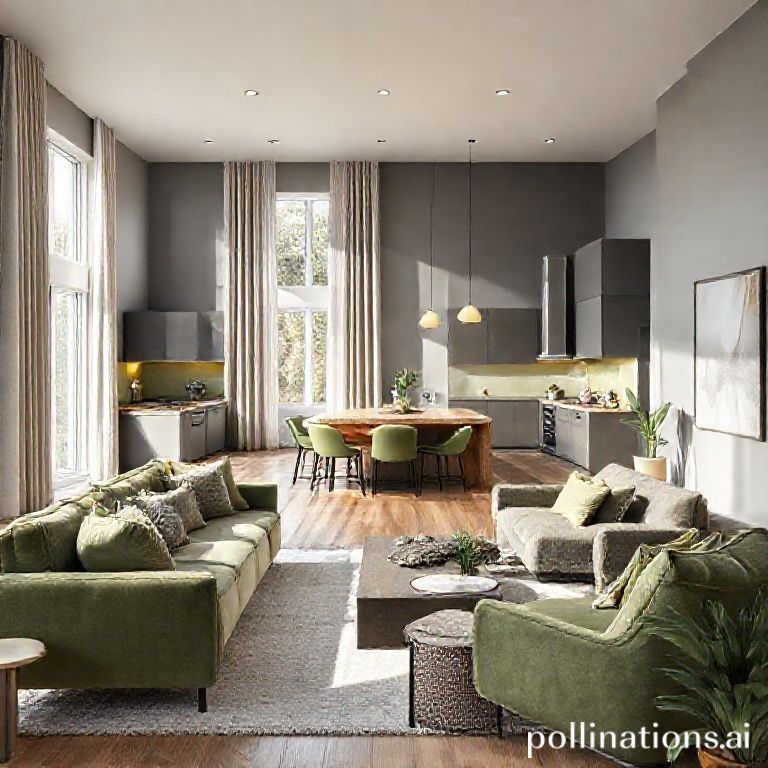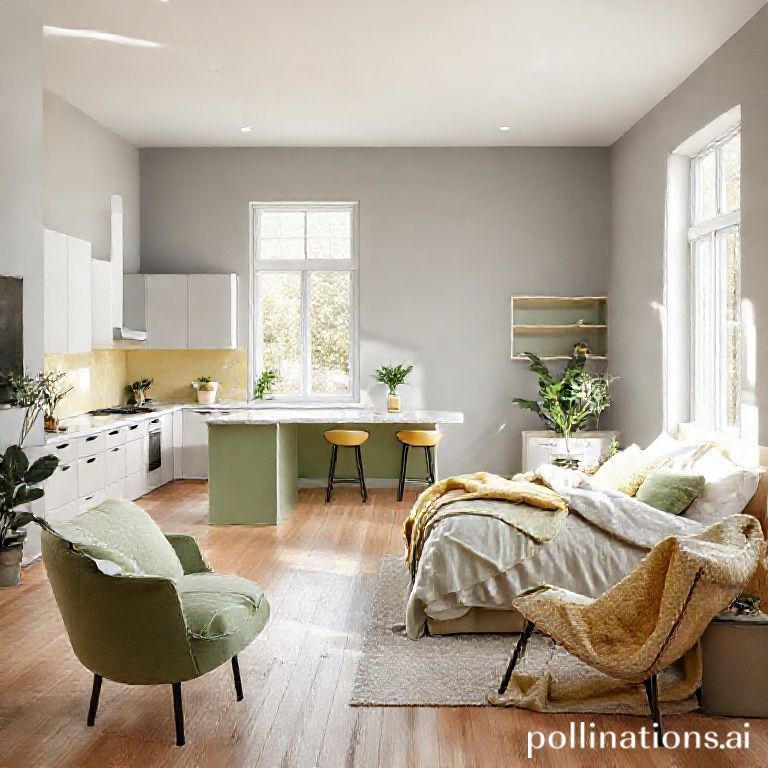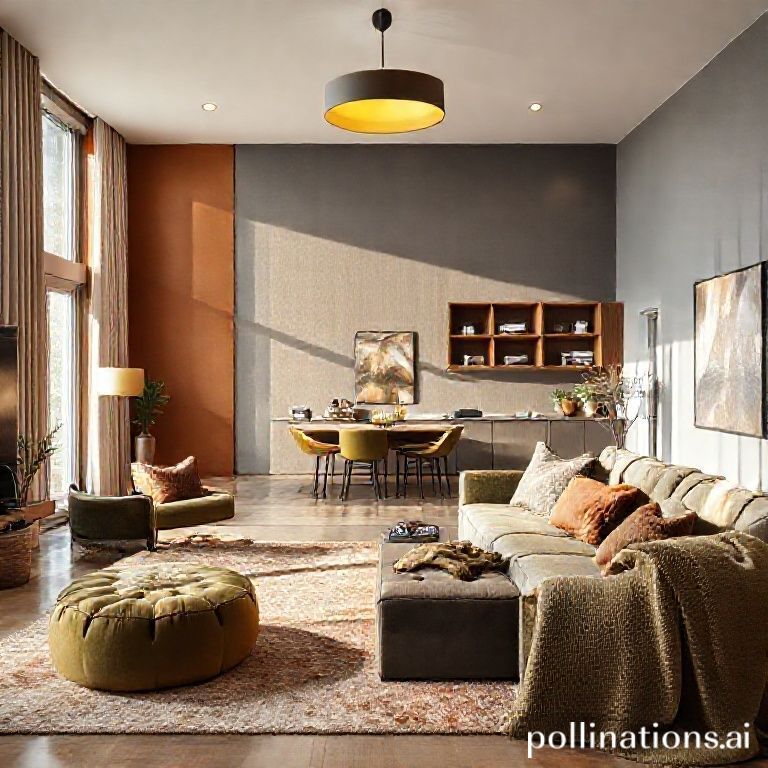
In recent years, interior design has witnessed a significant shift towards incorporating earthy tones, such as terracotta, olive green, and muted browns. These colors not only provide a visual connection to nature but also evoke a sense of warmth, comfort, and grounding, making them increasingly popular in modern home decor. This article explores the psychological implications of these colors, discusses their versatility in interior design, and offers practical tips on how to effectively incorporate earthy tones into your living spaces.
The Psychological Impact of Earthy Tones
Understanding the psychology behind colors is vital for anyone looking to create a harmonious living environment. Earthy tones are known to have calming effects on the human psyche, promoting feelings of tranquility and comfort. According to interior design experts, colors like olive green and muted browns can create an inviting atmosphere that encourages relaxation and connection to the natural world.
Moreover, these hues are associated with stability and reliability, making them excellent choices for spaces where a sense of calm and security is desired, such as living rooms, bedrooms, and family gathering areas. By incorporating earthy tones, homeowners can transform their spaces into calming retreats that echo the serenity found in nature.
Popular Earthy Tones to Consider
When it comes to selecting earthy tones for your home, several shades are particularly noteworthy:
- Terracotta: A warm, reddish-brown color reminiscent of clay, terracotta adds a rustic, yet modern vibe to any space.
- Olive Green: A muted green that evokes the tranquility of nature, olive green pairs beautifully with wood and stone accents.
- Muted Browns: From chocolate to beige, muted browns serve as a neutral backdrop that complements a wide array of design styles.
- Soft Grays: A versatile color that adds sophistication while maintaining an earthy feel, soft grays work well in contemporary design contexts.
- Dusty Blues: These blues have a hint of earthy tones, creating a serene and calming environment, perfect for bedrooms or meditation spaces.
Incorporating Earthy Tones into Your Home Decor
1. Paint Selections
Choosing the right paint color can dramatically impact the ambiance of a room. For those looking to create a cozy atmosphere, consider painting an accent wall in olive green or terracotta. Pairing these colors with lighter neutrals can enhance the overall space and make it feel open while providing a touch of earthiness.
2. Furniture Choices
When selecting furniture, opt for pieces made from natural materials like wood and stone. These materials not only reinforce the earthy aesthetic but also contribute to a sustainable living environment. Consider a reclaimed wooden dining table or stone accents in coffee tables that echo the surrounding tones.
3. Textiles and Accessories
Textiles offer a wonderful opportunity to play with earthy tones. Rugs, throw pillows, and curtains in muted shades can soften the space and add warmth. Look for natural fabrics like linen or cotton that embody comfort and connection to the earth.
Pro Tip: Layering different textures in your color palette can add depth and complexity to your design. Mix soft fabrics with woven elements to create visual interest that keeps the space dynamic.
4. Artwork and Decor
Art pieces and decor can effectively introduce and amplify earthy tones in your space. Look for artworks that celebrate nature, such as landscapes with earthy color palettes or abstract pieces using muted hues. Wall decor that incorporates natural elements—like wood frames or stone sculptures—can also enhance the earthy vibe.
Creating a Cohesive Look
For a truly harmonious design, it’s essential to consider how earthy tones interact with one another and with your existing decor. Establish a color palette that embraces a balance of warm and cool earthy tones, allowing the spaces to breathe and feel unified. For example:
- Combine muted orange or terracotta with olive green and soft gray.
- Pair browns with cooler beige tones and subtle blues for a tranquil elegance.
- Consider how natural light affects these combinations throughout the day, adjusting accordingly to maximize their impact.
Design experts suggest that homeowners should play with various combinations until they find what feels just right for their environment, ensuring that each color enhances the overall atmosphere of their home.
Common Mistakes to Avoid
While earthy tones can be incredibly versatile, there are a few common pitfalls to be aware of. Here are some mistakes to avoid:
- Overwhelming Brightness: While introducing earthy tones, it’s crucial to maintain balance. Avoid using overly bright or stark colors that can clash with your chosen earthy palette.
- Neglecting Natural Light: Darker earthy tones may absorb light. Ensure to include enough natural light or use appropriate lighting fixtures to keep the space from feeling cave-like.
- Ignoring Texture: Relying solely on color without considering texture can lead to a flat design. Incorporate a balanced mix of textures to create depth.
Conclusion
In summary, the rise of earthy tones in modern home decor reflects a deeper desire to reconnect with nature and cultivate serene living spaces. These colors not only provide aesthetic beauty but also foster emotional well-being and sustainability. By understanding the psychological impact and practical applications of earthy tones, homeowners can create contemporary environments that are both stylish and grounding. Explore the possibilities with earthy colors in your next home decor project and transform your space into a harmonious sanctuary.
For more insights on sustainable materials and contemporary styles, check out our other articles on the latest home decor trends and design strategies!