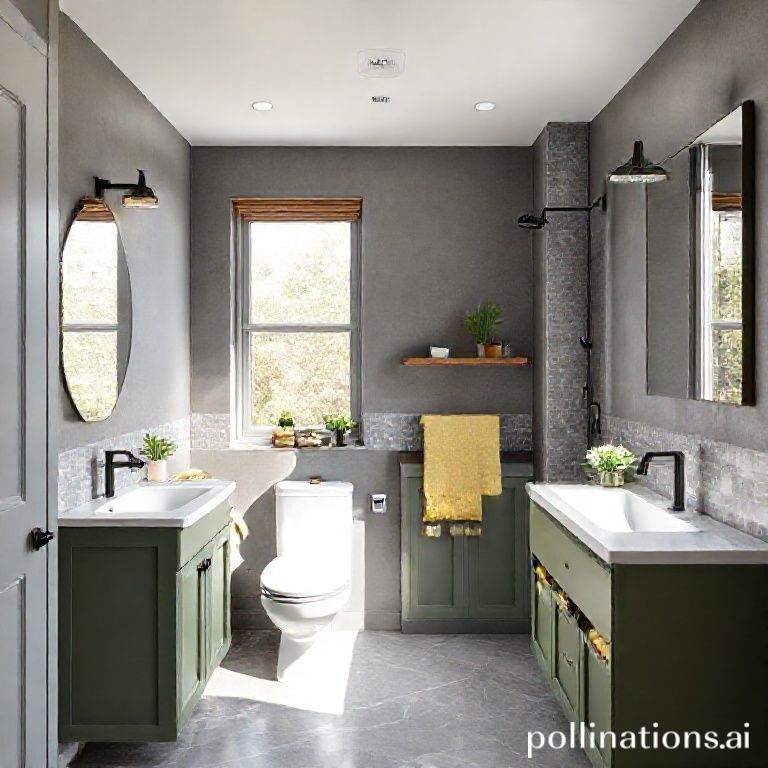
In a world where environmental consciousness is becoming increasingly paramount, the bathroom—often overlooked for eco-upgrades—presents a myriad of opportunities for change. With simple modifications, you can transition your space into a haven of sustainability while positively impacting your carbon footprint. Here, we will explore ten eco-friendly bathroom upgrades that you can implement today, showcasing practical solutions that marry sustainability with style.
1. Install Water-Saving Fixtures
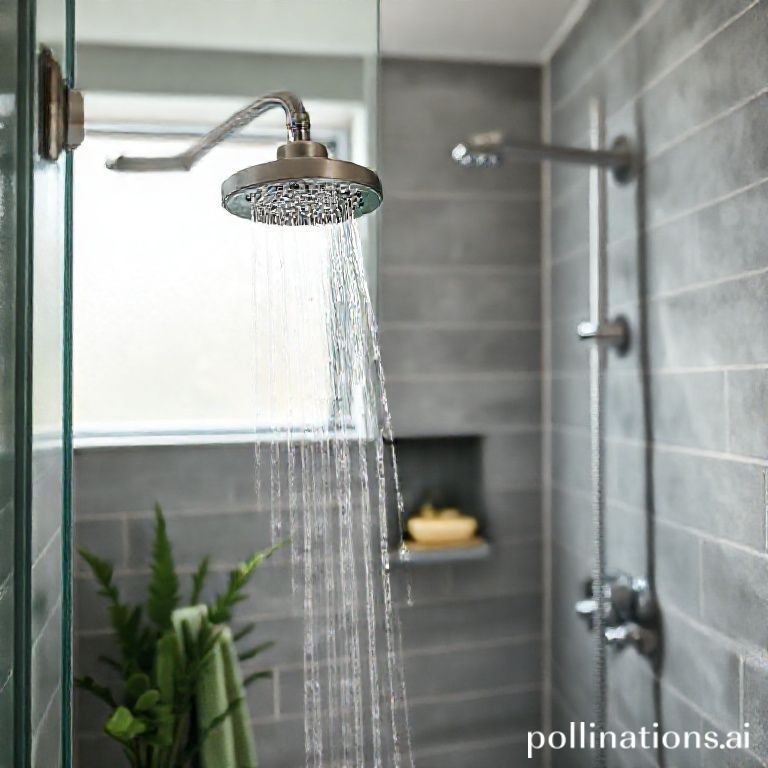
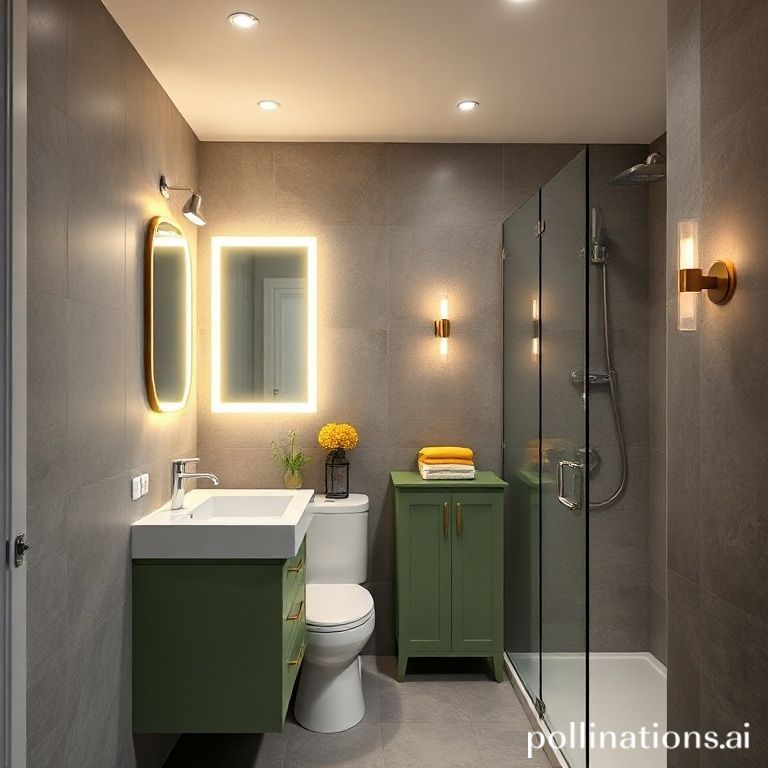
One of the most straightforward upgrades to make your bathroom eco-friendlier is to replace existing faucets, showerheads, and toilets with water-saving fixtures. Low-flow faucets can significantly reduce water usage, while efficient showerheads minimize the amount of water flowing through without compromising the quality of your shower experience. According to home renovation specialists, opting for dual-flush toilets is also a wise investment, as they provide users with the choice of using less water for liquid waste. Together, these changes can save families hundreds of gallons of water annually.
2. Invest in Eco-Friendly Materials
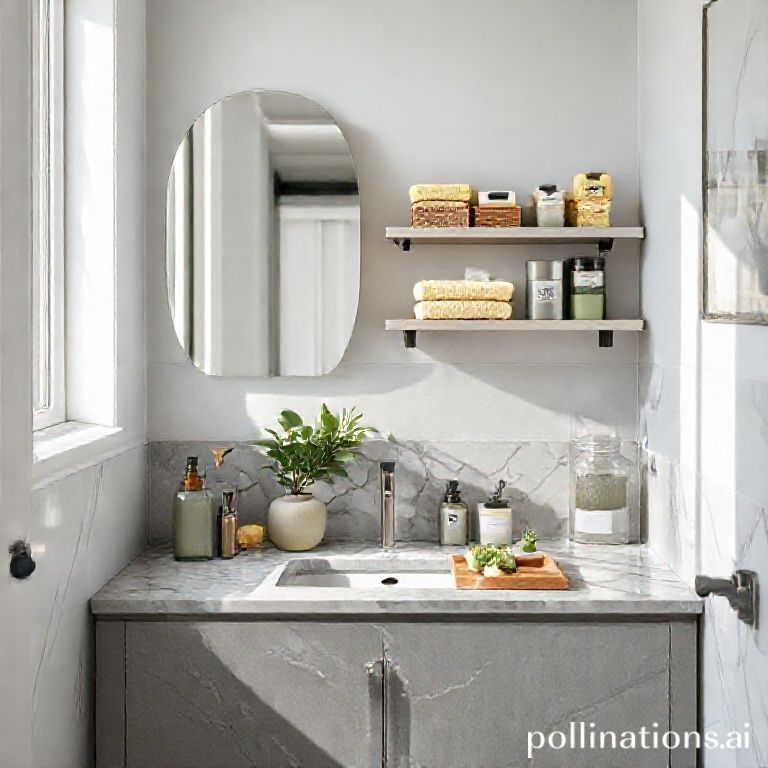
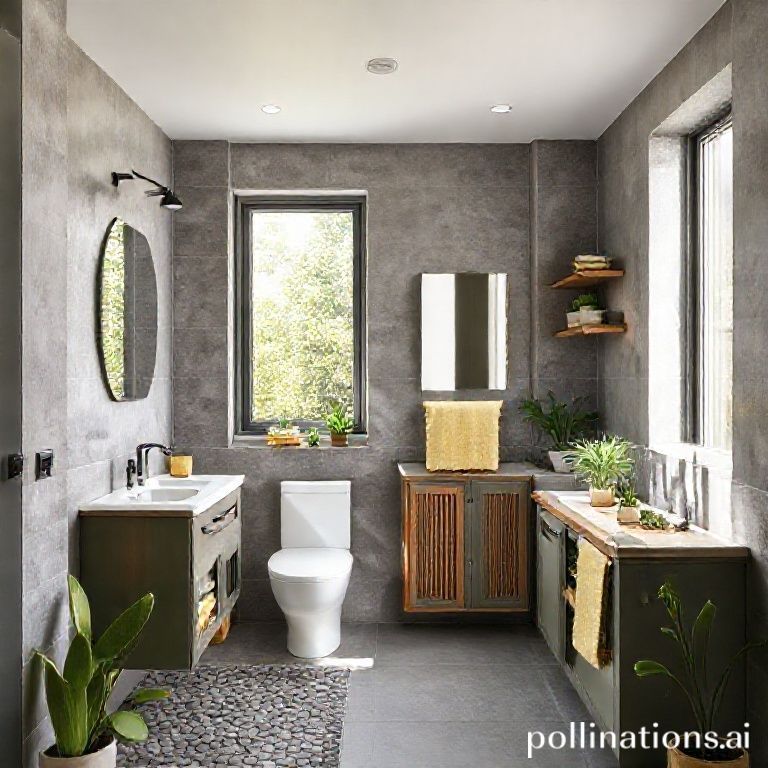
Using sustainable materials in your bathroom renovation is crucial. Choose bamboo or reclaimed wood for cabinetry and fixtures; these materials not only contribute to a rustic style but are also incredibly durable and resistant to moisture. When selecting countertops, consider options like recycled glass or natural stone, which offer beauty and resilience while lowering environmental impact. Expert designers suggest that pairing natural elements with earth tones can enhance the bathroom’s aesthetic while grounding it in nature.
3. Upgrade to a Smart Shower System
Modern technology can lead to significant water savings. Smart shower systems allow you to control water flow and temperature efficiently, ensuring minimal waste. These systems often come equipped with timers and flow rate sensors, enabling users to monitor their water consumption. Furthermore, some systems can be programmed to provide feedback, encouraging more mindful usage. As families strive for smarter homes, these eco-friendly options exemplify a blend of innovation and sustainability.
4. Implement a Greywater Recycling System
By capturing and repurposing “greywater” (wastewater from sinks, baths, and showers), you can drastically reduce your overall water consumption. Greywater systems filter and reuse water for irrigation and flushing toilets, making them an ideal choice for eco-conscious homeowners. While installation may require a professional touch, the long-term savings on water bills and the environmental benefits make it a worthy investment. Designers recommend consulting with greywater specialists to ensure compliance with local regulations.
5. Introduce Low-VOC Paints
The paint you choose can significantly impact your bathroom’s air quality. Traditional paints often contain volatile organic compounds (VOCs) that release harmful chemicals into the air over time. Switching to low-VOC or zero-VOC paints not only improves indoor air quality but reduces your environmental footprint. These paints come in various finishes and colors, allowing you to achieve that contemporary look while remaining environmentally responsible.
6. Ditch Single-Use Items
Creating a sustainable bathroom involves reassessing your disposable product usage. By replacing paper towels with reusable cloths or opting for biodegradable products, you can help curb waste. Consider switching to natural, eco-friendly personal care products. Many brands now offer a variety of environmentally responsible items, from cotton swabs to dental care, made from biodegradable materials. Pro Tip: Choose items packaged in recycled materials to further lower your ecological impact.
7. Optimize Natural Lighting
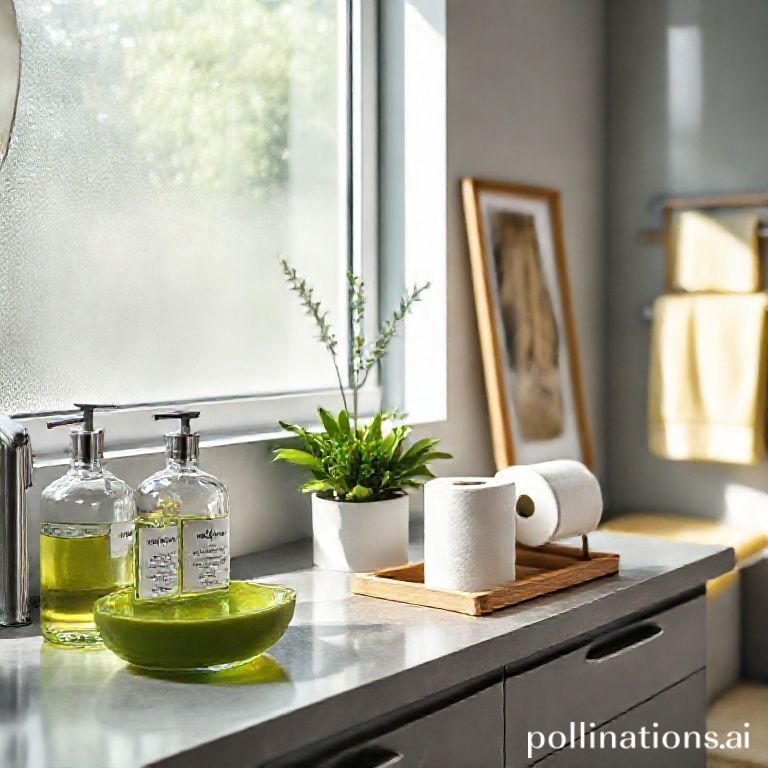
Aesthetically pleasing and energy-efficient, natural light is an eco-friendly design principle worth considering. If feasible, installing skylights or larger windows can dramatically enhance the brightness of your bathroom. Not only does this reduce dependence on artificial lighting but it also creates a serene and inviting atmosphere. For those who want privacy, frosted glass can be a stylish and practical solution to maintain natural light flow while concealing views.
8. Incorporate Sustainable Textiles
Your bathroom textiles, including towels and bath mats, can also be eco-friendly. Look for organic cotton, hemp, or bamboo-based fabrics that are durable and sustainable. These materials are usually produced without harmful chemicals and require less water to grow compared to traditional cotton. It’s also advisable to choose linens in neutral or earthy tones, as they can complement a range of contemporary bathroom styles while promoting a calming ambiance.
9. Set Up a Compost Bin
While it may not seem conventional, creating a small compost bin in your bathroom can be a step towards sustainability. Composting organic waste, like hair and biodegradable products, can significantly reduce the amount of waste that ends up in landfills. Compostable bags or bins made from recycled materials can simplify the process, making it easy to collect these items and transport them to your main composting setup.
10. Collaborate with an Eco-Friendly Designer
For those unsure where to start, collaborating with a designer specializing in eco-friendly renovations can streamline the process. These professionals can offer tailored advice that matches your lifestyle while integrating contemporary and sustainable practices seamlessly. They understand the importance of selecting the right materials and layouts that complement green living, ensuring you achieve your dream bathroom in harmony with the environment.
As more families strive for green living, implementing these eco-friendly bathroom upgrades can lead to a significant reduction in water use and waste. Taking conscious steps toward sustainability does not only contribute to environmental health; it can also enhance your bathroom’s style and functionality. Once you’ve made these upgrades, consider embarking further into eco-friendly options in your home, such as energy-efficient appliances or sustainable landscaping improvements. The choices you make today can pave the way for a greener tomorrow.