In an era marked by increasing awareness of water conservation and eco-friendly practices, selecting the right low-flow showerhead can make a significant impact on your bathroom’s water efficiency. Not only does a low-flow showerhead help to conserve precious water resources, but it can also enhance your daily shower experience, proving that sustainability can go hand in hand with luxury. This comprehensive guide will delve into the key factors to consider when choosing the best low-flow showerhead for your bathroom, ensuring that your selections contribute positively to both your personal comfort and the environment.
Understanding Low-Flow Showerheads
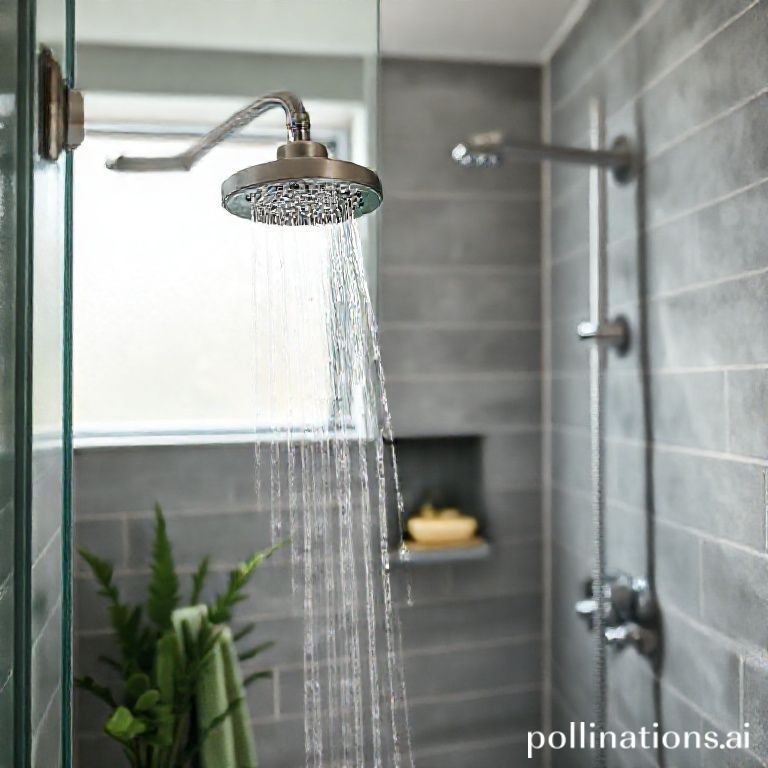
Low-flow showerheads are designed to reduce the amount of water used during showers without compromising the quality of the spray. According to design experts, the modern standard for low-flow showerheads is 2.0 gallons per minute (GPM) or less, compared to traditional models that can use up to 5.0 GPM. By incorporating advanced technologies, such as aerators and pressurized systems, these showerheads can provide a satisfying shower experience while using significantly less water.
The Importance of Water Efficiency
Understanding water efficiency is crucial for every homeowner. With ongoing water shortages in many regions, adopting water-saving fixtures can dramatically lower household water usage. On average, a family of four can save over 2,000 gallons of water a year simply by swapping traditional showerheads for low-flow models.
Types of Low-Flow Showerheads
There are several types of low-flow showerheads available on the market, each with unique features and benefits:
- Standard Low-Flow Showerheads: These models restrict water flow to 2.0 GPM. They are simple to install and can be found in various designs to match any bathroom style.
- Multi-Function Showerheads: Offering several spray settings, these can provide a customized shower experience. Depending on the setting used, some of these models can deliver even lower flow rates.
- Handheld Showerheads: Ideal for those with mobility issues or for rinsing off after a long day. Handheld models allow for greater flexibility and can wash difficult-to-reach areas with ease.
- Smart Showerheads: Equipped with technology to monitor water usage and adjust flow rates accordingly, smart showerheads can significantly increase water efficiency and provide insights into your consumption patterns.
Choosing the Right Spray Pattern
When selecting a low-flow showerhead, consider the various spray patterns available. The spray type can affect both the feeling of the water and your overall satisfaction. Here are some common spray patterns to consider:
- Rain Shower: This setting mimics the gentle fall of raindrops, providing a luxurious experience.
- Massage: Delivers concentrated jets of water for a rejuvenating experience, ideal for relaxation and stress relief.
- Wide Spray: Covers a larger area, which can help in rinsing off soap quickly.
Finding a spray pattern that aligns with your preferences is essential for enjoying your shower experience. Many manufacturers offer adjustable spray settings, allowing you to customize your shower to suit your mood.
Installation Considerations
Installing a low-flow showerhead is a manageable DIY project for most homeowners, requiring minimal tools and a bit of time. However, it is essential to approach the installation correctly to avoid any potential issues:
- Turn Off the Water Supply: Before starting, make sure to turn off the water supply to the shower. This helps prevent any sudden water sprays while you work.
- Remove the Old Showerhead: Use an adjustable wrench to unscrew the existing showerhead. Make sure to clean the threads on the shower arm to remove any old tape or residue.
- Install the New Showerhead: Apply plumber’s tape around the threads of the shower arm to ensure a watertight seal. Screw on the new low-flow showerhead securely.
- Test for Leaks: Turn the water supply back on and check for leaks. Tighten as necessary to ensure proper sealing.
Eco-Friendly Bathroom Upgrades
Incorporating low-flow showerheads is just one step toward creating an eco-friendly bathroom. Homeowners are increasingly choosing sustainable materials and fixtures to enhance their spaces while promoting sustainability:
- Water-Saving Toilets: Opt for dual-flush models that allow users to select water usage based on the waste produced.
- Low-Flow Sink Faucets: Pair showerheads with low-flow faucets to conserve additional water throughout your bathroom.
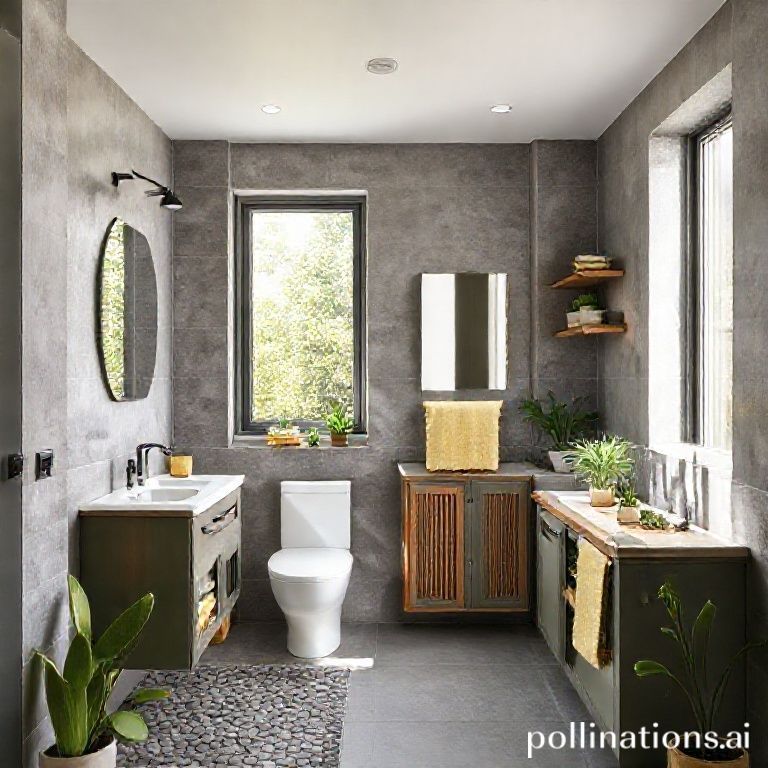
- Eco-Friendly Materials: Choose countertops, tiles, and cabinetry made from sustainable materials, such as bamboo or recycled content.
Common Mistakes to Avoid
As you navigate the decision-making process, it is essential to be aware of common mistakes that homeowners often make when selecting low-flow showerheads:
- Overlooking Flow Rate: Always check that the product’s flow rate meets the low-flow standard desired; otherwise, you might end up with a shower that does not save much water.
- Neglecting Style: While functionality is important, aesthetics should not be forgotten. Choose a showerhead that complements your bathroom decor.
- Ignoring Customer Reviews: Product reviews can provide valuable insights into performance, durability, and user satisfaction. Pay attention to user feedback before purchasing.
Designer Insights
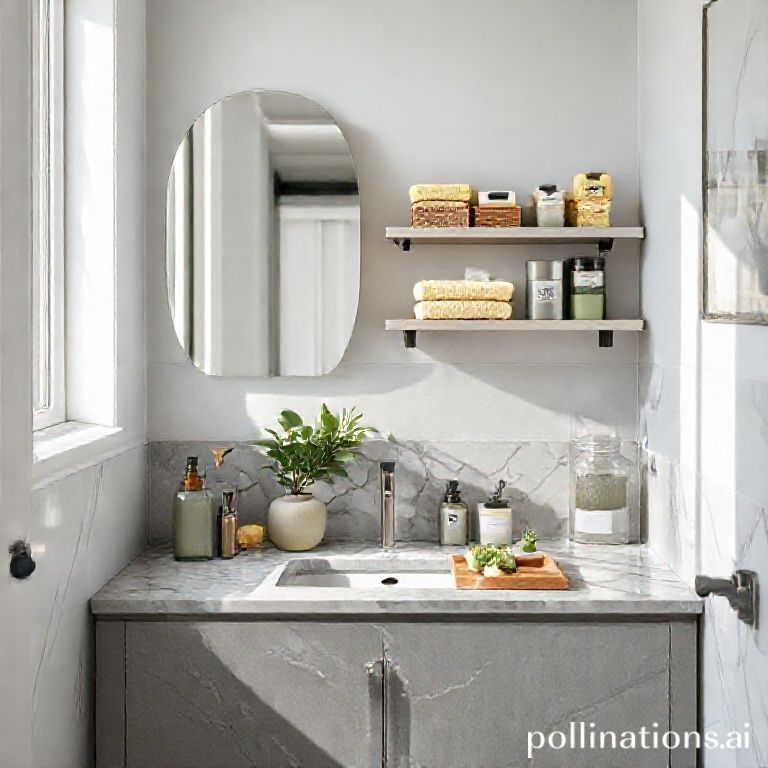
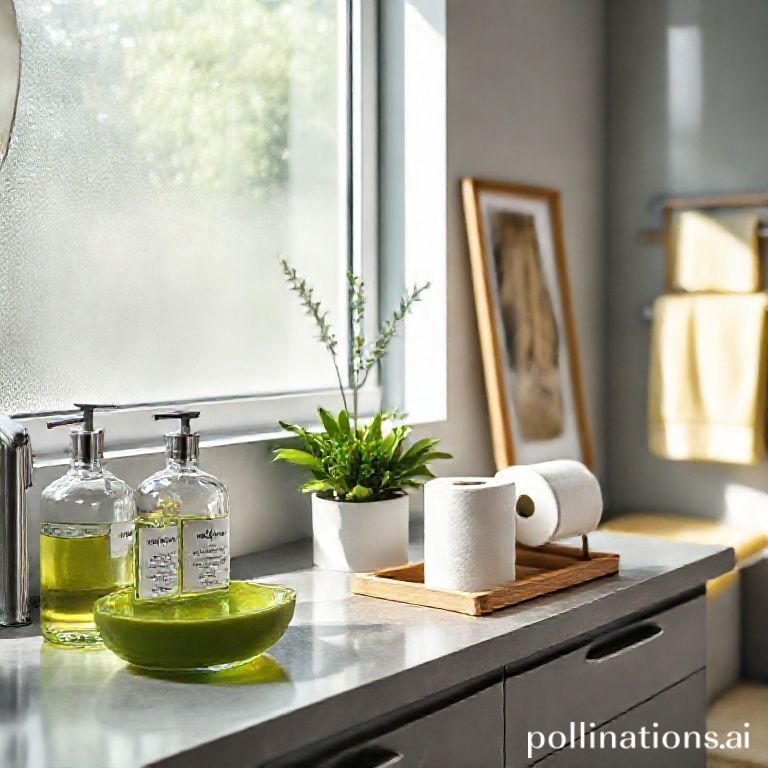
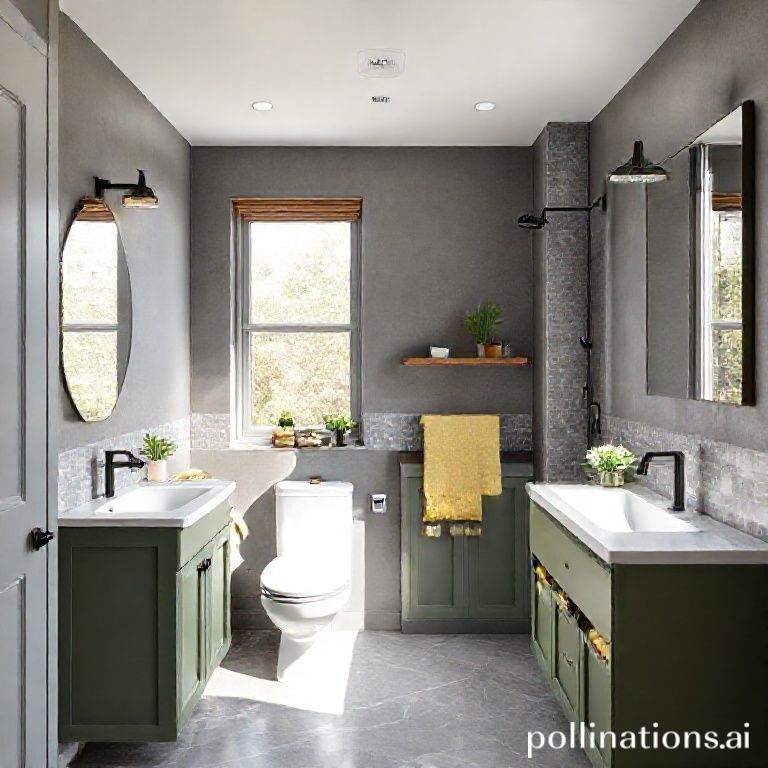
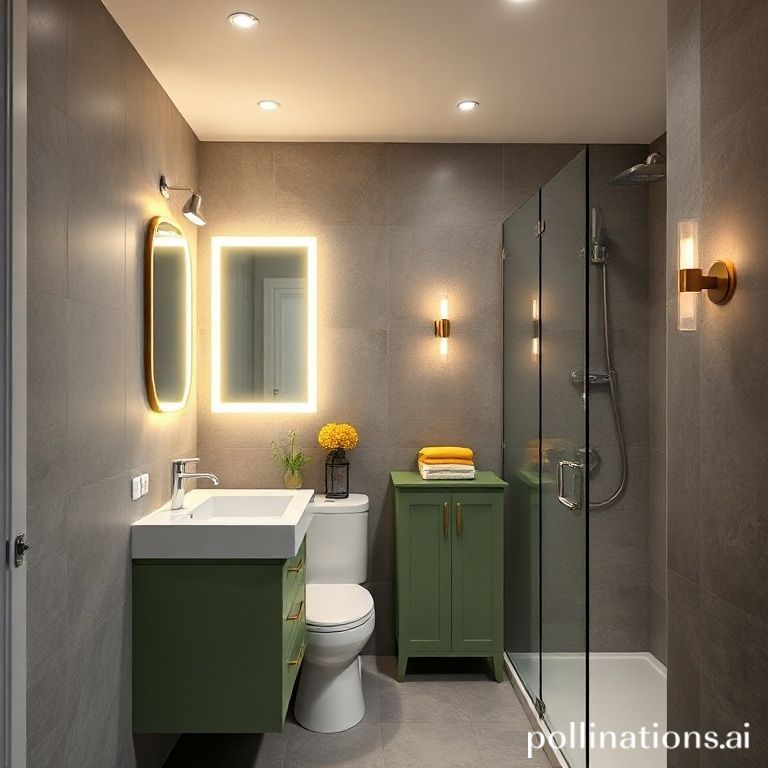
To make the best decision, consult with design experts who recommend incorporating your new low-flow showerhead into a cohesive bathroom design. Consider the overall theme and ensure that the showerhead matches the bathroom’s color scheme and design ethos, whether contemporary or modern. Accessories such as matching faucets, shelving, and towels can enhance the ambiance while keeping with sustainable home themes.
Conclusion: Elevating Comfort with Eco-Friendliness
Choosing the right low-flow showerhead is a significant step toward reducing water usage in your household while still enjoying a luxurious shower experience. By focusing on water efficiency, exploring various spray patterns, and understanding installation tips, you can make informed decisions that benefit both your family and the environment. Additionally, consider other eco-friendly bathroom upgrades that enhance your space and personality while demonstrating your commitment to sustainability.
For further bathroom renovations that reflect your style, explore our articles on contemporary bathroom design and sustainable materials. Embrace mindful living and transform your bathroom into a sanctuary of comfort and elegance.