Backyard decks have long served as personal oasis spaces, bridging the gap between the comfort of indoor living and the beauty of nature. In recent years, a surge in the emphasis on sustainability has inspired homeowners to seek eco-friendly materials that not only enhance the aesthetic appeal of their outdoor spaces but also reflect a commitment to environmental stewardship. This article delves deeply into the innovative use of sustainable materials in backyard deck designs, highlighting their benefits, various options, and design tips that can transform ordinary outdoor areas into stunning and functional retreats.
The Importance of Sustainability in Deck Design
As awareness of the ecological effects of conventional building materials has grown, the adoption of sustainable materials has become a central tenet of contemporary deck design. Sustainable materials are those that are sourced responsibly, have low environmental impact, and support the principles of durability and recyclability. By choosing eco-friendly options, homeowners contribute to reducing deforestation, lowering greenhouse gas emissions, and minimizing waste in landfills.
The modern homeowner increasingly prioritizes sustainable living; hence the design of outdoor spaces must reflect this vital ethos. According to home renovation specialists, adopting eco-friendly practices in outdoor design not only enhances the natural surroundings but also boosts property value and appeal. Indeed, eco-conscious buyers are often willing to pay a premium for homes that feature sustainable designs and materials.
Types of Sustainable Materials for Decks
When it comes to constructing a deck with sustainability in mind, there are several options available, each with unique benefits. Here, we explore some of the most innovative choices and how they can be utilized effectively in backyard designs.
1. Recycled Composite Decking
One of the most popular sustainable materials in decking is recycled composite lumber. This material comprises a blend of wood fibers and recycled plastics, creating a product that mimics the appearance of traditional wood without the drawbacks of high maintenance and vulnerability to the elements. Recent advancements have led to the creation of capped composite decking, which features a protective layer that enhances its stain, scratch, and fade resistance.
- Benefits: Long lifespan, low maintenance, and typically made from post-consumer waste.
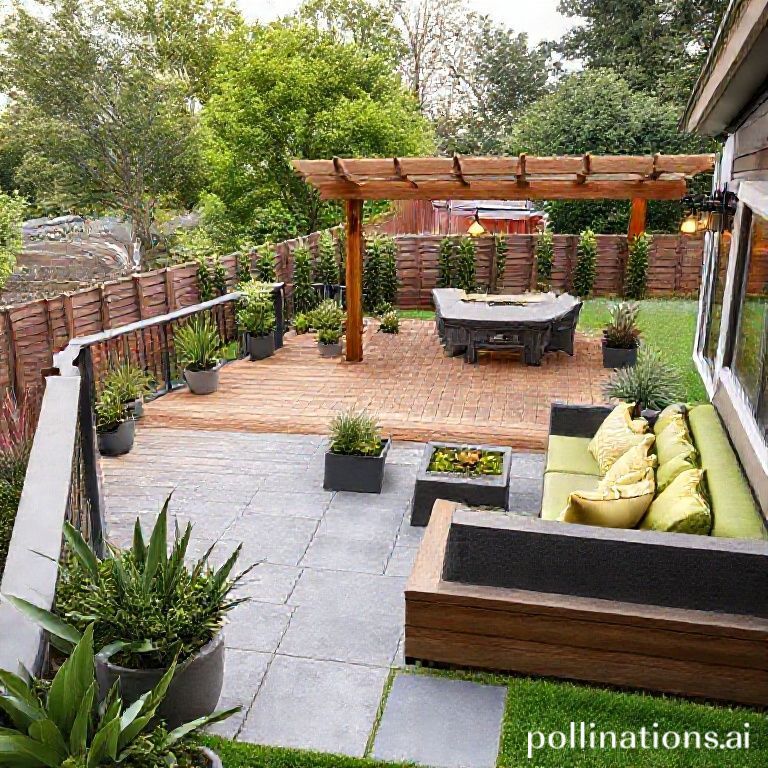
- Design Tip: Choose composite decking in earthy tones that harmonize with the natural surroundings, enhancing the overall aesthetic of your backyard.
2. Bamboo Decking
Bamboo is considered one of the fastest-growing plants on Earth, making it an exceptionally renewable resource for deck building. Bamboo decking is incredibly strong, resistant to mold, and can withstand extreme weather conditions. Moreover, its natural beauty and flexibility make it adaptable to various design aesthetics, from modern to rustic.
- Benefits: Rapid growth cycle, excellent durability, and an exotic appearance.
- Pro Tip: Incorporate bamboo into multi-level deck designs to create visual interest and separation within your outdoor space.
3. FSC-Certified Wood
The Forest Stewardship Council (FSC) certifies wood products that are sourced from responsibly managed forests. Using FSC-certified wood ensures that the timber has been harvested in a manner that is sustainable and ethical. Options such as cedar and redwood offer natural resistance to decay and pests, allowing for long-lasting deck solutions.
- Benefits: Natural beauty, environmentally friendly, and supports responsible forestry practices.
- Common Mistake to Avoid: Failing to finish FSC-certified wood can lead to premature weathering; always apply a protective sealant.
4. Metal Decking
While not as conventional as wood or composite options, metal decking, particularly aluminum, has emerged as a sustainable choice due to its recyclability and durability. Aluminum decks are resistant to rust, corrosion, and pests, making them a long-term solution for outdoor structures.
- Benefits: Low maintenance requirements and high durability, with a modern aesthetic that matches contemporary designs.
- Design Tip: Pair aluminum with wooden accents for a striking contrast that showcases both materials’ strengths.
Designing with Functionality in Mind
Creating an inviting deck space is not just about aesthetics; it is also about enhancing functionality. Modern outdoor living spaces should be designed as extensions of the home, accommodating a variety of activities such as entertaining, dining, and relaxing. By incorporating multi-purpose furniture and layout configurations, homeowners can maximize their outdoor experience.
Incorporating Multi-Functional Furniture
When designing your deck, consider investing in furniture that serves more than one purpose. For instance, benches that double as storage units are excellent for keeping cushions and garden tools organized while saving space. Additionally, collapsible tables and chairs make it easy to adapt the area for entertaining guests or hosting family gatherings.
- Pro Tip: Look for furniture made from sustainable materials, such as recycled plastics or responsibly sourced wood, to align with your eco-friendly commitment.
Enhancing Outdoor Living with Plants
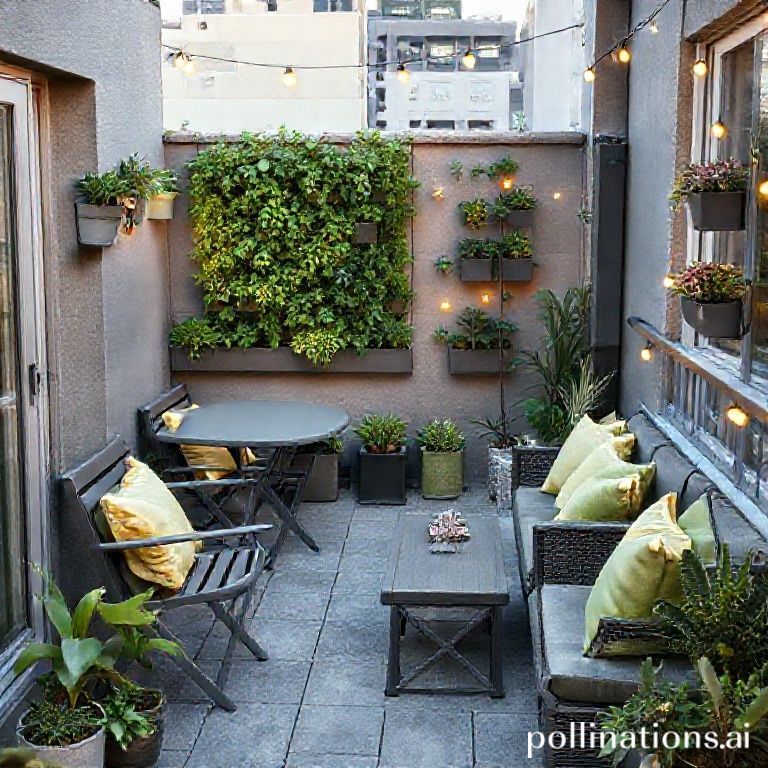
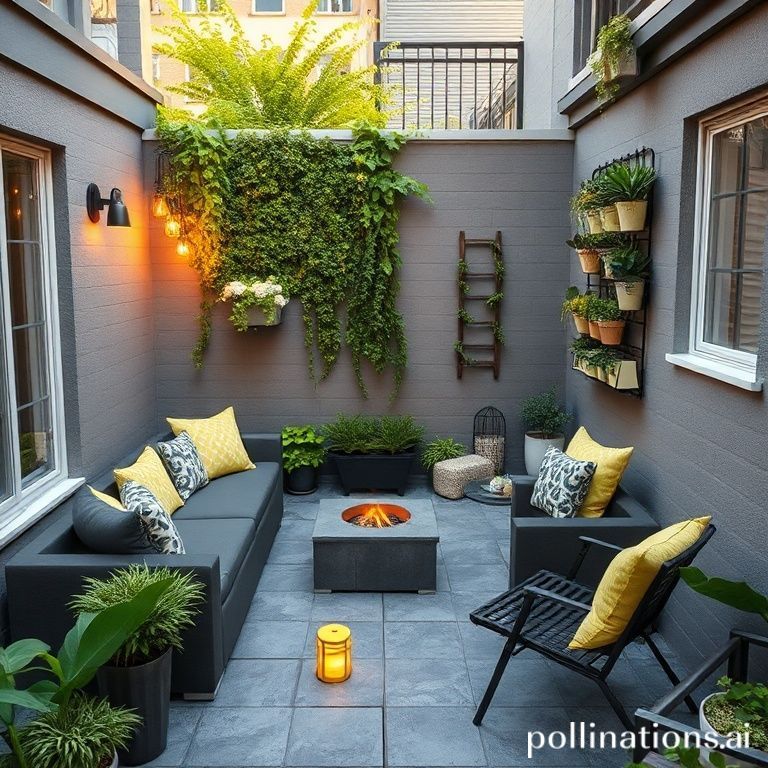
Integrating greenery into your deck design not only beautifies the area but also contributes to its sustainability. Potted plants, vertical gardens, and planter boxes made from reclaimed materials can enhance your outdoor space dramatically while promoting biodiversity. Selecting native plants that require less water and maintenance is an effective way to ensure that the garden complements the deck design sustainably.
Color Schemes that Capture Earth Tones
Utilizing earth tones in deck design reinforces the connection between the structure and the natural environment. Shades of browns, greens, and muted neutrals can create a seamless transition from indoor to outdoor spaces, fostering a sense of tranquility. When choosing colors, consider those that complement the materials used, as well as the existing landscape of your garden.
- Designer Insight: Opt for darker shades in shaded areas and lighter tones in sunny spots to create visual depth and harmony with your foliage.
Conclusion: A Bright Future for Sustainable Deck Designs
As homeowners increasingly seek to create engaging outdoor spaces that reflect their values, the demand for innovative, sustainable decking materials will continue to rise. By selecting eco-friendly options and integrating thoughtful design elements, you can create a backyard deck that is not only beautiful but also functional and environmentally responsible. For families looking to bring nature closer to home, the use of these sustainable materials is key in cultivating outdoor living spaces that offer enjoyment for years to come.
Are you ready to transform your backyard into a sustainable paradise? Explore additional tips on eco-friendly landscaping and outdoor decor that harmoniously align with your deck design.