When it comes to creating the perfect bedroom environment, the choice of color is paramount. The psychology of colors plays a significant role in shaping our emotions and mental well-being, influencing how we feel when we enter a space. This guide explores the impact of various hues on relaxation, creativity, and restful sleep, providing you with the necessary insights to select the right colors for your bedroom. Understanding that color selection is not merely an aesthetic choice but a crucial element in fostering a conducive atmosphere for your mood is essential. As we delve deeper into this topic, we’ll also explore styles such as Contemporary, Modern, Scandinavian, and Traditional, along with materials like fabric and wood that can enhance your bedroom’s ambiance. Let’s embark on this colorful journey together to transform your personal retreat into a sanctuary for your mind and body.
The Emotional Impact of Colors
Colors can evoke specific emotions and thoughts, influencing our mental state significantly. According to experts in color psychology, warm colors such as reds, oranges, and yellows are often associated with feelings of warmth and energy. However, these colors can also lead to feelings of anxiety if overused. On the other hand, cooler colors such as blues, greens, and purples are generally calming and can promote a sense of tranquility and relaxation, making them ideal for a bedroom environment.
Here’s a breakdown of how various colors can affect your mood:
- Blue: Often regarded as the most calming color, blue can lower heart rates and reduce stress, making it perfect for promoting restful sleep.
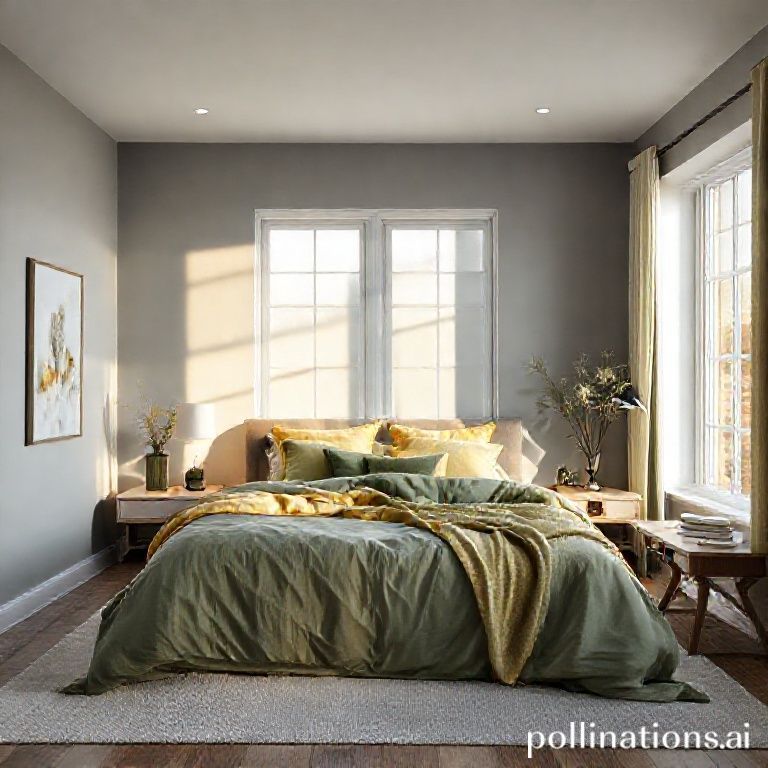
- Green: This color symbolizes nature and renewal. It can create a refreshing and soothing environment, fostering a sense of balance and harmony.
- Yellow: While bright and cheerful, yellow can be overwhelming in large doses. Consider using pastel yellows for a softer effect that inspires creativity without causing fatigue.
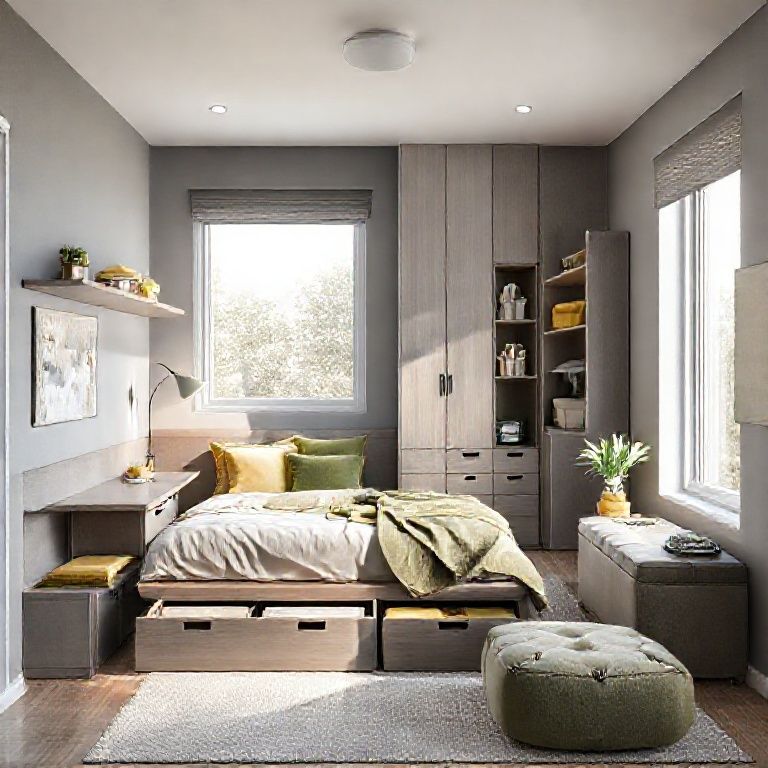
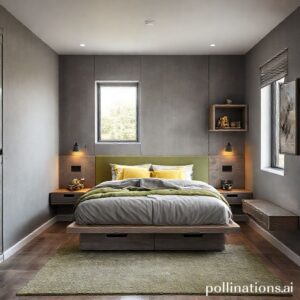
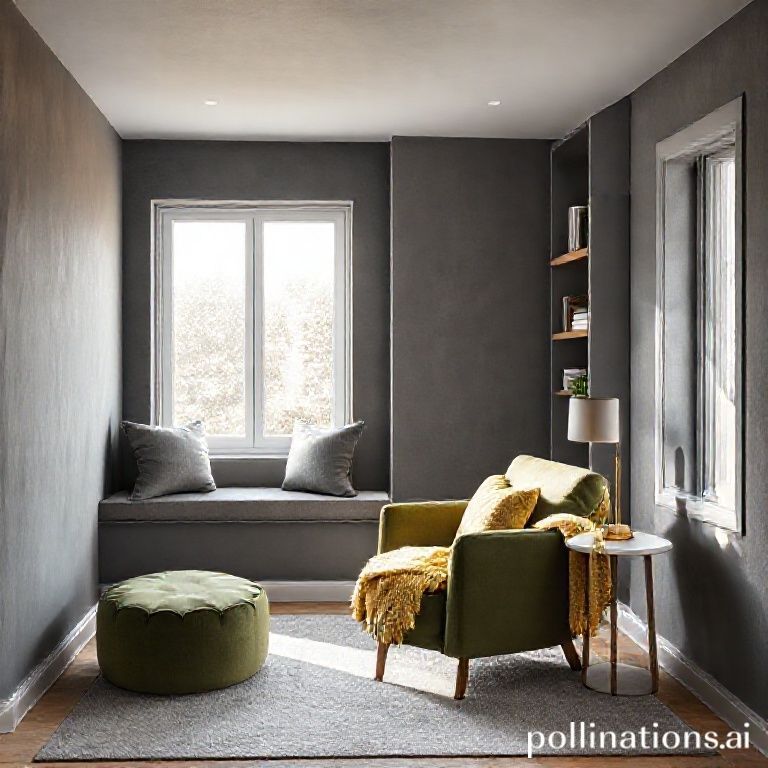
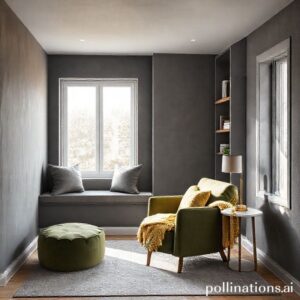
- Gray: A neutral color that can promote sophistication and calmness, gray works well in combination with brighter accent colors to create a balanced space.
- Purple: Associated with luxury and creativity, purple can stimulate imagination, making it a good choice for those looking to boost creativity in their space.
- White: Provides a sense of spaciousness and cleanliness but can sometimes feel sterile. Pair it with warmer tones to create a cozy atmosphere.
Choosing the Right Hues for Your Mood
When selecting colors for your bedroom, consider your lifestyle, preferences, and the emotions you wish to evoke. If relaxation is your ultimate goal, leaning towards cooler colors may be your best bet. However, if you’re aiming for a cozy yet vibrant atmosphere, integrating earth tones and pastels can successfully bridge the gap between energy and calm.
Strategies for Integrating Color into Your Bedroom
To effectively incorporate color into your bedroom, consider these strategies:
- Accent Walls: Create a focal point by painting one wall a bold color to draw the eye and enhance the room’s ambiance without overwhelming the space.
- Textiles and Fabrics: Use fabric in your chosen colors—such as curtains, bed linens, and throw pillows—to introduce softness and warmth. Colors can also be added through rugs or upholstered furniture for a dynamic effect.
- Artwork and Accessories: Incorporate art pieces and decor accessories that feature your color palette. This not only adds layers of texture but also allows for easy updates when you feel the need for a change.
- Layering Colors: Combine a few complementary colors to create depth and interest. Make sure to stay within a chosen palette to ensure harmony in the overall design.
Understanding Color Trends and Styles
Each design style holds its unique approach to colors. For instance, contemporary and modern styles often utilize crisp, clean colors to create a sense of simplicity and order. Scandinavian designs, with their emphasis on minimalism, often adopt soft neutrals combined with muted pastels to ensure warmth and comfort in the space. Traditional styles, meanwhile, tend to embrace richer, more saturated colors, reflecting history and classic elegance.
Color Schemes for Popular Bedroom Styles
Here’s how to effectively choose colors based on popular design styles:
- Contemporary: Focus on neutral shades with bold accent colors to create a fresh and vibrant atmosphere.
- Modern: Utilize a monochromatic palette with varying shades of a single color to emphasize simplicity and sophistication.
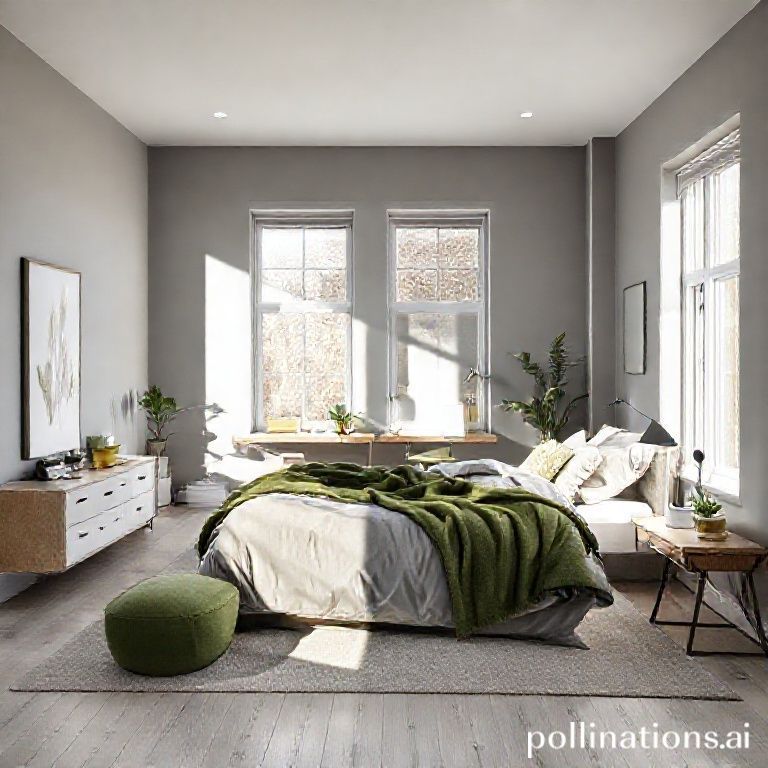
- Scandinavian: Soft whites, grays, and muted pastels dominate this style, creating a serene and airy feeling.
- Traditional: Deep, warm hues complement classic wooden furniture and ornate detailing, invoking a sense of timelessness.
Pro Tips for Selecting Bedroom Colors
1. Test Samples: Always sample color swatches on your walls and observe them at different times of the day. Natural light can drastically change the way a color looks.
2. Consider Room Size: Larger rooms may benefit from darker hues, while smaller spaces tend to feel more open with lighter colors.
3. Texture Matters: The finish of your paint can alter perceptions; a matte finish might absorb light, while a glossy finish reflects it, affecting the overall mood.
4. Incorporate Personal Touches: Select colors that resonate with your personal experiences, as familiarity can enhance your emotional connection to the space.
Common Mistakes to Avoid
While selecting bedroom colors, it’s easy to make common mistakes that can detract from the desired effect. Avoid the following pitfalls:
- Neglecting Lighting: Always consider how different lighting throughout the day will modify your chosen colors. What looks delightful in natural light may appear drastically different under artificial lighting.
- Overthinking Combinations: Simplicity is key. Too many clashing colors can confuse the senses; stick to a cohesive palette that complements rather than competes.
- Ignoring Personal Preferences: Trends come and go, but your bedroom should reflect your taste. Prioritize personal comfort over fleeting fashions.
The Role of Materials in Color Choices
Materials like fabric and wood play a crucial role in how color interacts within your bedroom. For instance, warm woods can add depth and texture to a room painted in cooler tones, while soft fabric textures in bedding or upholstery can create cozy layers against painted walls. Choosing materials that enhance your color scheme can further enrich the visual and tactile environment of your bedroom.
Combining Colors with Materials
The synergy between colors and materials can elevate a bedroom’s aesthetic. Here are a few ideas:
- Fabric: Soft linens in pastel colors can create a calming effect, while vibrant throw pillows can introduce warmth without overwhelming the senses.
- Wood: Light-colored woods can help reflect natural light, while darker woods add an element of sophistication and grounding to the space.
Conclusion: Create Your Dream Bedroom
Color selection is not just about aesthetics; it’s a psychological journey that influences our emotions and behavioral patterns deeply. By understanding the psychological effects of different colors and how they interact with various materials and design styles, you can transform your bedroom into a sanctuary that aligns with your personality and needs. Remember, the perfect hue can elevate not only the beauty of your space but also enhance your state of mind, leading to a more peaceful and rejuvenating environment for relaxation and sleep.
Ready to embark on your journey toward a beautifully colored bedroom? Check out our other interior design articles for more tips on creating a harmonious home environment that reflects your personal style and well-being. Whether you are redesigning for the tranquil Scandinavian vibe or the timeless elegance of Traditional decor, your choices can make all the difference.