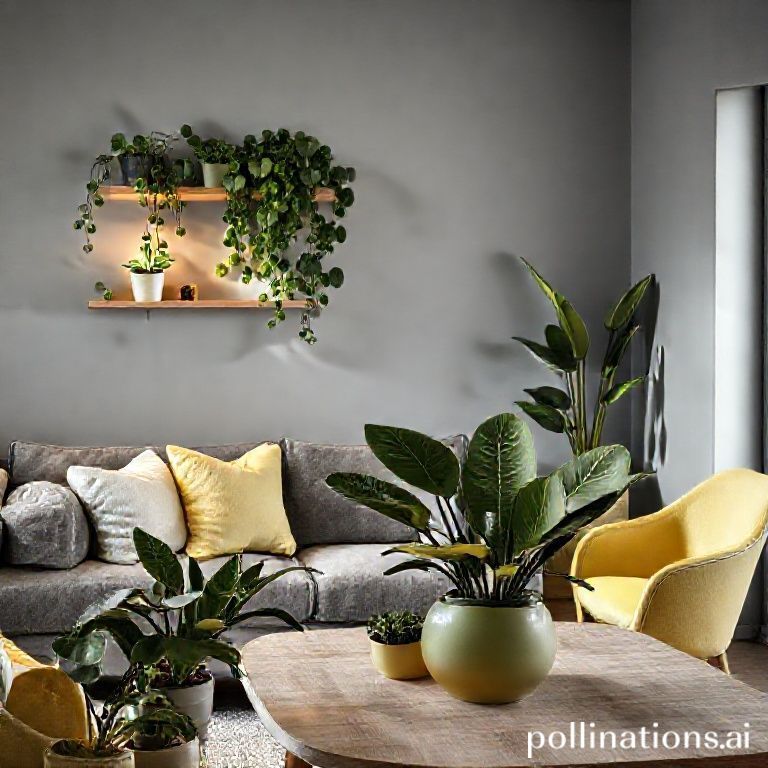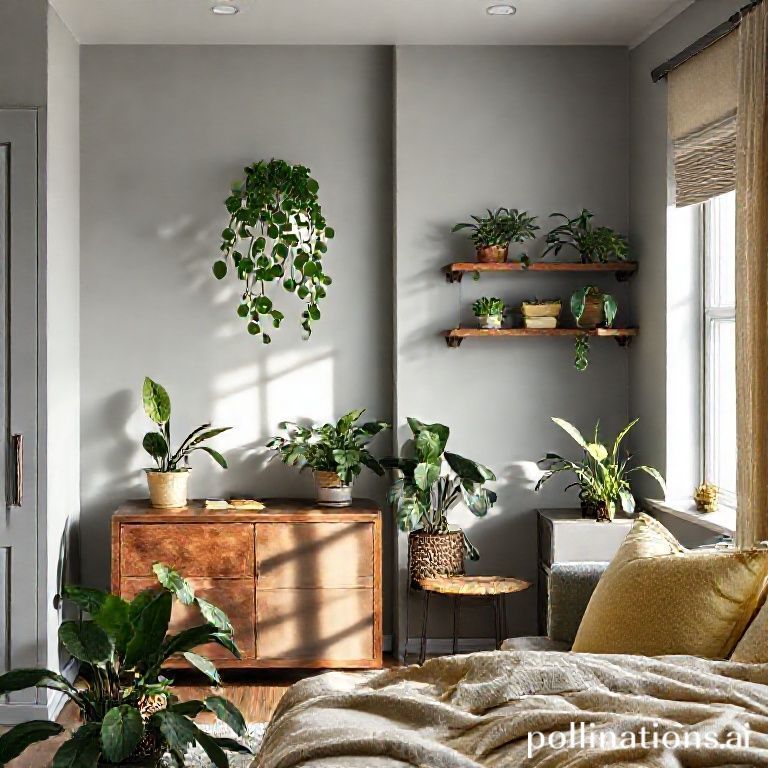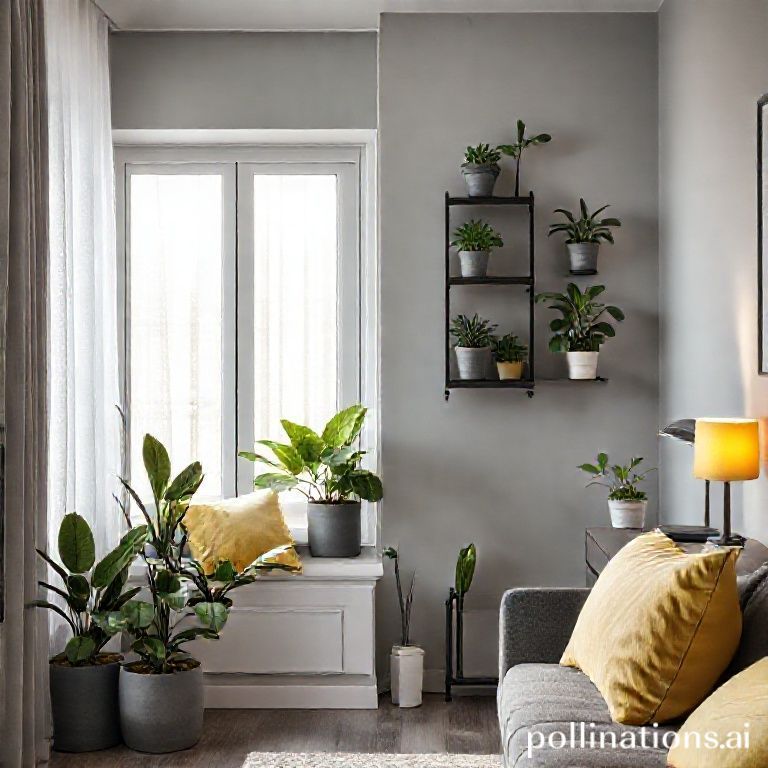
In today’s urban lifestyle, where most apartments tend to feature limited natural light, the demand for low-light indoor plants has surged. Selecting the right greenery can transform your home environment, promoting wellness and enhancing aesthetic appeal. This guide explores some of the best indoor plants for low-light apartments, delving into their care tips, benefits, and importance in creating healthier living spaces.
Why Low-Light Indoor Plants Matter
For many residents living in apartments, natural light can be scarce. This condition often discourages individuals from incorporating plants into their homes, which has been proven to enhance air quality and promote mental well-being. Low-light indoor plants not only thrive in dim environments, but they also help purify the air, making them vital for singles, students, and pet owners who seek a touch of nature amid urban living.
The Benefits of Incorporating Plants into Your Home
- Improved Air Quality: Plants absorb carbon dioxide and release oxygen, contributing to cleaner indoor air. Studies suggest that certain houseplants can filter specific toxins from the air.
- Boost in Mood: Exposure to greenery has been linked to reduced stress and anxiety. Plants such as the Snake Plant and Pothos are known for their soothing effects.
- Aesthetic Appeal: Indoor plants add color and life to your apartment, helping to create a comfortable and inviting environment.
- Easy Maintenance: Many low-light plants require minimal care, making them perfect for busy individuals who may lack a green thumb.
Top Low-Light Indoor Plants for Apartments
Let’s explore some of the best low-light indoor plants that will thrive with minimal sunlight while enhancing your living space’s aesthetic appeal.
1. Snake Plant (Sansevieria)
Also known as Mother-in-Law’s Tongue, the Snake Plant is exceptionally resilient and can tolerate various conditions. Its upright, sword-like leaves add a modern touch to any room. Snake Plants are ideal for beginners and can survive with infrequent watering.
- Light Requirement: Thrives in low to bright indirect light.
- Watering: Water every 2-6 weeks depending on the season; ensure soil is dry before watering.
- Benefits: It purifies air by removing toxins such as formaldehyde and benzene.
2. Pothos (Epipremnum aureum)
Pothos is a highly adaptable plant with beautiful trailing vines, perfect for shelves or hanging baskets. Known for its ability to filter indoor pollutants, this plant is a favorite among homeowners.
- Light Requirement: Tolerant of low light but flourishes under indirect sunlight.
- Watering: Allow the top inch of soil to dry out before watering. Pothos is forgiving of occasional neglect.
- Benefits: Efficient at reducing indoor air pollutants; great for apartment dwellers.
3. ZZ Plant (Zamioculcas zamiifolia)
The ZZ Plant is renowned for its glossy, dark green leaves and its exceptional tolerance to neglect. It’s perfect for those who are often busy or for students with hectic schedules.
- Light Requirement: Thrives in low light but can also adapt to bright, indirect light.
- Watering: Very drought-tolerant; water every 2-3 weeks, allowing soil to dry out completely.
- Benefits: Improves air quality and requires minimal care.
4. Peace Lily (Spathiphyllum)
This elegant plant not only boasts stunning white flowers but also absorbs harmful toxins from the air. The Peace Lily is perfect for enhancing the ambiance of any room.
- Light Requirement: Prefers low to moderate indirect light; avoid direct sunlight.
- Watering: Keep the soil moist, but not soggy; water once a week.
- Benefits: Known for its ability to improve indoor air quality significantly.
5. Spider Plant (Chlorophytum comosum)
This resilient plant is characterized by its arching leaves and baby spider-like offshoots, offering a unique visual appeal. Spider Plants are perfect for those who want to propagate and expand their indoor plant collection.
- Light Requirement: Adaptable to various light conditions, including low light.
- Watering: Allow the top inch of soil to dry out between waterings.
- Benefits: Effective at removing indoor pollutants and boosts humidity levels.
Care Tips for Low-Light Indoor Plants
Understanding the unique care requirements of low-light plants is essential to ensure their longevity and vibrancy. Here are some key care tips:
- Plant Placement: Position your plants away from heating vents and air conditioners to avoid temperature extremes.
- Soil and Drainage: Utilize a well-draining potting mix to prevent root rot. Ensure pots have drainage holes.
- Watering Schedule: Develop a consistent watering schedule, but always assess the soil moisture before watering. Overwatering is a common mistake that can harm even the hardiest plants.
- Fertilizing: Feed your plants with a balanced liquid fertilizer every 4-6 weeks during the growing season (spring and summer).
Designer Insight: Choosing the Right Pot and Placement
When selecting pots for low-light indoor plants, consider opting for eco-friendly materials that blend seamlessly with your space. Neutral and earth tones can complement modern, contemporary designs while enhancing the overall aesthetics. Additionally, placing plants in groups can create a beautiful statement while maximizing their collective air-purifying effects.
Common Mistakes to Avoid
- Overwatering: Many new plant owners tend to overwater their plants, thinking they need more moisture. Always check soil dryness first.
- Ignoring Light Conditions: While many plants can tolerate low light, each has its threshold. Pay attention to each plant’s specific needs.
- Neglecting to Dust Leaves: Dust accumulation can block sunlight from reaching the leaves and can hinder photosynthesis; gently wipe leaves regularly.
Final Thoughts
Bringing low-light indoor plants into your apartment offers a myriad of benefits that extend beyond mere aesthetics. They purify the air, improve mood, and contribute to a vibrant living environment. As you embark on your indoor gardening journey, remember to choose plants that fit your lifestyle and care capabilities. Invest in quality pots, adopt proper care techniques, and enjoy the myriad of advantages these beautiful plants can bring to your home.
If you’re looking to further explore indoor gardening or wish to discover more about contemporary plant styles, feel free to check out our detailed posts on sustainable gardening practices and the best plants for apartments that cater to pet owners as well!