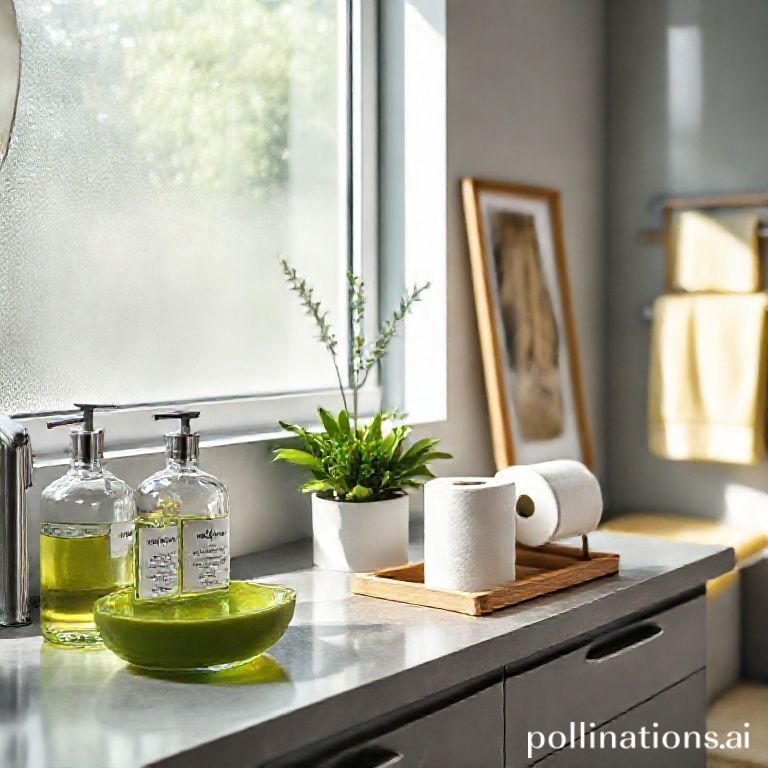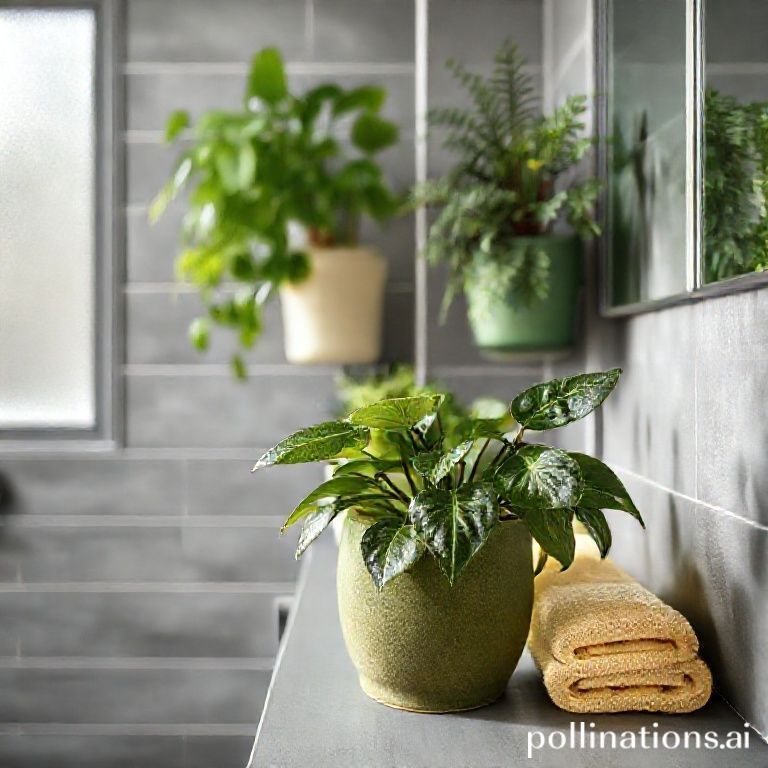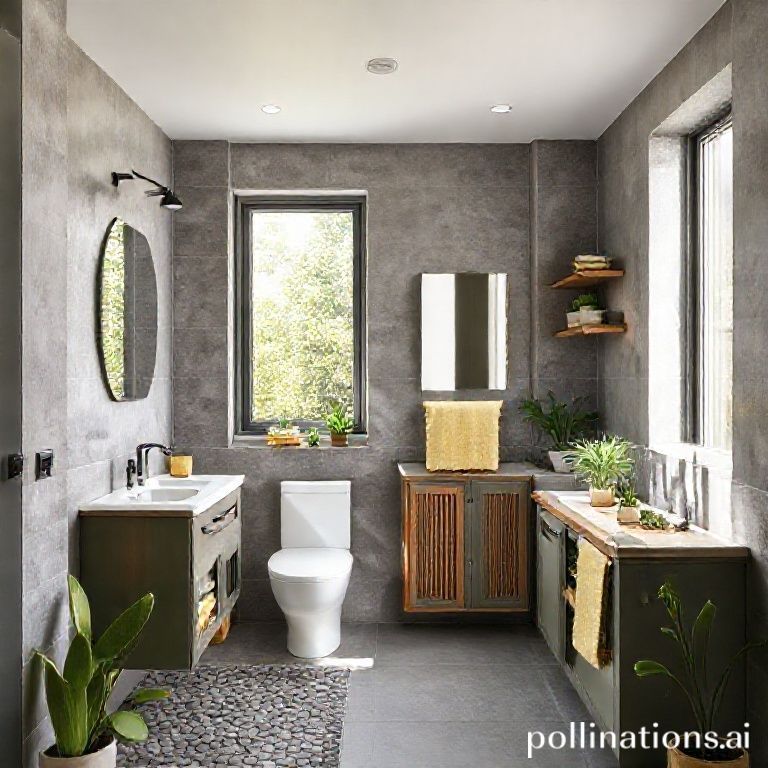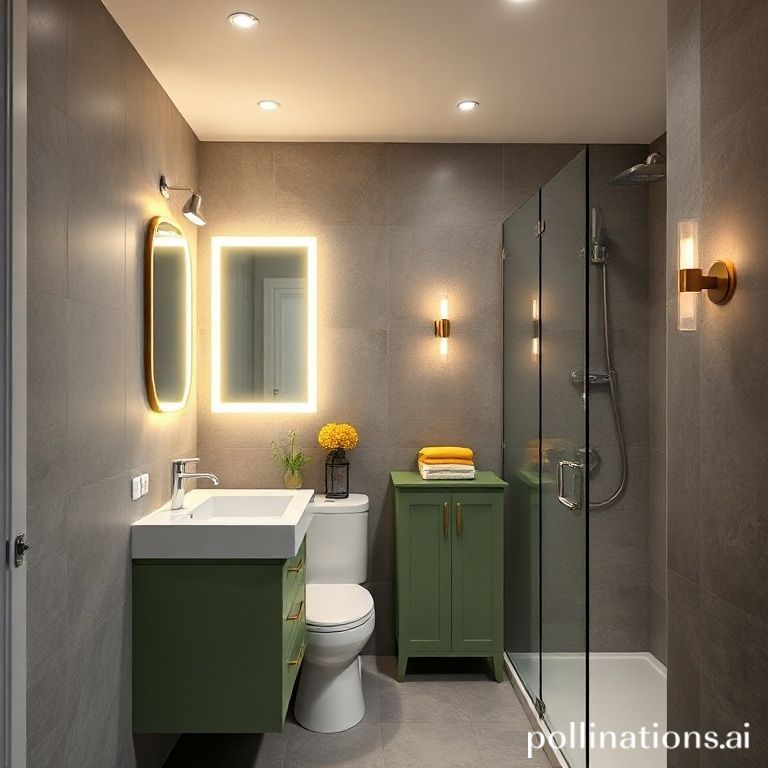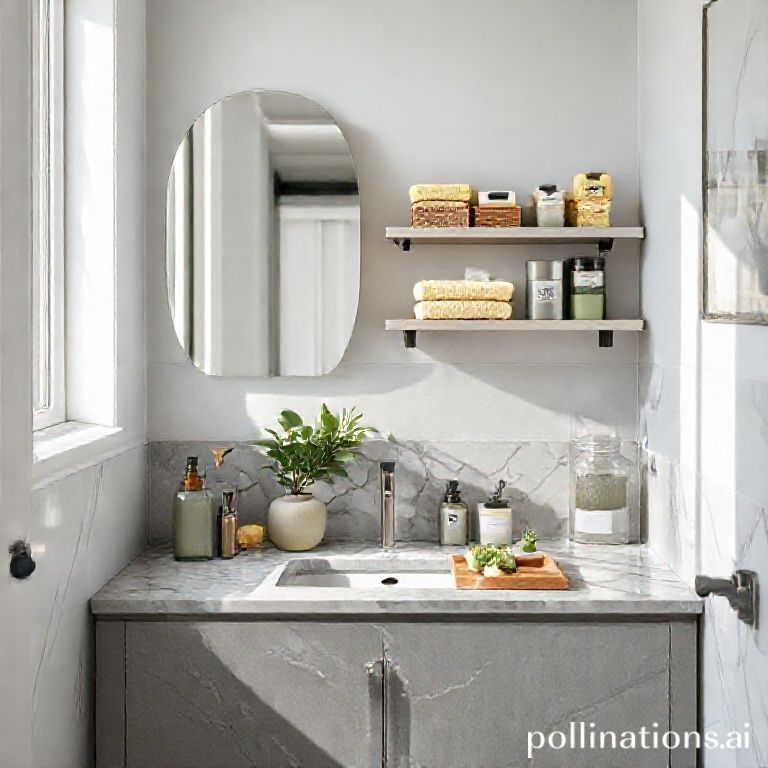
In today’s world, the call for sustainable living practices is louder than ever, with individuals increasingly seeking ways to reduce their environmental footprint. The bathroom, often an overlooked space in terms of eco-friendliness, can be one of the easiest areas in our homes to implement sustainable changes. By swapping out conventional products for eco-friendly alternatives, not only can we enhance our living spaces, but we can also make choices that significantly benefit both our health and the planet. This comprehensive guide delves into practical tips and sustainable alternatives to common bathroom products, ensuring you can transition to a greener lifestyle effortlessly.
Why Choose Eco-Friendly Products for Your Bathroom?
The bathroom is filled with various products, many of which contain harmful chemicals that can affect your health and the environment. Traditional cleaning products, personal care items, and even some fixtures contribute to water pollution and excessive waste. By opting for eco-friendly bathroom swaps, you’re making a conscious decision to protect our ecosystems and promote your well-being.
According to sustainable living advocates, eco-friendly products are formulated with biodegradable ingredients that minimize environmental damage. They also come in sustainable packaging, reducing plastic waste and promoting a circular economy. As we gravitate towards green living, choosing sustainable products in our bathrooms represents a significant step towards a healthier lifestyle and a greener planet.
Sustainable Toiletries: Transform Your Daily Routine
The personal care sector is notorious for its reliance on single-use plastics and synthetic chemicals. However, a wide range of eco-friendly alternatives exists, making it possible to indulge in self-care while being kind to the earth.
1. Bar Soap vs. Liquid Soap
- Benefits: Bar soaps generally come with less packaging and are free from harmful preservatives found in many liquid soaps, such as parabens.
- Eco-Friendly Brands: Look for brands that use organic ingredients and focus on using minimal, recyclable packaging.
- Pro Tip: Consider buying in bulk to reduce packaging waste and save costs simultaneously.
2. Shampoo and Conditioner Bars
- Benefits: Shampoo and conditioner bars reduce plastic waste significantly as they often come without plastic containers.
- Varieties: There are options tailored for various hair types, so be sure to select one suited for your specific needs.
- Common Mistake to Avoid: Some users may initially find solid bars less lathering; however, the effectiveness typically improves with regular use.
Eco-Friendly Cleaning Supplies: Green Your Bathroom with Ease
Cleaning supplies are essential for maintaining a hygienic bathroom, but many traditional products contain harsh chemicals that can harm both the environment and our health. Here are some swaps that can make a difference.
3. Natural Cleaning Products
- Ingredients to Look for: Vinegar, baking soda, and essential oils are perfect natural alternatives for disinfecting and cleaning.
- DIY Solutions: Mix equal parts of vinegar and water in a spray bottle for a great all-purpose cleaner. For tough stains, sprinkle baking soda on surfaces before scrubbing.
- Designer Insight: Interior designers endorse the aesthetic appeal of using DIY cleaning solutions, as they enhance the natural and minimalistic vibe of modern bathrooms.
4. Reusable Cleaning Cloths
- Benefits: Instead of disposable paper towels, consider investing in microfiber cloths or even old cotton t-shirts that can be washed and reused.
- Pro Tip: Color-code your cloths for different cleaning tasks to prevent cross-contamination.
Water Conservation: Sustainable Fixtures and Techniques
Water efficiency is critical in promoting sustainable living. With simple adjustments to fixtures and habits, you can significantly cut down on water use in your bathroom.
5. Low-Flow and Dual-Flush Toilets
- Benefits: These modern toilets drastically reduce water usage, with some models conserving up to 60% more water than traditional toilets.
- Long-Term Savings: Over time, this leads to lower water bills, making them budget-friendly as well.
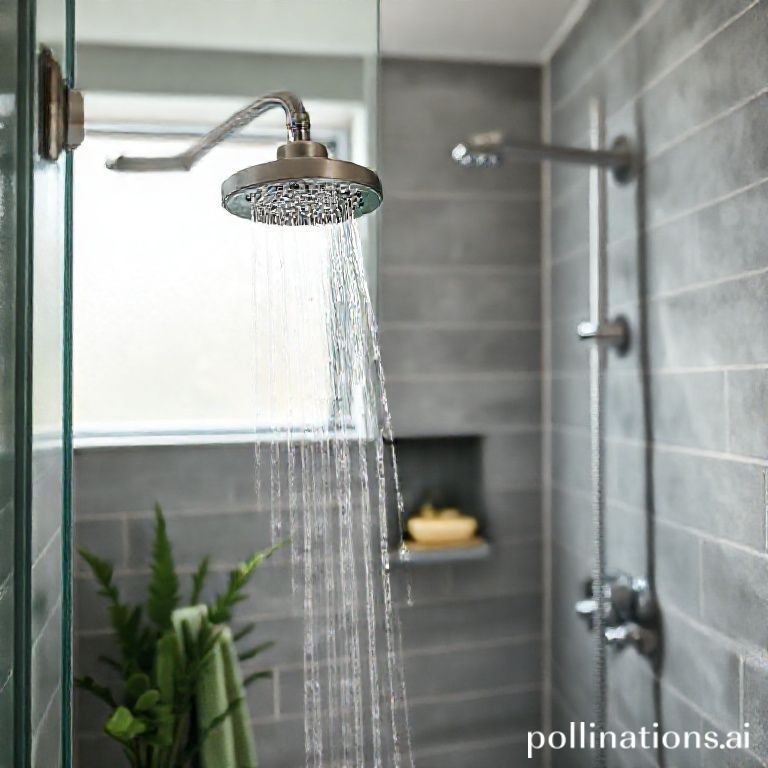
6. Water-Saving Showerheads
- Efficiency: Low-flow showerheads can save gallons of water without sacrificing water pressure, making showering sustainable and enjoyable.
- Common Mistake to Avoid: Don’t overlook the importance of regular maintenance to prevent leaks, which can waste significant amounts of water.
Eco-Conscious Decor: Stylish and Sustainable Choices
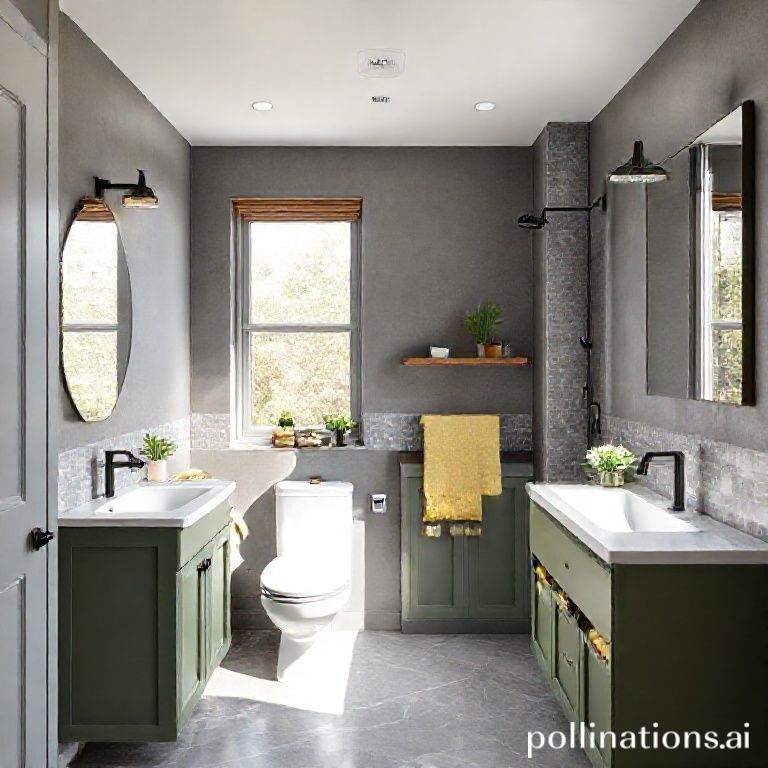
Transforming your bathroom into an eco-friendly oasis does not require compromising on aesthetics. There are numerous sustainable materials available that enhance both style and environmental responsibility.
7. Bamboo Accessories
- Benefits: Bamboo is a fast-growing, renewable resource, making it an ideal alternative for toothbrushes, soap dishes, and bathroom mats.
- Aesthetics: The natural tones of bamboo complement various decor styles, adding warmth and earthiness to your bathroom.
8. Recycled Materials
- Options: Look for vanities, countertops, and tiles made from recycled materials. These not only reduce waste but also lend a unique character to your space.
- Pro Tip: Seek local craftsmen who specialize in using reclaimed wood or recycled materials to create bespoke pieces that support local economies.
Waste Reduction: Sustainable Practices in Disposal
It’s critical to think about how you’re disposing of bathroom products to minimize waste impact. Here are some strategies to cultivate a more sustainable disposal routine.
9. Recycle What You Can
- Materials: Many of the items in your bathroom can be recycled, including plastic containers, empty toiletry tubes, and cardboard packaging.
- Common Mistake to Avoid: Always check local recycling guidelines to ensure you’re disposing of materials correctly, as improper recycling can lead to contamination.
10. Composting Options
- Biodegradable Products: Swap traditional personal care products for biodegradable options where possible, such as dental floss or cotton swabs.
- Pro Tip: If you have access to a compost bin, certain organic waste generated in your bathroom can be composted, reducing landfill contribution significantly.
Final Thoughts and Call to Action
Transitioning your bathroom to be eco-friendly is a rewarding journey that supports sustainable living. By embracing these alternatives, you’ll not only contribute to a healthier planet but also create a serene space that reflects your values. Remember that every small change makes a big difference, and by advocating for sustainable practices, you encourage others to join the movement. Explore further resources on green living and discover more ways to enhance your home while being kind to the Earth. Visit our blog for additional insights and make your space a sanctuary that resonates with sustainability.