In an age where sustainable practices and creative expression are more important than ever, repurposing old furniture into unique planters has become a highly sought-after DIY project. This endeavor not only transforms discarded items into beautiful garden decor but also contributes to a more sustainable approach to home improvement. By giving new life to old furniture, families and individuals alike can add a touch of personal charm to their gardens while aligning with eco-friendly practices.
Why Repurpose Old Furniture?
Repurposing old furniture provides an opportunity to exercise creativity and resourcefulness. In a world increasingly focused on sustainability, utilizing what you already have reduces waste and cuts down on manufacturing new items. Furthermore, each piece you transform has a unique story, adding character and a sense of nostalgia to your garden space. As many homeowners are choosing to embrace unique decorative styles, repurposed furniture can epitomize aesthetics such as Rustic, Farmhouse, and Bohemian.
Benefits of Using Repurposed Furniture as Planters
- Eco-Friendly: By recycling old furniture, you’re contributing to a healthier planet.
- Cost-Effective: Utilizing items you already own reduces the need to purchase new planters.
- Multi-Purpose Furniture: Old furniture can serve various functions in your garden, marrying form and function.
- Customizable: Personalize your planters to match your garden’s style.
Selecting the Right Furniture
When embarking on your journey to transform old furniture into planters, the first step is to choose the right pieces. Not all furniture is suitable for this purpose. Design experts suggest looking for items that offer sufficient space for planting and have a structure that can support soil and plants. Here are some popular options:
Best Furniture Pieces for Repurposing
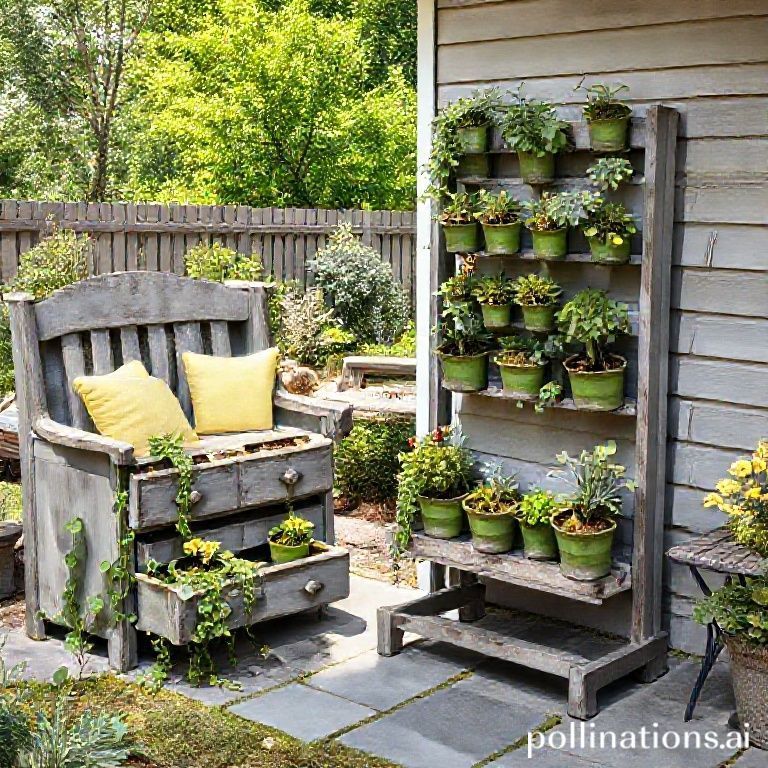
- Chests of Drawers: Ideal for vertical gardening, these can be a unique focal point.
- Wooden Crates: These can be stacked or arranged to create charming raised beds.
- Old Chairs: Perfect for creating quirky, eye-catching planters, they can be suspended or left on the ground.
- Bookshelves: Add height and dimension to your garden by transforming an unused bookshelf into a planter.
Step-by-Step Guide to Creating Your Planters
Once you’ve selected your furniture piece, it’s time to get started on your DIY planter project. Here’s a detailed, step-by-step guide to help you through the process:
1. Gather Materials and Tools
Before starting your transformation, gather the necessary materials and tools. You’ll typically need:
- Old furniture piece
- Sandpaper or a sander
- Exterior wood paint or stain (preferably eco-friendly)
- Plastic liner or landscape fabric (to prevent soil from spilling out)
- Potting soil and plants of your choice
- Drill (for drainage holes)
2. Prepare the Furniture
Begin by cleaning the furniture thoroughly. If necessary, sand it down to remove any peeling paint or rough edges. Make sure the surface is smooth to the touch. This step is vital, especially if you choose to stain or paint the piece, as it ensures an even application.
3. Create Drainage
Drainage is crucial in ensuring the health of your plants. If there are no existing drainage holes, use a drill to create several holes in the bottom and sides of the furniture piece. This allows excess water to escape, preventing root rot and promoting plant health.
4. Line the Inside
To enhance the durability of your planter, line the interior with plastic or landscape fabric. This prevents soil from escaping and protects the furniture from moisture damage over time. If using fabric, ensure it allows for adequate drainage while still holding the soil in place.
5. Add Your Plants
Once lined, fill the planter with potting soil. Choose plants that suit your environment and desired aesthetic. Consider herbs, succulents, or colorful blooming flowers that align with your garden’s color scheme, such as earthy tones or neutral palettes associated with Rustic, Farmhouse, or Bohemian styles.
6. Final Touches
Paint or stain the exterior of the furniture if desired, allowing it to dry completely before placing it outside. You can embellish it further with additional decorative elements, such as stenciled designs, or natural twine for a rustic touch.
Designer Insight: Creating a Cohesive Garden Design
As you incorporate repurposed furniture planters into your garden, consider the overall aesthetics of your space. Many homeowners choose to harmonize their new planters with existing garden elements. For instance, if you have a rustic stone path, selecting furniture that complements those colors can create a cohesive design. Mix plant types and colors to maintain interest throughout the seasons, ensuring your DIY decor is a continuous source of joy throughout spring and summer.
Pro Tips for Successful Repurposing
- Consider the weight of soil and plants; ensure your furniture piece can support it adequately.
- Use eco-friendly materials for a sustainable approach to your gardening.
- Test different combinations of plants for visual and textural diversity.
Avoiding Common Mistakes
While embarking on your DIY journey, be mindful of some frequent pitfalls. A common mistake to avoid is overwatering your plants; make sure your drainage is adequate. Also, be cautious about the type of wood used in your furniture—some may not hold up well against moisture if not treated correctly. Lastly, always consider the sun requirements of your chosen plants in relation to their new location.
Conclusion: Embracing the Charm of Upcycled Garden Decor
Repurposing old furniture into unique planters is not just a creative outlet; it’s a way to embrace sustainable living and enhance the beauty of your garden. By following this guide, utilizing DIY planters, and infusing your own flair into your outdoor space, you can create not only a stunning garden but also a lasting testament to your commitment to eco-friendly practices. For more inspiration on sustainable decor, consider exploring different garden styles or materials that can complement your newly crafted planters, such as wooden garden furniture or eco-friendly fabrics for outdoor cushions.
Start your journey today and transform your garden into a picturesque haven that reflects your style and dedication to sustainable living!