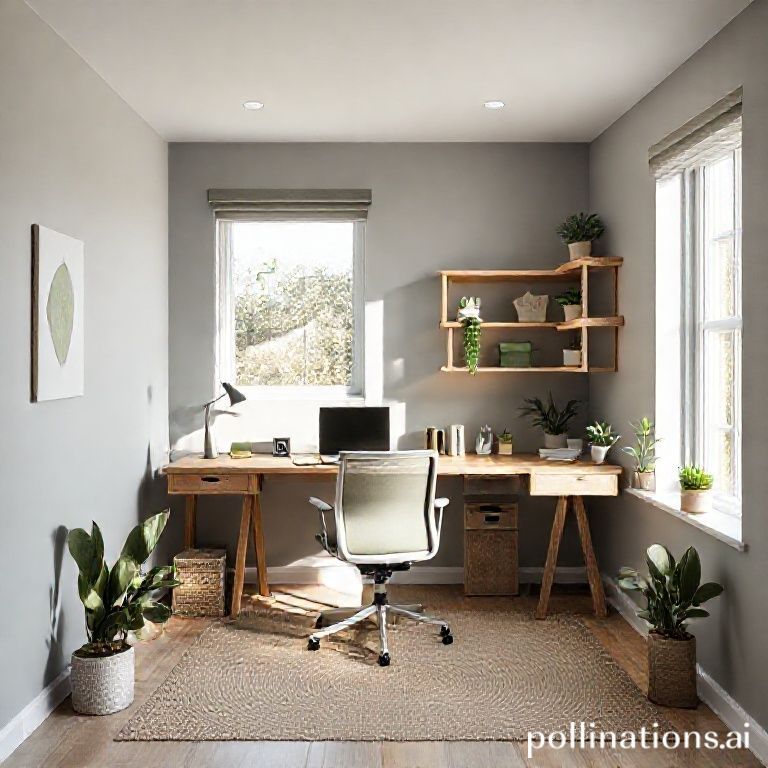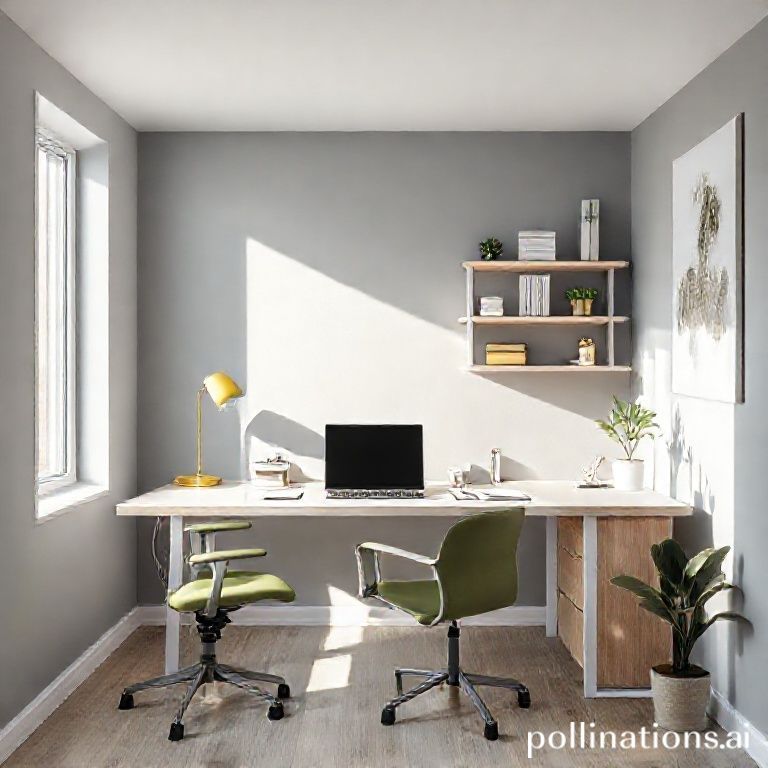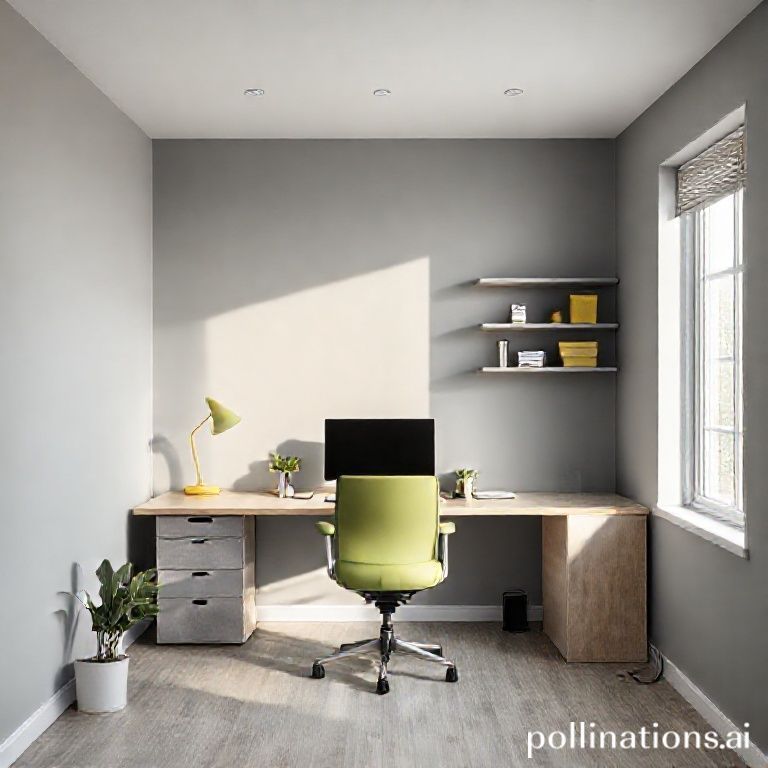
Creating a minimalist home office is not just about aesthetics; it’s a lifestyle choice that fosters clarity and productivity. In a world cluttered with distractions, particularly in our workspaces, minimalism serves as a sanctuary—an invitation to focus on what truly matters. This article delves into the essence of a minimalist home office, exploring its benefits, furniture choices, and practical steps to declutter your workspace, all with the aim of enhancing your productivity and well-being.
Understanding Minimalism in Home Office Design
Minimalism originated in the late 20th century as a reaction to the overindulgence of materialism and the complexities of modern living. It emphasizes simplicity, functionality, and the beauty of empty space. According to design experts, minimalism is not merely about having fewer items but involves a thoughtful selection of necessary objects that contribute to one’s life. In the home office, this philosophy translates into a workspace that is clean, organized, and devoid of unnecessary distractions.
Why Minimalism Matters for Your Home Office
The benefits of a minimalist home office are multi-faceted. Firstly, it enhances productivity by providing a distraction-free environment. Studies show that clutter can impede focus and creativity, making it difficult to accomplish tasks efficiently. By reducing visual noise, you create a space that encourages clear thinking and concentration.
Furthermore, minimalism promotes mental well-being. A tidy, organized workspace can lower stress levels, leading to a more pleasant working experience. According to home renovation specialists, the clarity found in a minimalist design can enhance decision-making capabilities and foster a more profound sense of calm.
Key Elements of a Minimalist Home Office
To create an effective minimalist home office, certain fundamental components come into play. These elements will help you design a space that is not only functional but also visually appealing.
1. Decluttering: The First Step
Decluttering is the cornerstone of minimalism. Here are practical steps to transform your workspace:
- Assess Your Needs: Begin by evaluating what items are essential for your work. Remove anything that does not directly contribute to your productivity.
- Organize Papers and Supplies: Use storage solutions like labeled boxes or file organizers to keep necessary documents and supplies tidy and out of sight.
- Limit Decorative Items: Choose a few meaningful decorations. These should resonate with you or inspire creativity, rather than add to visual clutter.
2. Selecting the Right Furniture
Choosing the right furniture is crucial in a minimalist home office. Aim for pieces that balance aesthetics and functionality.
- Desk: Select a simple desk that meets your workspace needs without overwhelming the room. Consider styles like Scandinavian or contemporary designs that emphasize clean lines and modest profiles.
- Chair: An ergonomic chair that promotes good posture is essential, but it should also blend seamlessly with your minimalist aesthetic, opting for natural materials like wood or metal.
- Storage Solutions: Look for multifunctional furniture pieces, such as a desk with built-in storage or shelves that can hold both books and decorative items.
3. Color Palette and Visual Harmony
Creating a serene atmosphere can be achieved through a monochrome or neutral color palette. Colors have a profound impact on mood; thus, choosing calming tones like whites, greys, and soft pastels can contribute to a peaceful working environment.
“Design experts suggest” coordinating your workspace colors with natural materials such as wood, metal, or glass to create a cohesive look. This aligns with modern minimalism and helps maintain visual clarity.
Creating an Inspiring and Functional Workspace
A minimalist home office should not only be about a lack of clutter but also about creating a space that inspires productivity. Here are some strategies:
1. Focus on Natural Lighting
Natural light significantly enhances a workspace ambiance. Position your desk near a window to take full advantage of daylight, which has been shown to improve mood and focus. If natural light is limited, opt for soft, warm LED lighting that mimics natural sunlight.
2. Introducing Greenery
Integrating plants into your home office can breathe life into the space. Not only do plants improve air quality, but they also add a sense of calm and tranquility, crucial for a productive work environment. Consider low-maintenance options such as succulents or snake plants that thrive in minimal care.
3. Creating Zones
Even in a small space, establishing different zones can enhance productivity. “Many homeowners are choosing” to designate specific areas for different tasks—such as a reading nook for breaks or a focus zone for intensive work sessions. This helps to mentally segment activities and maintain a workflow rhythm.
Practical Tips and Common Mistakes to Avoid
Creating a minimalist home office comes with its challenges. Here are some pro tips to help you stay on track:
Pro Tips
- Set a regular decluttering schedule. Monthly check-ins can keep your workspace feeling fresh and organized.
- Invest in versatile furniture pieces that adapt to your needs, especially if your workspace is multi-functional.
- Keep technology neat. Use cable organizers to manage cords and chargers, maintaining the sleek look of your workspace.
Common Mistake to Avoid
One major mistake is trying to incorporate too much furniture or decor in the name of minimalism. Remember, minimalism is not just about removing items—it’s about intentionally choosing what remains. Avoid excess to ensure each piece serves a purpose.
Conclusion: Embrace Minimalism for a Better Work Life
In conclusion, creating a minimalist home office is more than a design choice; it’s a step towards improved productivity and mental clarity. By focusing on what truly matters, decluttering your space, selecting the right furniture, and maintaining an inviting environment, you’re on the path to a workspace that not only works for you but inspires you every day.
Explore additional tips on designing your space or dive deeper into contemporary styling approaches for a balanced home office. Remember, your workspace reflects you—make it minimal yet powerful!