Herb drying is an art form that marries tradition and practicality, allowing home cooks to preserve the flavors and aromas of their favorite culinary herbs throughout the year. With the increasing interest in sustainable living and home cooking, knowledge of effective herb drying techniques has become essential for families, singles, and students alike. In this comprehensive guide, we will explore various methods to dry culinary herbs, discuss the benefits of preserving flavors, and highlight the best storage techniques, ensuring that your dried herbs remain as vibrant as the moment they were harvested.
Understanding Culinary Herbs and Their Benefits
Culinary herbs are not just ingredients; they are the heart and soul of home cooking, infusing meals with rich flavors and exceptional aromas. Herbs like basil, thyme, oregano, and rosemary have been staples in kitchens for centuries due to their versatility and ability to elevate dishes. When dried, these herbs not only retain their flavors but often become more concentrated, allowing you to harness their essence for long-term use.
The Science Behind Drying Herbs
Drying herbs is a preservation method that works by removing moisture, thus inhibiting bacterial growth and enzymatic activity that would otherwise lead to spoilage. The process ensures that the essential oils, which carry the flavor and aroma, are preserved. This makes it a sustainable choice for minimizing waste, especially for home gardeners who often find themselves with an abundance of herbs during the growing seasons of spring and summer.
Common Mistakes to Avoid
Many home cooks underestimate the importance of proper drying techniques. A common mistake is drying herbs at too high a temperature, either in the sun or with heat sources, which can degrade essential oils and flavor compounds. Moreover, failing to thoroughly wash and dry herbs before the drying process may lead to mold and spoilage. Ensuring quality at every step is crucial to achieving the best results in your dried herbs.
Popular Methods for Drying Culinary Herbs
There are several effective methods for drying herbs, each with its unique benefits. Here, we will delve into the most common techniques utilized by culinary experts and home cooks alike.
1. Air Drying
Air drying is the simplest and most cost-effective method for herb preservation. This technique works best in low-humidity environments and requires no special equipment.
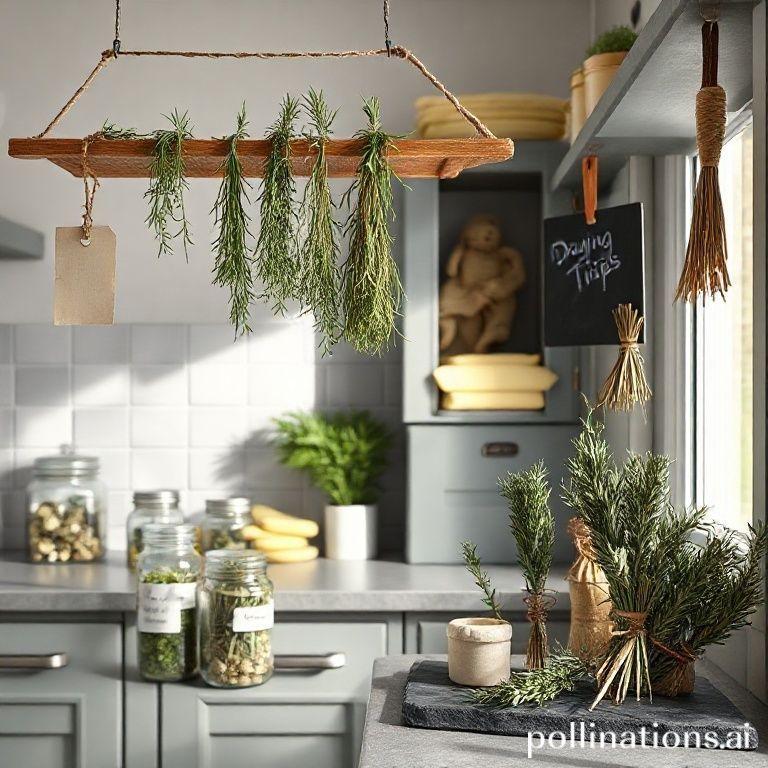
- Steps: Gather fresh herbs, remove excess moisture, and bundle them together by stems. Hang them upside down in a cool, dry, dark place with good air circulation.
- Duration: This process can take anywhere from several days to weeks, depending on the herb type and environmental conditions.
Design experts suggest that hanging herbs in a paper bag with holes cut into it helps capture any small leaves that may fall during the drying process while also protecting them from light.
2. Oven Drying
Oven drying is an efficient method, particularly for those who wish to speed up the drying process. However, careful temperature control is essential.
- Steps: Preheat your oven to the lowest setting, usually around 180°F (82°C). Spread the herbs evenly on a baking sheet and place them in the oven.
- Duration: Drying time ranges from 30 minutes to two hours, so check them frequently to avoid burning.
Pro Tip: Leave the oven door slightly ajar to allow moisture to escape, which enhances the drying process and prevents mustiness.
3. Dehydrator Drying
Food dehydrators provide a controlled environment for drying herbs and are a favorite among those who regularly preserve food.
- Steps: Place the herbs on dehydration trays, ensuring good airflow between them. Set the temperature according to the manufacturer’s instructions.
- Duration: Most herbs will dry within one to four hours, depending on the type and moisture content.
Using a dehydrator is highly efficient and allows for bulk processing, making it an ideal choice for home chefs gearing up for cookouts or holiday meals.
4. Microwave Drying
Microwaving is a quick and convenient option, though it requires careful attention to avoid damaging the herbs.
- Steps: Layer the herbs between two paper towels and place them in the microwave. Start with 30 seconds on high and check frequently until dry.
- Duration: Typically, this method can take around 1-3 minutes.
While microwave drying is rapid, it may not yield the best flavor profile compared to other methods, making it a secondary option when time is of the essence.
Optimal Storage Techniques for Dried Herbs
Once your herbs are dried, proper storage is crucial to maintain their flavor and efficacy. Here are the best practices:
Choosing the Right Containers
- Glass jars:: Airtight glass containers are ideal for preserving the freshness of dried herbs. They protect against light and moisture.
- Labels:: Clearly label each container with the herb’s name and drying date, ensuring easy identification for future cooking endeavors.
Storing Conditions
Keep your jars in a cool, dark place, as exposure to heat and light can degrade the quality of dried herbs. Avoid storing them above the stove or in direct sunlight to ensure longevity.
Integrating Dried Herbs into Your Cooking
Once you have a selection of dried herbs at your disposal, the possibilities in your kitchen are endless. Here are some creative ways to incorporate them into your dishes:
- Flavoring Oils: Infuse olive oil with dried herbs for a delicious dressing or marinade.
- Baking: Add dried herbs into bread dough for a savory twist.
- Soups and Stews: Rehydrate dried herbs in soups, allowing their flavors to meld into the broth.
According to home renovation specialists, integrating a dedicated spice rack or herb cabinet in your kitchen design not only adds functionality but serves as an attractive display of your culinary achievements.
Final Thoughts
The art of herbal drying is an invaluable skill for any cooking enthusiast looking to enhance their culinary repertoire. By mastering various drying techniques and storage methods, you can ensure that your favorite herbs remain flavorful and aromatic year-round. Whether you are a seasoned chef or a culinary novice, understanding the benefits of dried herbs allows you to create more robust and delectable dishes. Explore the world of dried herbs in your kitchen and discover the potential of your culinary creations today!
For further inspiration, check our blog categories on styles like Rustic and Traditional kitchen design, or explore eco-friendly materials that elevate the functionality and aesthetics of small spaces.