In recent years, the home improvement landscape has experienced a seismic shift as homeowners become increasingly aware of their environmental impact. Among these changes, the rise of eco-friendly flooring options has captured the attention of American families, seniors, and environmentally conscious individuals alike. As we delve into this growing trend, it is crucial to explore the various sustainable flooring solutions available in the market today, highlighting their benefits, materials used, and overall environmental impact.
The Importance of Eco-Friendly Flooring
Choosing eco-friendly flooring is not just a design choice; it reflects a commitment to sustainability and a healthier living environment. Traditional flooring options often come laden with harmful chemicals and unsustainable materials that contribute to environmental degradation. In contrast, sustainable flooring solutions are crafted from renewable resources and produced in ways that minimize harm to ecosystems.
According to home renovation specialists, flooring choices represent a significant portion of a home’s overall environmental footprint. Therefore, opting for eco-friendly materials can contribute to lower carbon emissions, reduced energy consumption, and improved indoor air quality, making it a vital consideration for any homeowner.
Popular Eco-Friendly Flooring Options
The variety of eco-friendly flooring options available today caters to various aesthetics, functionality, and budget requirements. Below we explore some of the most popular materials that embody eco-consciousness without compromising style or performance.
1. Reclaimed Wood Flooring
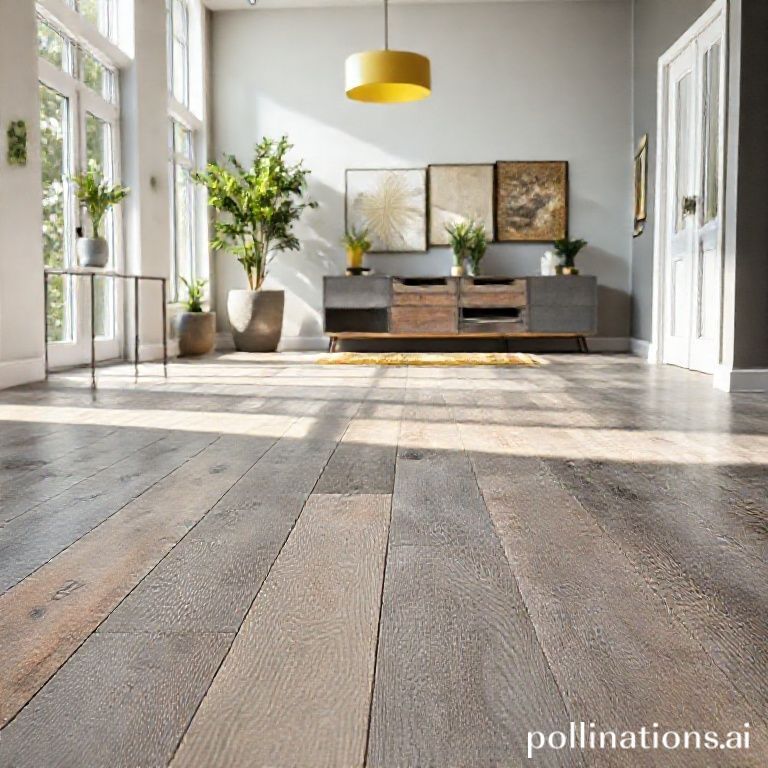
Reclaimed wood flooring has surged in popularity due to its unique character and sustainability. This type of flooring is derived from old structures such as barns, warehouses, and even historic homes. By repurposing wood that would otherwise go to waste, homeowners can enjoy not only an attractive aesthetic but also the peace of mind that comes from using recycled materials.
- Environmental Benefits: Reclaimed wood is considered a sustainable resource because it lessens the demand for new lumber and prevents old wood from ending up in landfills.
- Designer Insight: Design experts suggest that reclaimed wood adds warmth and history to contemporary homes, making it an excellent choice for those aiming for a rustic or modern vibe.
2. Bamboo Flooring
Bamboo flooring is another eco-friendly option that has been steadily gaining traction. Bamboo, a fast-growing grass, reaches maturity in just a few years, making it more sustainable compared to traditional hardwoods that can take decades to grow.
- Benefits: In addition to its rapid renewability, bamboo is naturally resistant to moisture and pests, which can enhance its longevity and reduce the need for chemical treatments during its lifespan.
- Pro Tip: When purchasing bamboo flooring, look for products that are certified by organizations like the Forest Stewardship Council (FSC) to ensure sustainable harvesting practices.
3. Cork Flooring
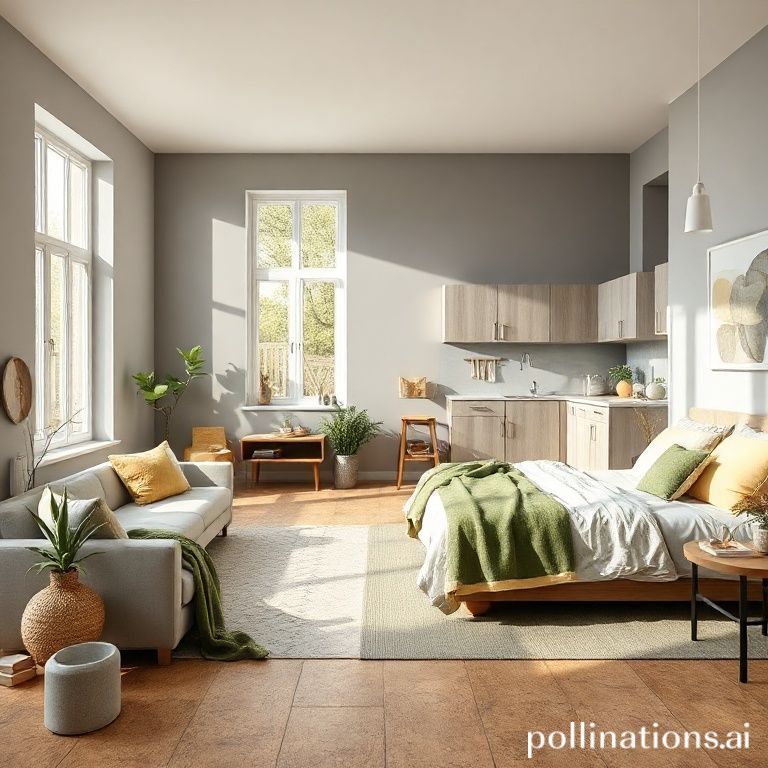
Cork is harvested from the bark of cork oak trees without harming the tree itself, making it a superb eco-friendly flooring option. These trees regenerate their bark every nine years, allowing for a sustainable harvesting process.
- Insulation Properties: Cork flooring has excellent acoustic and thermal insulation properties, making it a fantastic choice for creating a cozy and quiet environment.
- Common Mistake to Avoid: Some homeowners mistakenly assume that cork is too soft and will wear out quickly. However, when properly maintained, cork can last for decades.
4. Linoleum Flooring
Linoleum, often misunderstood as vinyl, is a biodegradable flooring option made from natural materials like linseed oil, cork dust, and wood flour. It has made a significant comeback in modern home design thanks to its eco-friendly composition.
- Durability: Linoleum is highly durable and can withstand heavy foot traffic, making it ideal for families and busy households.
- Color Variety: Available in a wide range of colors and designs, linoleum can complement various interior styles, from contemporary to traditional.
Environmental Impact of Flooring Choices
Understanding the environmental impact of flooring materials is crucial for homeowners committed to sustainability. Research has consistently shown that bio-based flooring materials, such as cork and linoleum, have lower environmental impacts compared to conventional options like vinyl and carpets.
Sustainable flooring not only reduces the carbon footprint during manufacturing and installation but also contributes to healthier indoor air quality. Many traditional flooring types emit volatile organic compounds (VOCs), which can lead to respiratory issues and other health concerns over time. By choosing eco-friendly options, families can significantly improve their living environments.
It’s important to consider the entire lifecycle of flooring materials, including their production, use, and disposal. Sustainable flooring solutions often have a smaller ecological footprint, promoting a healthier planet for future generations.
Choosing the Right Eco-Friendly Flooring for Your Home
When selecting eco-friendly flooring, it is essential to consider a few key factors to ensure that your choice aligns with your lifestyle, budget, and aesthetic preferences.
- Assess Your Needs: Consider the rooms where you plan to install the flooring. High-traffic areas might benefit from more durable materials such as bamboo or reclaimed wood, while bedrooms and quieter spaces could be suitable for softer options like cork.
- Evaluate Maintenance Requirements: Different flooring types come with varying maintenance needs. Some materials may require more frequent cleaning and care, while others are more forgiving.
- Budget for Installation: While many eco-friendly flooring options are available at mid-range prices, installation costs can vary significantly. Be sure to factor in professional installation if you are considering a more complex material.
Conclusion
The trend towards eco-friendly flooring options is more than just a passing phase; it represents a cultural shift towards sustainability and responsible consumption. Homeowners are increasingly recognizing the benefits of sustainable flooring solutions—not only for their beauty and functionality but also for their positive impact on the environment.
By selecting materials such as reclaimed wood, bamboo, cork, and linoleum, families can create stunning interiors that align with their values. As the demand for green home improvement grows, it will be exciting to see how the American housing market evolves to embrace these innovative, environmentally friendly materials. For more inspiration and tips on sustainable home design, explore our other categories on modern home improvement solutions and eco-friendly lifestyle practices.