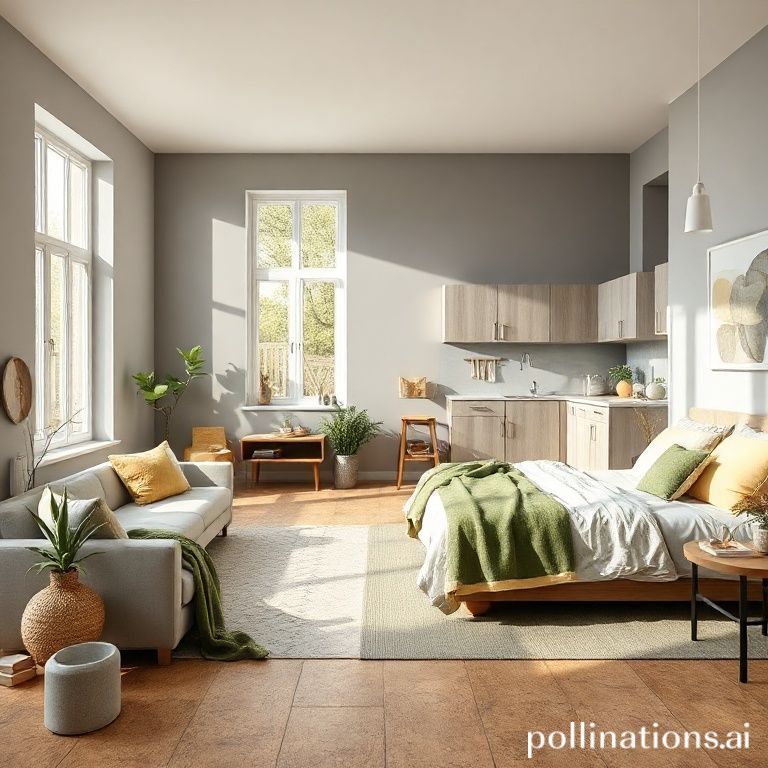
Cork flooring is increasingly becoming a popular choice among homeowners, particularly due to its myriad benefits in modern home design and sustainable living. In this detailed exploration, we will delve into the various advantages of cork flooring, spotlighting its eco-friendliness, comfort, sound insulation capabilities, and overall suitability for modern living spaces. Whether you are a family seeking a durable and safe flooring option or a single professional looking to enhance your living environment, cork flooring offers a versatile solution that aligns beautifully with contemporary lifestyles.
Understanding Cork Flooring: An Overview
Cork flooring is derived from the bark of the cork oak tree (Quercus suber), predominantly found in Mediterranean countries such as Portugal and Spain. This material is harvested sustainably—cork oak trees are not cut down; rather, their bark is stripped every 9 years, allowing the trees to continue growing and sequestering carbon, which underscores its eco-friendly credentials. The unique cellular structure of cork gives it inherent properties that make it a preferred flooring option for modern homes.
1. Eco-Friendliness: A Sustainable Choice
In recent years, environmental consciousness has played a pivotal role in shaping homeowner preferences. Cork flooring stands out as a champion of eco-friendly flooring options, as it is made from a renewable resource that requires minimal processing compared to other flooring materials. Home renovation specialists frequently highlight the low environmental impact of cork. By choosing cork, you are opting for a flooring solution that supports sustainable practices, significantly reduces carbon footprints, and contributes to the preservation of cork oak forests.
2. Comfort and Insulation Properties
One of the standout features of cork flooring is its remarkable comfort underfoot. Unlike harder surfaces such as tile or hardwood, cork possesses a natural cushioning effect, making it easier on joints and feet—beneficial for families with young children or individuals who spend extended periods standing. In addition, cork flooring offers excellent thermal insulation. Its insulating properties keep homes warm in winter and cool in summer, leading to reduced energy costs over time. Homeowners living in regions with extreme temperatures find cork particularly beneficial for maintaining comfortable indoor climates.
3. Sound Insulation: A Quiet Haven
Cork’s unique structure also provides exceptional sound insulation, an essential quality for urban dwellers where noise pollution can be a significant concern. The cellular structure of cork acts as a natural sound barrier, effectively dampening noise between rooms or from the outside. According to lifestyle experts, this sound-absorbing property fosters a peaceful living environment, making cork flooring an ideal choice for bedrooms, home offices, and open-concept living areas.
Design Versatility: Aesthetic Appeal
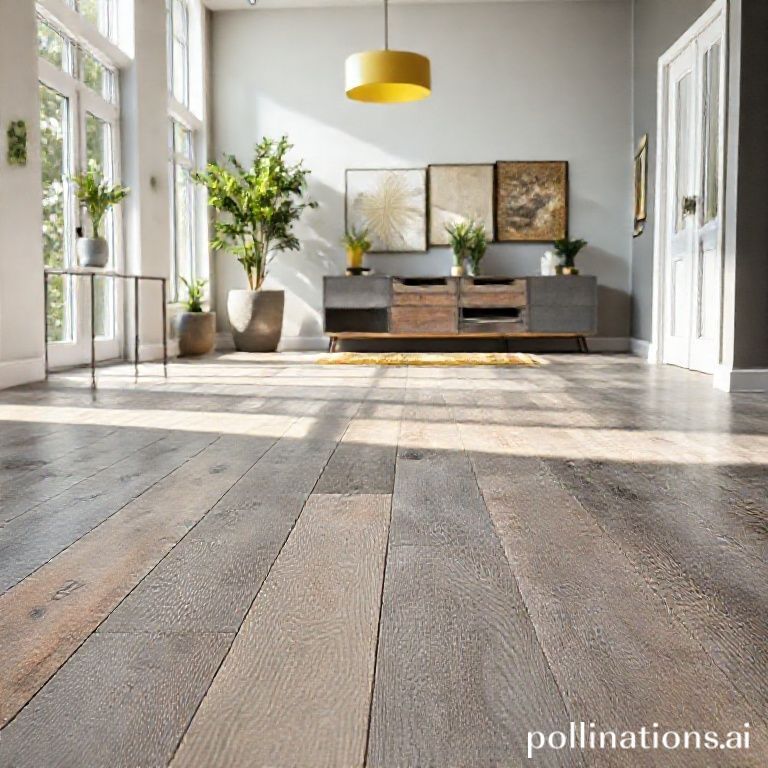
From a design perspective, cork flooring offers an array of aesthetic benefits that can complement modern home decor. Available in various earthy tones and neutral colors, cork can seamlessly fit into diverse interior styles, including minimalistic, rustic, and contemporary design schemes. It can also be finished with different stains and finishes to suit individual preferences, allowing homeowners to personalize their space while maintaining the natural beauty of the material.
4. Durability and Maintenance
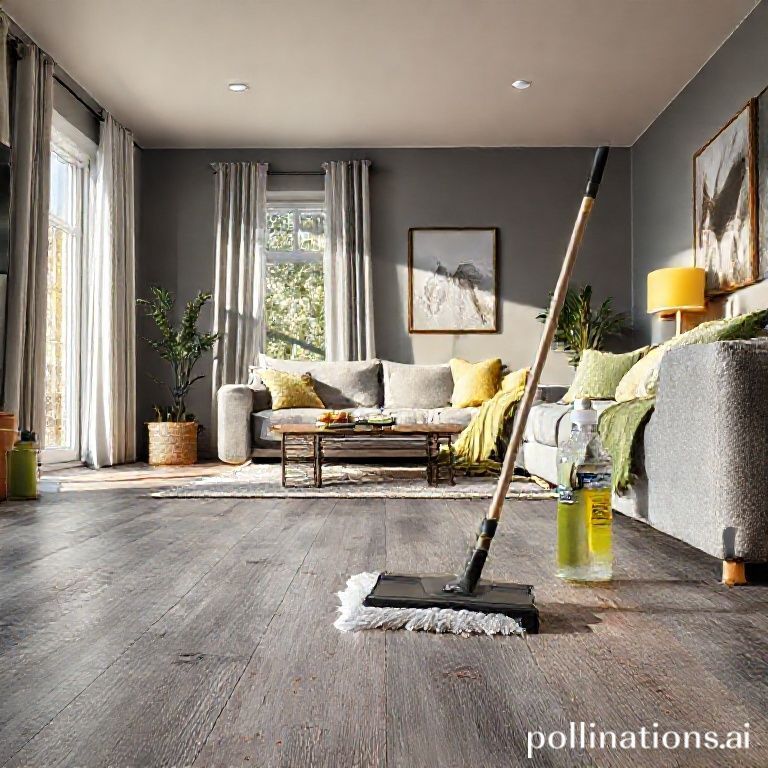
Cork flooring is surprisingly resilient. It is resistant to scratches and dents, making it suitable for high-traffic areas in the home. While it does require regular maintenance to ensure longevity—such as occasional sweeping and mopping—cork does not require the intense upkeep associated with hardwood or carpeted flooring. For families with pets or small children, cork represents a practical solution that withstands the rigors of daily life, all while remaining easy to clean and maintain.
5. Pro Tip: Proper Installation and Care
To ensure the best performance of cork flooring, professional installation is recommended. An uneven subfloor can lead to issues down the road, including wear and damage. Additionally, applying a protective sealant can enhance the water-resistant properties of cork, making it suitable even in kitchens and bathrooms where moisture might be a concern. Regular resealing every few years will keep the flooring looking its best and further extend its life.
6. Common Mistake to Avoid: Not Considering Humidity
While cork is more water-resistant than traditional hardwood, it is still sensitive to prolonged exposure to moisture. Homeowners often make the mistake of neglecting humidity control within their living spaces. It’s vital to maintain balanced humidity levels, ideally between 40% and 60%, to prevent the cork from warping or degrading over time. Utilizing dehumidifiers or proper ventilation can help maintain this balance, ensuring the integrity of your cork flooring.
The Cost vs. Value Proposition
Investing in cork flooring can be seen as a balance between upfront costs and long-term value. While cork may have a higher initial price point compared to laminate or vinyl flooring, its durability, low maintenance costs, and aesthetic appeal make it a valuable long-term investment. Many homeowners report satisfaction with cork as it continues to present a stylish appearance throughout the years while contributing positively to indoor air quality by reducing allergens—an essential factor for families concerned about the health of their environment.
Conclusion: The Ideal Flooring Solution
With its rich benefits, cork flooring is a standout option for modern homes, especially for families and eco-conscious individuals seeking a stylish yet functional flooring solution. Its sustainable nature, comfort, sound insulation properties, and attractive design options position it as a leading choice in the realm of home improvement. For anyone considering a flooring upgrade, exploring cork is certainly worthwhile. To learn more about different styles and materials suitable for your home renovation, visit our Flooring category. Discover how you can transform your space while embracing sustainable practices.