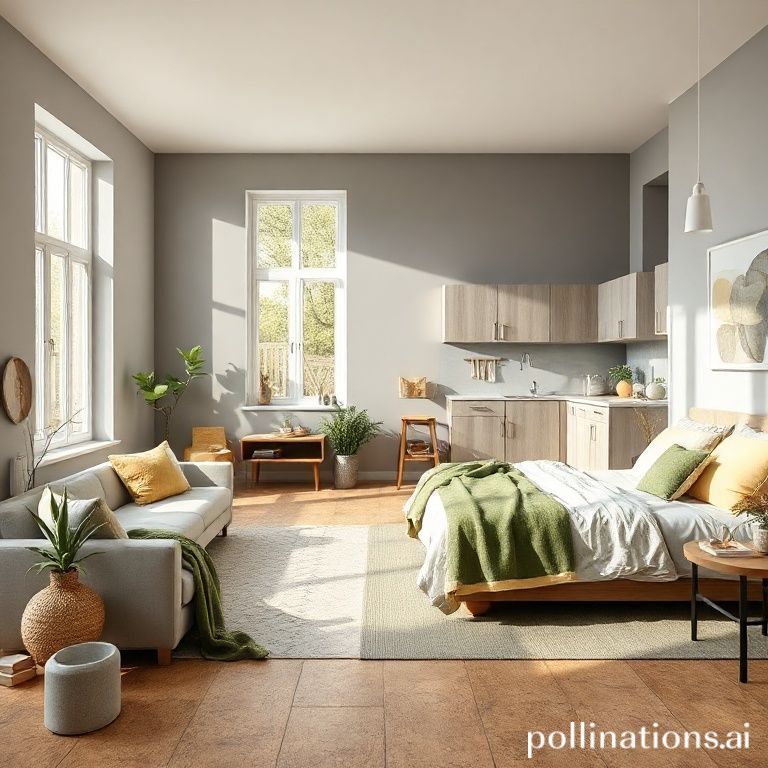
In the humid environments of bathrooms, basements, and even certain coastal homes, selecting the right flooring material can be a challenge. High humidity levels can lead to a range of issues, including mold growth, warping, and deterioration of many common flooring options. Thus, understanding the best flooring materials for these conditions becomes paramount for homeowners looking to maintain both aesthetic value and functionality in their spaces. This article explores the top humidity-resistant flooring options, guiding you through the selection process to ensure your home remains stylish and resilient.
Understanding Humidity Resistant Flooring
Humidity-resistant flooring is designed to withstand moisture without succumbing to damage such as warping, mold growth, or discoloration. Flooring materials vary significantly in their resistance to humidity and moisture, making it crucial to choose wisely based on your specific environment. Various characteristics, including material composition, finish, and installation method, all contribute to a floor’s ability to handle moisture. A flooring option with low permeability and excellent durability will not only hold up better in humid areas but also provide safety and comfort—key factors for families and pet owners.
Initial Considerations When Choosing Flooring
- Moisture Levels: Assess the average humidity of your space. For instance, bathrooms often experience frequent exposure to moisture, while basements may have inherent dampness.
- Durability: Consider how much wear and tear the floor will experience. High-traffic areas may require tougher materials.
- Maintenance: Evaluate the level of care each flooring option requires to maintain appearance and performance over time.
- Installation: Some flooring materials may be more complex to install than others, influencing time and labor costs.
Top 5 Humidity-Resistant Flooring Materials
1. Luxury Vinyl Plank (LVP)
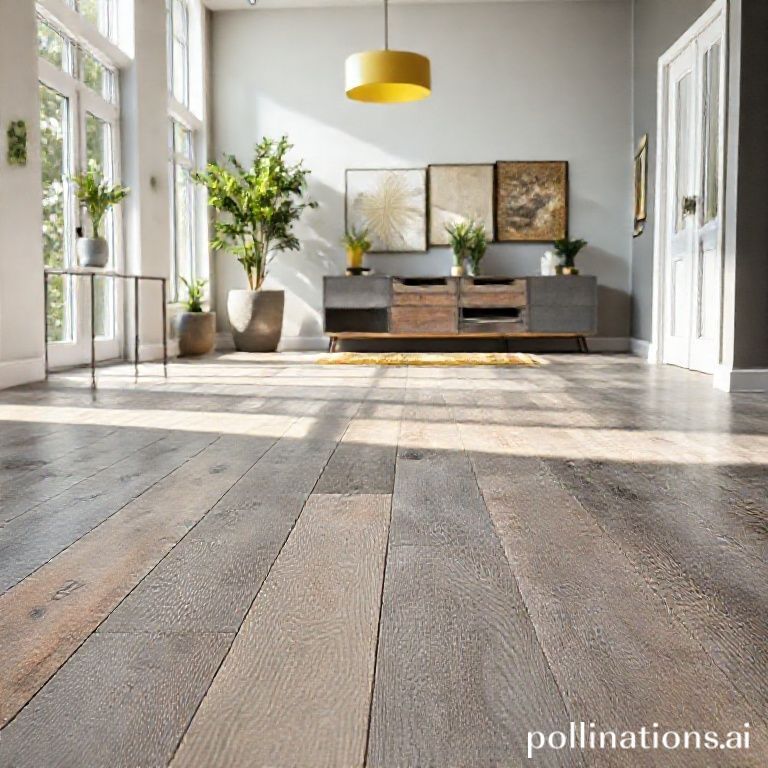
Luxury vinyl plank has surged in popularity due to its remarkable ability to mimic hardwood and tile while offering enhanced durability and moisture resistance. LVP is manufactured using multiple layers, including a waterproof core, making it ideal for bathrooms, kitchens, and basements. This flooring option is not only aesthetically pleasing but also practical for families with children and pets due to its resilience against scratches and stains.
2. Porcelain Tile
Porcelain tiles offer an exceptional solution for high-humidity areas. Known for their low absorption rate, porcelain tiles are denser and more durable than standard ceramic tiles, making them less susceptible to mold and mildew. Furthermore, they come in an array of styles, colors, and patterns, allowing homeowners to create any desired aesthetic—from sleek modern looks to rustic appearances. Since they are easy to clean and maintain, they remain a top choice for bathrooms and kitchens.
3. Stone Flooring
Natural stone floors, such as slate, granite, and travertine, offer unparalleled beauty and durability. The dense nature of stone makes it naturally resistant to moisture, and when properly sealed, it can provide remarkable protection against humidity and stains. Stone flooring comes with the bonus of being eco-friendly, especially if sourced responsibly. Homeowners should consider that stone can be cold underfoot and may require regular sealing to maintain its aesthetic and protective qualities.
4. Bamboo Flooring
As a sustainable flooring option, bamboo is gaining traction among eco-conscious homeowners. Its natural structural composition gives it strength and moisture resistance when compared to traditional hardwoods. Bamboo grows quickly and can be harvested sustainably, making it an excellent choice for those seeking environmentally friendly options. However, selecting strand-woven bamboo helps ensure maximum durability in humid environments.
5. Engineered Wood
Engineered wood flooring consists of a thin veneer of real hardwood bonded to multiple layers of plywood, providing stability and moisture resistance. While solid hardwood can warp in high humidity, engineered wood is designed to resist this effect. Homeowners can enjoy the warm, luxurious appearance of hardwood while incorporating a flooring type that performs effectively in variable humidity levels.
Pro Tips for Choosing the Right Humidity-Resistant Flooring
- Test for Moisture: Before installation, conduct a moisture test on your subfloor to ensure it’s suitable for your chosen flooring.
- Climate Considerations: Be mindful of your specific location’s climate. Coastal regions may experience higher humidity, which could influence your flooring choice.
- Consult a Professional: Seek advice from flooring specialists or contractors who can provide valuable insights based on your needs and local conditions.
Common Mistakes to Avoid
- Overlooking Underlayment: Ignoring the importance of a proper underlayment can lead to moisture damage and decreased flooring performance.
- Choosing Aesthetic Over Functionality: Avoid prioritizing style options that may not perform well in your humid environment.
- Inadequate Ventilation: Failing to improve ventilation in areas prone to humidity can exacerbate moisture problems and impact floor longevity.
Maintenance Strategies for Humidity-Resistant Flooring
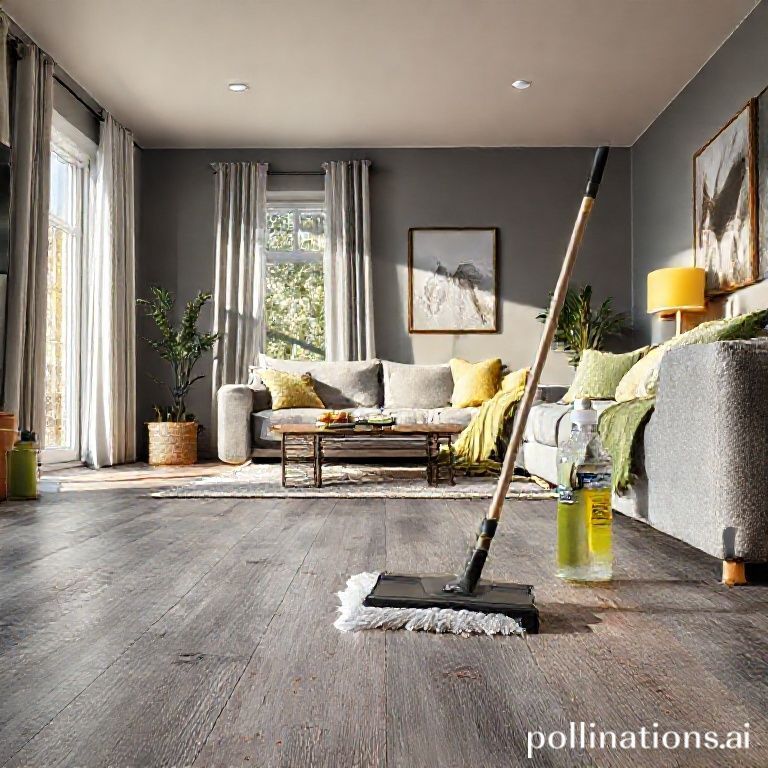
To maximize the lifespan and appearance of your humidity-resistant flooring, proper maintenance is essential. Regular cleaning using appropriate products ensures that the flooring remains free from dirt and debris that can cause wear and tear. For vinyl and tile surfaces, occasional resealing may be necessary to maintain moisture resistance. Ensure sufficient ventilation, especially in moisture-rich areas, to mitigate humidity’s effects on the flooring. Homeowners can also invest in dehumidifiers or utilize air conditioning systems to control moisture levels effectively.
Conclusion
Choosing the right flooring for high humidity areas is vital for homeowners seeking to create a lasting, beautiful environment. Luxury vinyl plank, porcelain tile, stone, bamboo, and engineered wood each offer unique benefits that cater to various needs and preferences. As you explore your options, remember to consider not only aesthetics but also the function and sustainability of your choice. By making informed decisions, you can ensure your home remains comfortable, stylish, and resilient even in the face of high humidity. For further exploration, consider delving into eco-friendly interior design styles that harmonize with your flooring choices, enhancing your home’s overall aesthetic and value.