Creating a cozy reading nook in your small space can be a game-changer, transforming even the tiniest corners of your home into havens of relaxation and literary escape. With the right approach, you can design a stylish nook that integrates seamlessly into your living area while also enhancing functionality. Whether you’re a single professional, a college student buried under textbooks, or anyone who cherishes their storytime, this guide is curated to provide you with insightful tips and practical suggestions tailored for small spaces.
Why Design a Reading Nook?
A reading nook is more than just a place to get lost in a good book; it’s a dedicated space that encourages relaxation, creativity, and inspiration. According to home interior specialists, carving out a reading nook in your home can significantly improve your mood and productivity. In a world where we often juggle multiple responsibilities, this cozy corner allows for a moment of peace amid the chaos.
Moreover, with urban living on the rise, homes are getting smaller, making efficient space management more crucial than ever. As such, a reading nook can serve as a functional and aesthetic element of your interior design, fitting into contemporary, modern, or Scandinavian styles with ease.
Choosing the Right Color Scheme
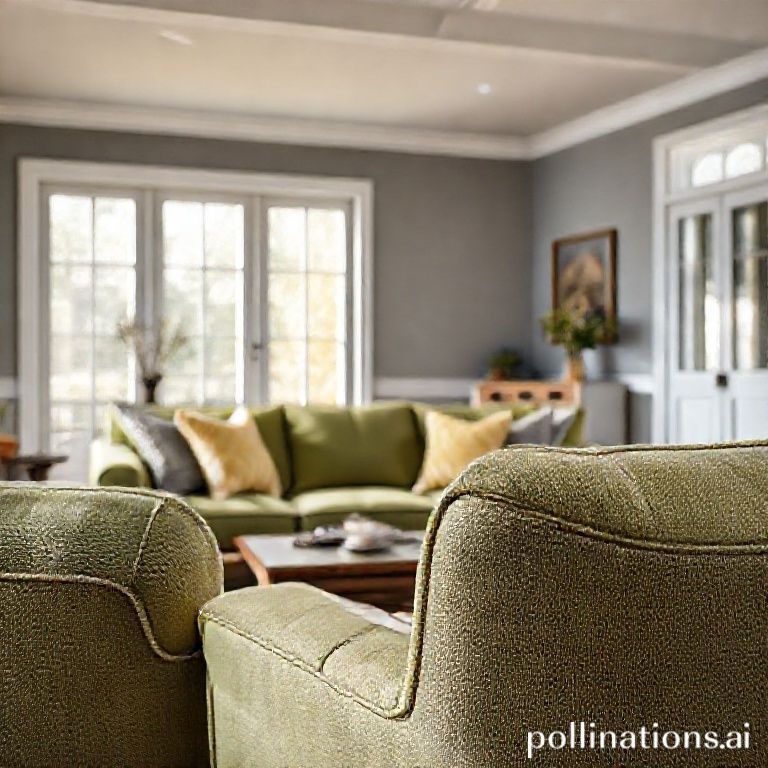
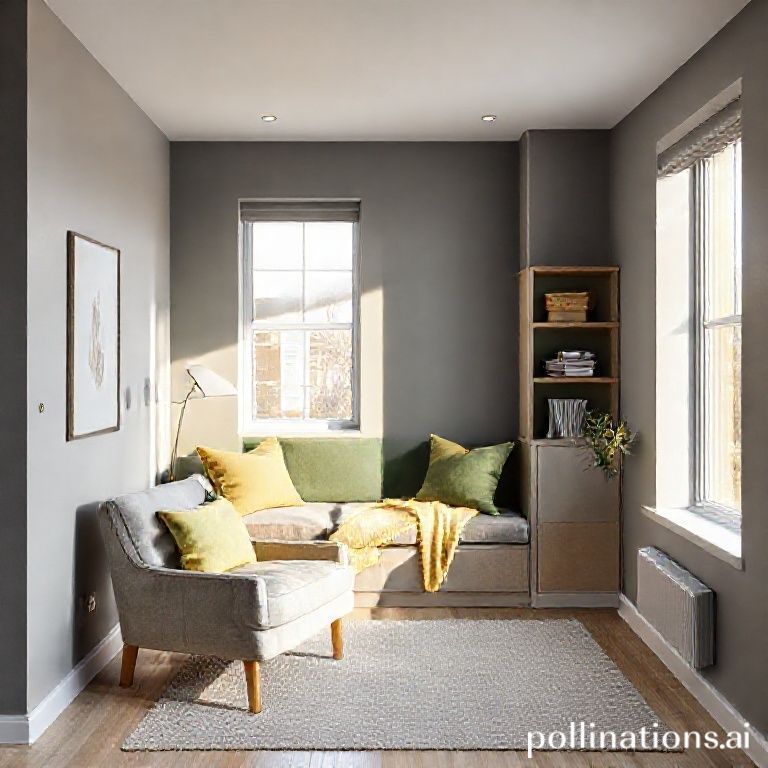
The color palette of your reading nook plays a vital role in setting the ambiance. Opting for neutral tones can create a serene environment, while pastel colors can add a touch of warmth and whimsy. Popular choices include soft grays, beiges, and muted greens that can make your nook feel inviting without overwhelming the senses. Designers suggest, “Integrating a complementary color from adjoining rooms can create an inviting flow.”
Consider using an accent wall behind your reading nook featuring shades like powder blue or dusty pink for a refreshing pop that still feels cozy. Such choice adds depth and visual interest, setting the nook apart as a unique zone within your living space.
Furniture Selection: Multi-Purpose and Space-Saving Options
When it comes to choosing furniture for your reading nook, functionality is key—especially in smaller living spaces. Here are a few furniture tips to consider:
- Chair: A comfortable armchair, preferably one with a slight recline, can be the centerpiece of your nook. Look for chairs that have a compact design, such as Scandinavian-style models, to save space.
- Side Table: A small, round side table can be tucked into tight corners and is perfect for holding your book or a cup of tea. Consider options made of wood or other natural materials which can add warmth and character.
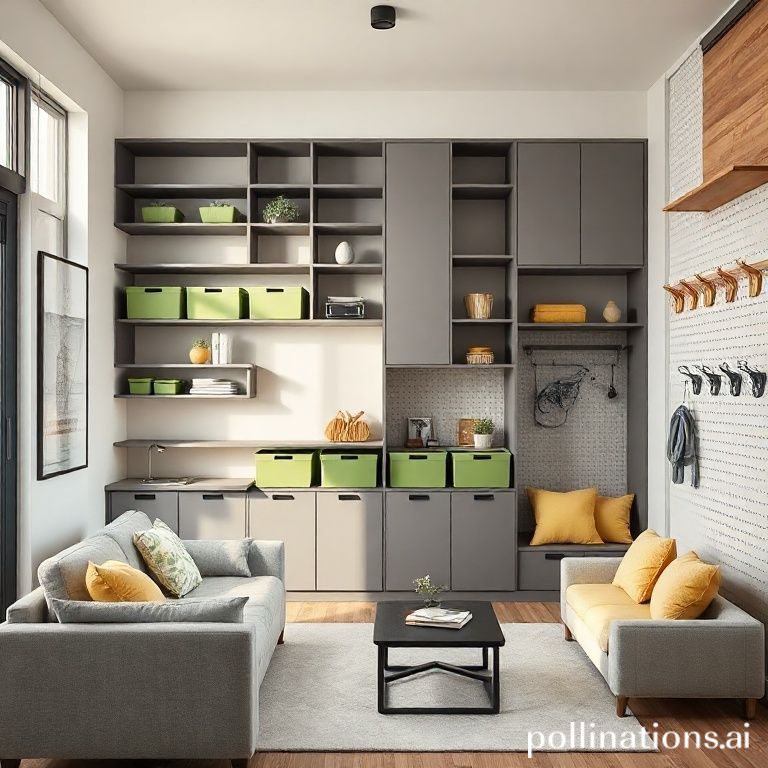
- Storage Solutions: Bookshelves that double as room dividers can be a smart way to create a nook while also providing additional book storage. Floating shelves are also a fantastic way to maximize space.
Incorporating these furniture elements can enhance the coziness of your reading nook while ensuring that each piece serves a practical purpose. For the best functionality, choose multi-purpose furniture that seamlessly integrates storage or additional seating.
Lighting: Set the Right Mood
Lighting is a crucial factor in creating a welcoming reading nook. Instead of relying solely on overhead lights, layer your lighting sources. A combination of task and ambient lighting can create an inviting atmosphere. Here are some lighting solutions:
- Floor Lamps: These are ideal for providing direct light where you need it most. Go for designs that feature adjustable heads to direct light onto your page.
- Table Lamps: If your nook includes a side table, consider adding a stylish table lamp. This can help create a soft glow that transforms the nook into a cozy retreat.
- String Lights: For a whimsical touch, string lights can be draped around bookshelves or along walls to add warmth and charm.
Lastly, look for lights that incorporate dimmable features. This allows you to adjust the brightness depending on the time of day or your reading material, adding functionality and ambiance to your nook.
Incorporating Textiles for Extra Comfort
Textiles play a significant role in achieving a cozy atmosphere. To enhance the comfort of your reading nook, consider incorporating an array of soft fabrics. From throw pillows to cozy blankets, the right textiles can make your nook feel inviting and warm. Use textures such as knitted throws, velvety cushions, or a plush area rug to elevate the comfort level and aesthetic appeal.
Additionally, consider the seasonal aspect of your textile choices. Lightweight fabrics like cotton or linen can keep the nook breezy in the summer, while heavier materials like wool or fleece can provide warmth during colder months. A well-made nook can change with the seasons, reflecting different moods and styles.
Personal Touches: Make It Yours
Adding personal touches to your reading nook is essential for making the space feel uniquely yours. Consider displaying your favorite books on the shelves or incorporating art pieces that resonate with you. Framed photos, inspiring quotes, or cherished heirlooms can all enhance the character of your nook.
Additionally, plants can breathe life into your nook, providing a splash of color and improving air quality. Low-maintenance options like succulents, snake plants, or peace lilies make excellent additions. They not only beautify the space but also create a calming atmosphere conducive to relaxation and reflection.
Pro Tip:
Use removable wallpaper or wall decals to give a quick, transformative update to your nook without committing to long-term changes. This is especially useful in rental spaces where you might want to leave the walls untouched.
Common Mistakes to Avoid
As you plan your reading nook, be mindful of common pitfalls that can detract from your space:
- Choosing Oversized Furniture: In small spaces, oversized pieces can make the nook feel cramped. Always measure your space before purchasing furniture to ensure a comfortable fit.
- Neglecting Natural Light: If possible, position your nook near a window to take advantage of natural light. This not only increases the appeal but enhances your reading experience during daylight hours.
- Ignoring Functionality: It’s essential to ensure that your nook serves a purpose beyond aesthetics. Integrating storage and comfortable seating is crucial in maintaining a functional space.
Conclusion: Building Your Ideal Reading Nook
Designing a cozy reading nook requires thoughtful consideration and creativity to transform your small space effectively. By focusing on elements like color schemes, furniture selection, appropriate lighting, and personal touches, you can create a sanctuary that beckons you to unwind and indulge in delightful storytelling. As you explore your options, remember that the heart of your nook lies in its ability to reflect your personality and accommodate your lifestyle seamlessly.
For more inspiring home décor ideas and tips specific to small space living, consider exploring the contemporary and Scandinavian interior design styles that can further enhance your cozy oasis. Happy reading!