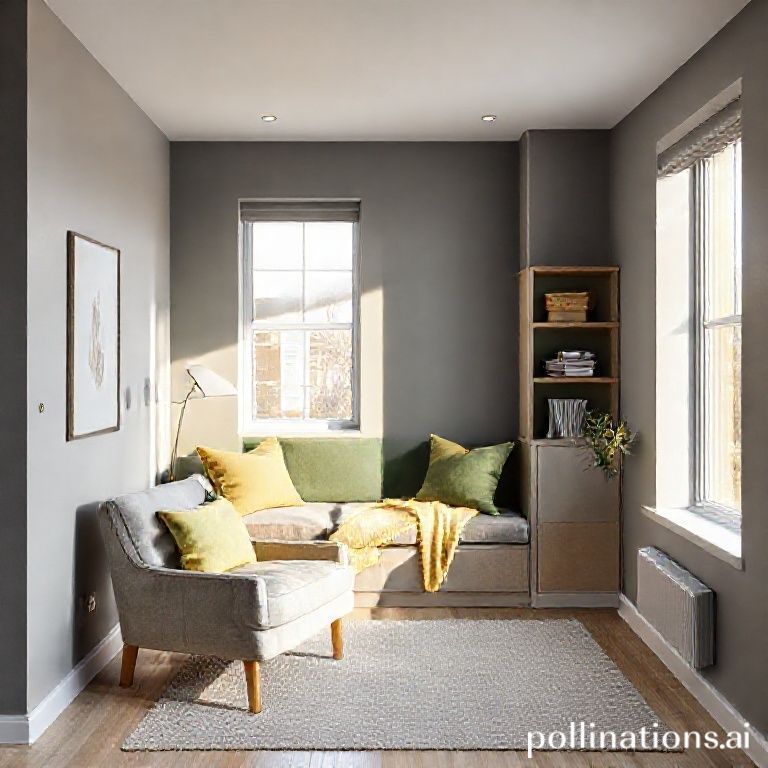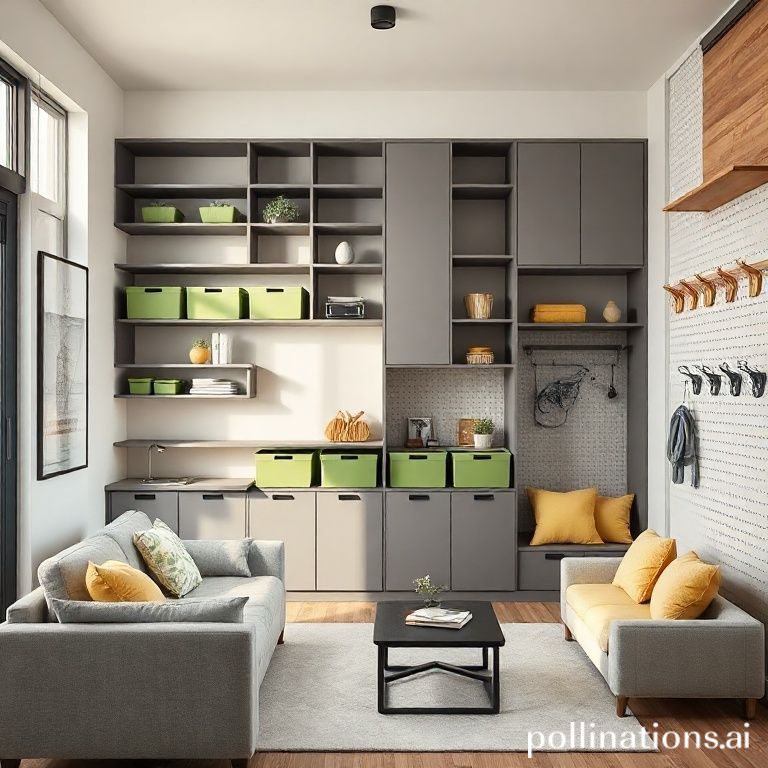
Choosing the right upholstery fabric for your vintage furniture is an essential aspect of interior design that can significantly impact the look and durability of your cherished pieces. With vintage furniture charmingly echoing past styles, selecting the perfect fabric means finding a balance between aesthetic appeal, functionality, and environmental sustainability. In this comprehensive guide, we will delve into essential tips and tricks for selecting upholstery fabrics that not only complement your vintage treasures but also stand the test of time.
The Importance of Fabric Selection
Understanding the significance of fabric selection in your interior design process is crucial. The upholstery fabric chosen will dictate not only the visual harmony of your space but also the tactile experience and durability of the furniture. The right fabric can enhance the vintage appeal, providing a sense of character and history, while poor fabric choices may detract from the furniture’s elegance.
Functionality Meets Aesthetics
When selecting upholstery fabric, consider how the piece will be used. Families with children and pets, for instance, should prioritize durability and ease of cleaning. Opting for fabrics like treated cotton or blends that offer stain resistance ensures that your furniture remains beautiful for years to come. Additionally, the texture of the fabric should complement the design style you are aiming for—soft fabrics like velvet resonate with traditional aesthetics, while smoother, more structured fabrics may reinforce mid-century modern designs.
Types of Upholstery Fabrics
Taking a closer look at various types of upholstery fabrics helps clarify your choices. Each fabric comes with its own set of benefits and drawbacks, making informed selections critical for vintage furniture.
Natural Fabrics
- Cotton: Versatile and easy to clean, cotton is a popular choice for upholstery. It is breathable, making it comfortable for warm climates, and available in various patterns, which can enhance vintage designs.
- Linen: Known for its luxurious texture, linen adds a sophisticated touch to vintage pieces. However, it is essential to note that linen is less durable than other fabrics, making it suitable for low-traffic areas.
- Wool: Wool is incredibly durable and resistant to stains, making it ideal for families. It also naturally regulates temperature, ensuring comfort regardless of the season.
Synthetic Fabrics
- Polyester: This fabric is popular for its durability and affordability. Its resistance to wrinkles and fading makes it a practical choice for frequently-used furniture pieces.
- Vinyl and Faux Leather: For a modern twist on vintage furniture, vinyl and faux leather can mimic the appearance of genuine leather while being easier to clean and maintain, making them pet-friendly options.
Color Considerations
The color of the upholstery fabric is fundamental in vintage furniture design. Neutral tones and earth shades can evoke a timeless feel, allowing your vintage piece to integrate seamlessly into a variety of décor settings. Here are a few tips for selecting color:
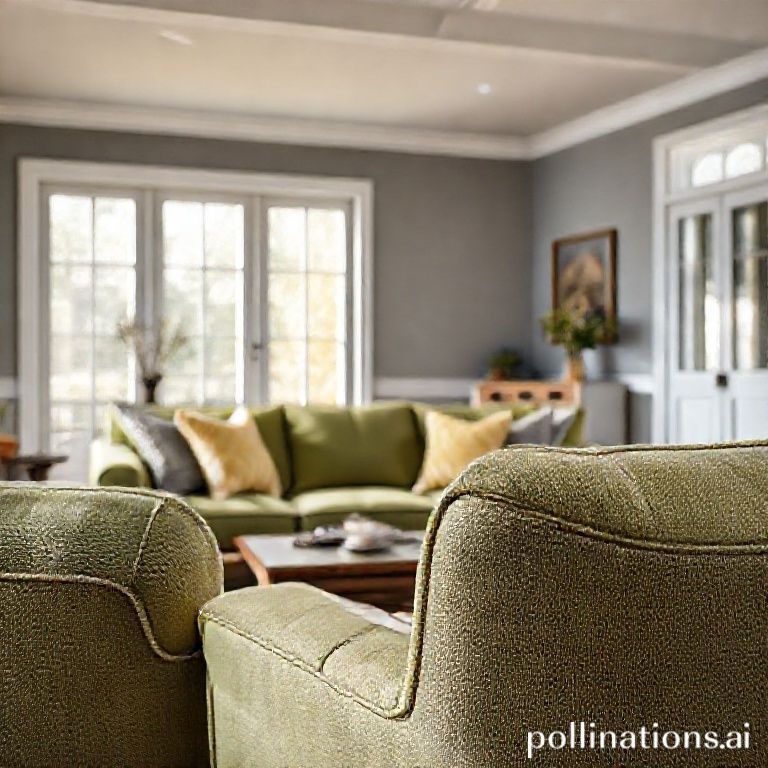
- Complement the Existing Palette: Consider the colors already present in your room. Fabrics in neutral tones such as beige, taupe, and olive can harmonize beautifully with vintage pieces, while earth tones like burnt sienna and moss green enhance a connection with nature.
- Test Swatches: Always obtain fabric swatches and observe them in your home’s lighting. Colors may appear different in various settings, and testing them will provide a true representation of how they match your existing décor.
- Consider Pattern: A well-chosen pattern can add interest and depth to a piece of vintage furniture. Floral or geometric patterns resonate with specific vintage eras and can elevate the character of the furniture.
Eco-Friendly Upholstery Options
As sustainability becomes a priority in interior design, many homeowners are making the switch to eco-friendly fabrics. Look for textiles that are manufactured from sustainable materials or come with certifications like OEKO-TEX or GOTS (Global Organic Textile Standard). These fabrics often utilize organic fibers or recycled materials, contributing to a healthier home environment while minimizing your carbon footprint.
Pro Tip:
Consider opting for a reputable supplier who ensures that their fabrics are sourced ethically while providing information on how to care for them sustainably.
Common Mistakes to Avoid
In the quest for the perfect upholstery fabric, there are common pitfalls that many home decorators face. Recognizing these can help you avoid costly errors:
- Ignoring Fabric Weight: The weight of the fabric you choose should match the furniture’s structure. Heavier fabrics may not suit delicate vintage chairs, while lighter fabrics can look out of place on a sturdy vintage sofa.
- Overlooking Maintenance: It is essential to consider how much maintenance the fabric requires. Avoid fabrics that demand excessive upkeep if your lifestyle does not accommodate it.
- Disregarding Trusted Manufacturers: Always prioritize fabrics from reputable manufacturers. Lesser-known brands may offer lower prices but at the cost of quality and durability.
Final Thoughts and Call to Action
Choosing the right upholstery fabric for your vintage furniture is an endeavor that showcases your personal style while ensuring that these cherished pieces remain functional and beautiful for years to come. With careful consideration of materials, color, and sustainability, you can create a harmonious space that reflects your taste. For more tips on creating beautiful and sustainable interiors, explore our blog sections on traditional and mid-century design styles. Your home deserves nothing less than timeless elegance!