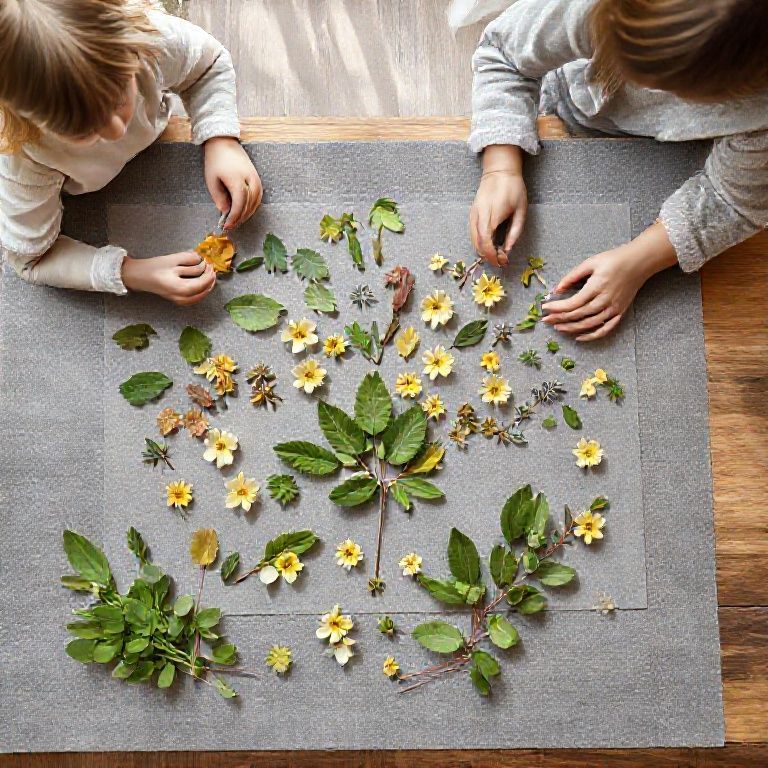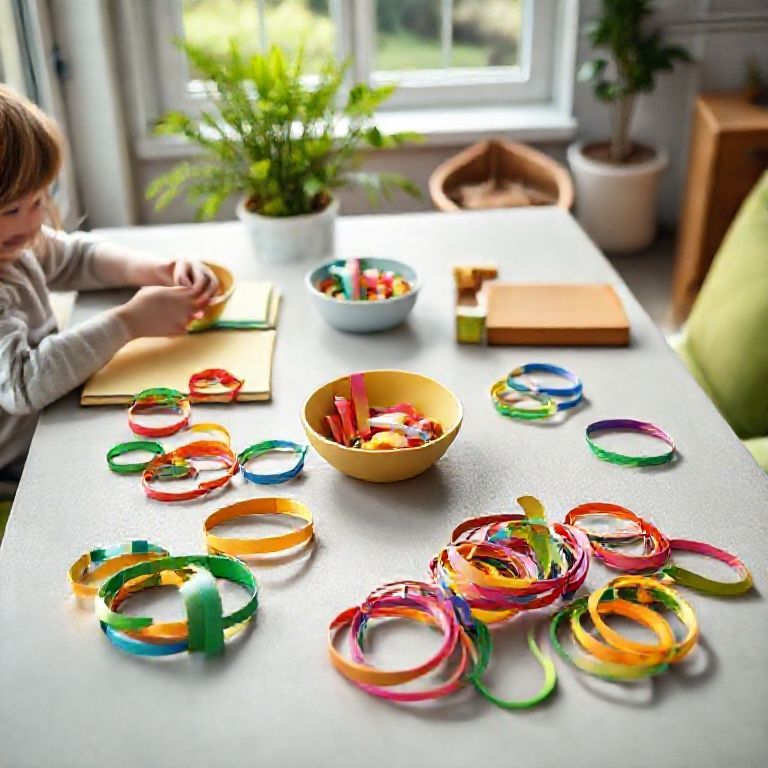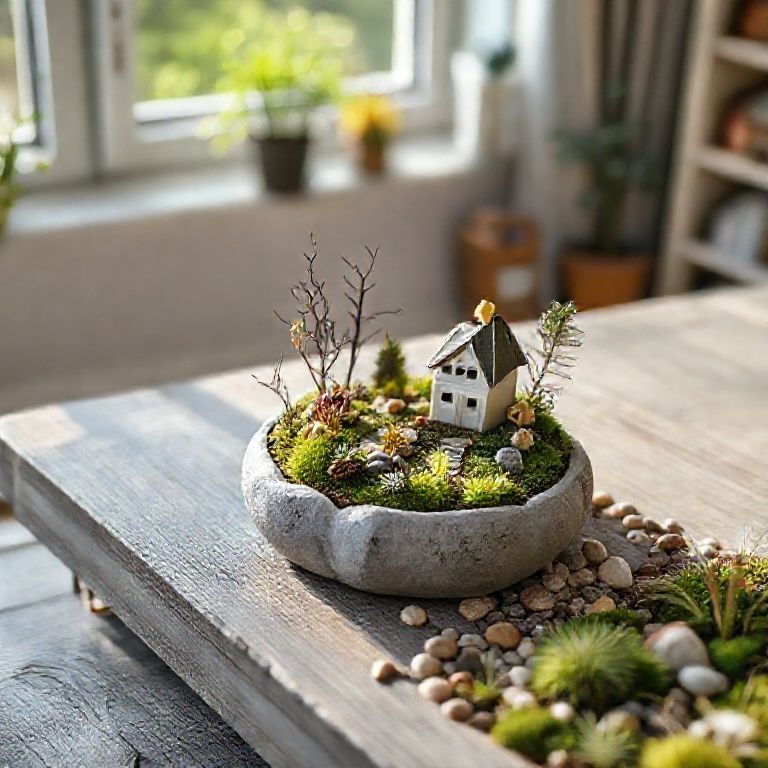
Creating a DIY Miniature Fairy Garden is a magical way for children to engage in imaginative play while embracing nature. These enchanting gardens offer a unique combination of creativity, learning, and outdoor fun, making them perfect for spring and summer activities. In this comprehensive guide, we will explore the art of crafting miniature fairy gardens tailored for kids, using eco-friendly materials and a playful approach.
What is a Miniature Fairy Garden?
A Miniature Fairy Garden is a small, decorated landscape designed to spark imagination, typically incorporating natural elements and whimsical decorations that children can personalize. These fairy gardens serve as miniature worlds where children can create their fantasy, often including tiny homes, figurines, and beautiful plant life, all arranged in a delightful layout. Influenced by both Bohemian and Rustic styles, these gardens exude charm and creativity.
Why Create a Fairy Garden?
Engaging in this DIY project not only enhances a child’s creativity but also fosters a connection with nature. It encourages kids to work with their hands, experiment with design, and learn about various plants and ecosystems. Plus, they offer a delightful space for imaginative play with friends or family. By incorporating elements of eco-friendly and sustainable practices, parents can teach children the importance of caring for the environment while having fun.
Materials You Will Need
Crafting your miniature fairy garden involves using both natural materials and crafted supplies. Below is a list of essential items to gather:
- Container: An appropriate size for a fairy garden, such as a shallow wooden tray, terracotta pot, or even an old wheelbarrow.
- Plants: Choose eco-friendly options like succulents, moss, or herbs that are safe for children.
- Decorative Items: Tiny fairy figurines, miniature furniture, stones, and wood for building structures.
- Soil: Use organic potting soil suitable for your chosen plants.
- Tools: Basic gardening tools like trowels, scissors, and crafting glue.
Step-by-Step Guide to Creating Your Fairy Garden
1. Choose a Location
Select a sunny spot either in your backyard or indoors by a window that receives ample light. This choice is crucial as most plants require sunlight to thrive.
2. Prepare Your Container
Ensure that your container has drainage holes to avoid water buildup. If using a decorative pot without holes, consider adding small stones to the bottom for drainage. Then, fill it with organic potting soil, leaving some space at the top.
3. Planting the Greenery
Choose smaller plants or succulents to create a lush landscape. Kids can plant them in creative ways—perhaps arranging them in clusters or a meandering line as though they are part of a fairy trail. Encourage children to gently remove the plants from their pots and place them into the soil, emphasizing the importance of respecting nature.
4. Adding Fairy Decorations
Allow children to arrange fairy figurines, tiny furniture, and other decorative items based on their imagination. This phase is where their creativity truly shines. They might decide to create a fairy house using twigs and leaves or a swinging bench made from small pieces of wood. It’s essential to keep the items lightweight and appropriate for outdoor conditions.
5. Enhance with Natural Elements
Incorporate stones, pebbles, or shells into the garden to create paths or borders, providing a rustic vibe. Use eco-friendly materials to limit pollution and support sustainability, highlighting these values to your children.
6. Create a Theme
Encourage kids to develop a story around their fairy garden. They might choose a beach theme with seashells or a forest scene with wooden elements. This creative narrative allows them to engage in imaginative play while constructing their design.
Pro Tips for a Successful Fairy Garden
- Water Wisely: Ensure plants are watered correctly without over-saturating. Kids can use spray bottles to create mist, simulating rain.
- Maintenance: Teach kids about plant care—removing dead leaves, checking for pests, and understanding when to water.
- Seasonal Adjustments: Change decorations with each season to keep the garden fresh and inspire new stories!
Common Mistakes to Avoid
- Overcrowding the Garden: Leave space for plants to grow and develop their unique shapes.
- Neglecting Sunlight Needs: Choose plants that thrive in the specific light conditions available.
- Using Toxic Materials: Always use non-toxic, eco-friendly decorations to ensure safety for kids.
Benefits of Miniature Fairy Gardens in Child Development
Constructing fairy gardens offers myriad developmental benefits for children. This activity not only nurtures creativity but also improves fine motor skills as they manipulate small elements of the garden. Moreover, it promotes critical thinking and problem-solving when determining the layout and structure of the garden. Team collaboration is also encouraged if multiple kids are creating their designs together.
Fostering a Love for Nature
Through this craft, children gain a deeper appreciation for plants and ecosystems. It opens discussions on botany and environmental responsibility, reinforcing the importance of caring for our planet. By using sustainable practices, they learn valuable lessons about preserving nature, making it a healthy balance between creativity and responsibility.
Incorporating Educational Elements
Consider integrating science lessons about plant growth and ecosystems into the fairy garden project. Teach kids how different plants interact with their environment, or the role insects play in gardening. This method creates a holistic, fun, and educational experience.
Conclusion
DIY Miniature Fairy Gardens are a splendid opportunity for children to explore their creativity while reconnecting with nature. This activity embodies the essence of home crafting, promoting sustainability and the value of eco-friendly materials. Not only does it offer an avenue for imaginative play, but it also encourages learning and growth through hands-on experience.
By guiding children through this enchanting craft, you’re not just creating a beautiful garden but also fostering a generation that appreciates nature and creativity. So gather your materials, roll up your sleeves, and let the fairy-tale magic begin! Once your fairy garden is complete, consider sharing your creation with the community or connecting with other families who also enjoy crafting.
For more engaging kids crafts, check out our other guides featuring projects that encourage exploration and creativity!