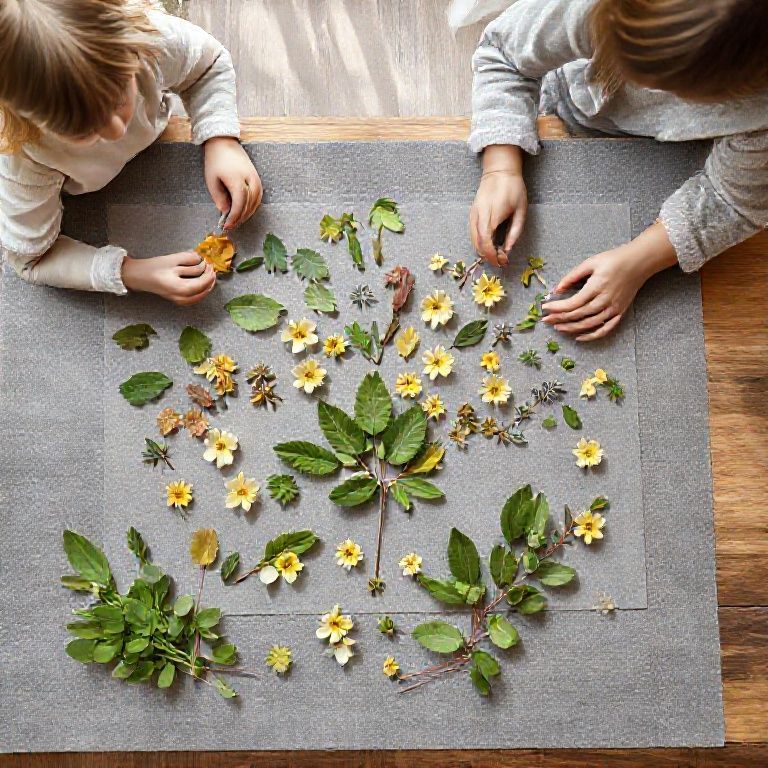
Creating a DIY nature collage is an enriching and enjoyable activity that invites children to explore the beauty of the great outdoors while honing their artistic skills. This craft not only promotes creativity but also fosters an appreciation for the environment, making it an ideal project for families looking to engage in outdoor activities. In this comprehensive guide, we will delve into the materials needed, step-by-step instructions, and valuable tips to ensure that this project is both fun and educational.
Why Create a Nature Collage?
Nature collages provide an excellent opportunity for children to connect with the world around them. As they gather leaves, flowers, and other natural elements from their surroundings, they will begin to notice the intricate patterns, shapes, and colors that make up the flora and fauna of their local ecosystems. According to child development experts, engaging in creative activities like collage-making can improve fine motor skills, encourage problem-solving, and enhance cognitive development in young minds. Additionally, this project teaches kids about sustainability and the importance of preserving the environment by using natural materials instead of synthetic ones.
Gathering Materials
Before diving into the crafting process, it is essential to gather all necessary materials. The beauty of a nature collage is that it can be made with items you likely have at home or can collect from your yard or nearby park. Here’s what you’ll need:
- Natural Elements: Collect a variety of leaves, flowers, twigs, and even small pebbles or feathers. Aim for different shapes, sizes, and colors to make your collage visually appealing.
- Base Material: Use eco-friendly cardboard or a wooden board as the background for your collage. This can be an old cereal box or a piece of scrap wood repurposed for your project.
- Adhesive: Non-toxic glue or a glue stick works perfectly for adhering items to your collage. Consider using a glue made from natural ingredients for an eco-friendly approach.
- Scissors: Safe scissors or craft knives are necessary for cutting materials to size.
- Optional Decorative Items: You may wish to include extras like markers, paints, or biodegradable glitter for added flair.
Step-by-Step Instructions for Creating Your Nature Collage
Now that you have gathered your materials, it’s time to create your magnificent nature collage. Follow these steps to guide you through the process:
1. Prepare Your Workspace
Choose a flat, clean surface to work on. Lay down some newspaper or a cloth to catch any stray glue or natural materials. This will make cleanup easier and allow for more creative freedom.
2. Design Your Layout
Before gluing anything down, arrange your natural elements on the base material. Experiment with different configurations until you find a design that speaks to you. Play with layering, angles, and distances to create depth and interest in your work.
3. Secure the Elements
Once satisfied with the layout, begin gluing down your pieces, starting from the back and working your way forward. This method helps in creating a more layered and dynamic collage. Press each item firmly, ensuring it is well adhered to the base material.
4. Add Decorative Touches
After securing all natural elements, it’s time to enhance your collage. Use markers to add details or paint to create backgrounds. If you have biodegradable glitter or sparkle, sprinkle it lightly for a touch of magic. Remind kids that less is more to avoid overwhelming the natural beauty of the collage.
5. Let It Dry
Allow your collage ample time to dry completely. This could take a few hours, depending on the glue used and humidity levels. Be patient, as a well-dried collage will stand up nicely over time.
6. Display Your Artwork
Once dry, find a special place in your home to showcase your creation. Consider hanging it on a wall, placing it on a shelf, or giving it as a gift to family members. Displaying the collage not only celebrates the effort put into creating it but also serves as a gentle reminder to connect with nature.
Designer Insight: Engaging Children in Nature
Design experts suggest that incorporating nature into children’s activities can enhance their appreciation for the environment and boost their creativity. By engaging in hands-on projects like a nature collage, children learn to observe their surroundings closely, recognize natural beauty, and respect the planet. Encourage kids to talk about their collages, sharing the stories behind each piece they included. This dialogue will not only improve their communication skills but also build their confidence in sharing their perspectives.
Pro Tips for a Successful Collage
- Select Seasonal Materials: Choose leaves and flowers that are in season for the most vibrant colors and texture.
- Press Leaves and Flowers: If you want to preserve your collected items, consider pressing them between heavy books before using them in your collage.
- Incorporate a Theme: Encourage kids to have a theme for their collage, such as “The Colors of Spring” or “Autumn Harvest”. This adds a layer of thoughtfulness to the project.
- Utilize Recycled Materials: Besides the base, using materials commonly found at home reduces waste, aligns with eco-friendly values, and introduces children to sustainable practices.
Common Mistakes to Avoid
- Forgetting to Gather Enough Materials: Always over-collect! It’s better to have several options than to run out of materials during the creation process.
- Rushing the Design Process: Take your time to find a layout that feels right. Hurrying may lead to a less impactful final piece.
- Using Excessive Glue: More glue does not equal better adhesion; encourage children to use a moderate amount and allow drying time.
Conclusion: Crafting a Connection with Nature
Engaging in a DIY nature collage not only nurtures creativity but also builds a deeper understanding of the world around us, especially for our younger generations. As families work together to collect materials and craft their masterpieces, they foster bonds that transcend the walls of their homes, drawing them into the tranquility and beauty of nature. This project aligns perfectly with the burgeoning trend of sustainable homes and eco-friendly practices. After making your nature collage, why not explore more projects that embrace sustainability and creativity? Check out our blog for additional kids’ crafts, gardening tips, and DIY projects that inspire families to connect with nature!