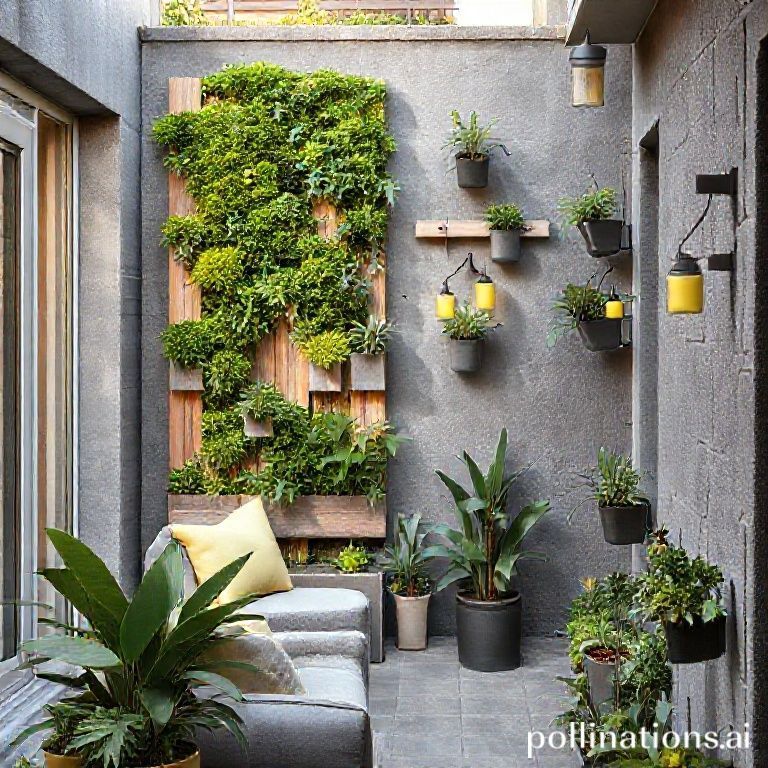
Creating a vertical garden is an innovative solution for anyone with limited outdoor or indoor space who still wants to enjoy the beauty of plants. Vertical gardens, also known as living walls or green walls, not only save space but also enhance the aesthetic appeal of any environment. As urban living continues to rise, incorporating greenery into small spaces has become essential for improving our quality of life and supporting sustainable practices. In this article, we will explore various DIY vertical garden solutions that can easily fit into your modern, contemporary, or Scandinavian-style home.
Why Choose a Vertical Garden?
Vertical gardens provide numerous benefits that extend beyond merely adding beauty to small spaces. They are particularly beneficial in urban environments where ground space is scarce. Here are several reasons why vertical gardens are a fantastic choice:
- Maximize Space: Vertical gardens utilize vertical surfaces, allowing you to grow a lush garden even in the smallest of areas.
- Improved Air Quality: Plants help purify the air by absorbing carbon dioxide and releasing oxygen, making your living space healthier.
- Thermal Benefits: Green walls can help insulate buildings, reducing energy costs for heating and cooling.
- Sound Insulation: The layers of plants can absorb sound and create a quieter living environment.
- Beauty and Aesthetics: Transform dull walls into vibrant living art that can be a talking point and enhance your home’s value.
Choosing the Right Plants for Your Vertical Garden
When selecting plants for your vertical garden, it’s vital to consider factors such as light availability, climate, and your aesthetic preferences. Here are some categories of plants to consider:
Succulents and Cacti
These are ideal for sunny locations and require minimal watering, making them perfect for beginners or those with busy schedules. Their varied shapes and colors add a striking visual effect.
Herbs
Growing herbs such as basil, mint, and thyme can offer both beauty and functionality, as they can be used in cooking. They thrive in moderate light, making them suitable for most indoor spaces.
Flowering Plants
For a splash of color, consider flowering plants like begonias or ferns. Make sure to choose varieties that thrive in your specific light conditions.
Foliage Plants
Plants like ivy or pothos not only look great but are also hardy and easy to care for. They can thrive in lower light and help in purifying the air.
DIY Vertical Garden Ideas
Creating your own vertical garden can be an enjoyable project that requires a bit of thought and some creative flair. Below are some budget-friendly DIY vertical garden ideas suitable for various environments.
1. Pallet Garden
Transform an old wooden pallet into a charming vertical garden. Simply lean the pallet against a wall and fill the gaps with soil and your choice of plants. Make sure to secure it properly to avoid any accidents.
- Materials Needed: An old wooden pallet, landscaping fabric, soil, and plants.
- Pro Tip: Select hardy plants that can survive in the microclimate created by the pallet and the wall it leans against.
2. Hanging Pocket Planters
Fabric hanging planters offer a modern touch while maximizing vertical space. Available in various materials, they can hold small plants or herbs and be attached to any wall.
- Materials Needed: A fabric pocket planter, soil, plants.
- Common Mistake to Avoid: Ensure that the planter has adequate drainage to prevent waterlogging.
3. Vertical Planter Frames
You can create a stylish vertical frame using wood or metal. Attach pots to the frame at varying heights for visual interest and fill them with your favorite plants.
- Materials Needed: Wood or metal frame, pots, soil, and plants.
- Designer Insight: Opt for a neutral color palette to blend seamlessly with modern and contemporary interiors.
4. Vertical Hydroponic Systems
If you’re adventurous and want to go soilless, consider a hydroponic vertical garden kit. These systems supply nutrients directly to the plants through water, making them incredibly efficient.
- Materials Needed: Hydroponic system, water, nutrient solution, and plants.
- Pro Tip: Research suitable plants for hydroponics, such as lettuce, herbs, and various leafy greens.
Materials to Consider for Your Vertical Garden
The materials you choose for your vertical garden can impact its aesthetics and functionality. Here are some options that align with contemporary design preferences:
- Wood: A classic choice that can be stained or painted to suit your decor. It’s essential to use rot-resistant wood if you’re planning an outdoor garden.
- Metal: Stainless steel or galvanized metal planters can add a modern touch and are durable against the elements.
- Eco-friendly Options: Consider reclaimed materials to create a sustainable garden. Using recycled materials can help reduce waste and create a unique look.
Care Tips for Your Vertical Garden
Maintaining a vertical garden includes daily care and seasonal checks. Here are vital care tips to keep your plants healthy and thriving:
- Watering: Vertical gardens can dry out quickly, so establish a regular watering schedule, adjusting based on your plant selection and climate.
- Pruning: Regularly prune your plants to encourage growth and prevent overcrowding. This is particularly important for climbing plants.
- Fertilizing: Depending on the plants you choose, applying appropriate fertilizers can help provide essential nutrients.
- Pest Management: Check for pests regularly and treat them promptly to avoid infestations.
Conclusion
Creating a vertical garden can transform even the smallest spaces into vibrant green retreats filled with life and beauty. With the wealth of DIY options available, as well as the variety of plants that can thrive in small configurations, there’s no need to feel constrained by space. Whether you opt for a stylish pallet garden or a sleek hydroponic setup, your vertical garden can serve as a stunning focal point in your home while promoting sustainability and improving your living environment. Ready to dive into your vertical gardening adventure? Explore further ideas on maximizing your small space with elegant modern and Scandinavian designs throughout your home and garden.