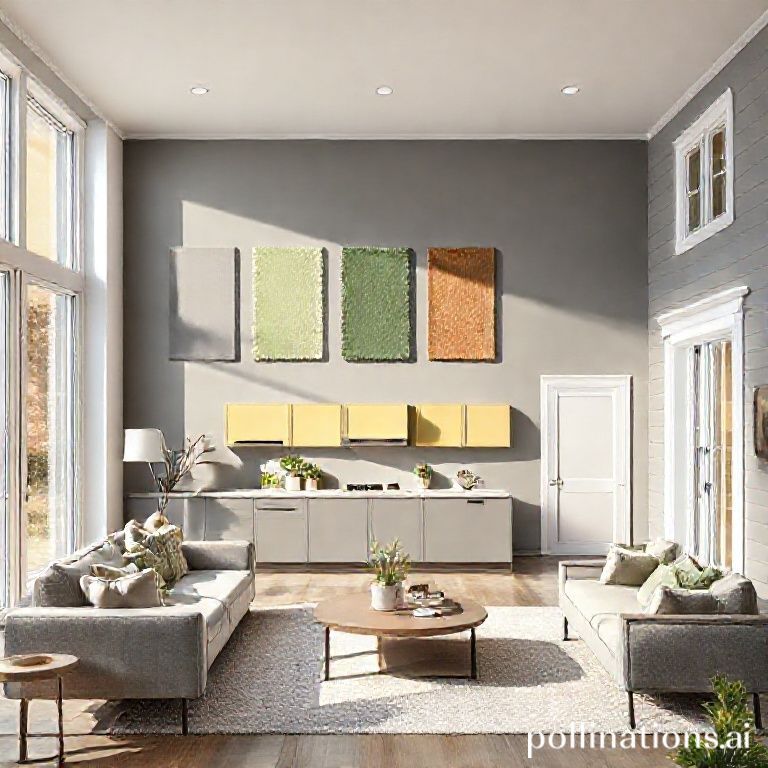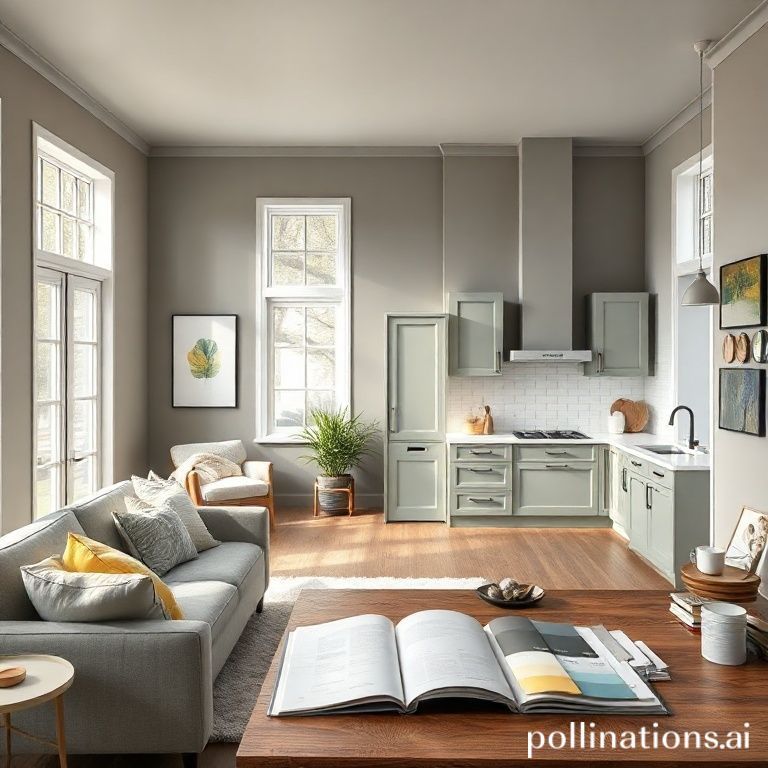
Choosing the right paint finish is an essential part of any home improvement project, with implications that go beyond just aesthetics. It can influence the ambiance of a room, how clean it stays, and how well it holds up over time. With so many options available, including matte, satin, semi-gloss, and gloss finishes, understanding the characteristics and benefits of each is vital to making an informed decision. A well-chosen paint finish enhances the beauty of your home while also meeting your functional needs.
Understanding Paint Finishes
Paint finishes are categorized primarily based on their sheen—how shiny or reflective the surface appears after application. This choice can dramatically alter the perception of space and light, playing a vital role in interior design. The four main types of paint finishes are:
- Matte Finish: Non-reflective and perfect for hiding surface imperfections. Ideal for low-traffic areas such as ceilings and bedrooms, it provides a soft, sophisticated look.
- Satin Finish: A gentle sheen that sits between matte and gloss. It’s durable and washable, making it suitable for living rooms, hallways, and children’s rooms.
- Semi-Gloss Finish: Reflective and easier to clean, semi-gloss is ideal for trim, moldings, and cabinets, providing a touch of elegance while ensuring durability against wear.
- Gloss Finish: Highly reflective and hardwearing, often used for high-touch surfaces like doors and furniture. Glossy finishes are easy to clean and maintain, making them perfect for high-traffic areas.
Factors to Consider When Choosing a Paint Finish
When selecting a paint finish, various factors come into play. Here are some key considerations:
1. Room Functionality
The primary function of the room should guide your choice. For instance, kitchens and bathrooms benefit from satin or semi-gloss finishes due to their resistance to moisture and ease of cleaning. Living areas, meanwhile, might call for a softer matte or satin finish to create a cozy atmosphere.
2. Lighting
Natural and artificial lighting can significantly impact how paint finishes appear. A satin finish can reflect light in a way that makes a space seem brighter, while a matte finish can absorb light, creating a more subdued feeling. Consider how the light interacts with your chosen color at different times of the day.
3. Style and Color
Your home’s decor style—be it contemporary, traditional, or modern—will influence the type of finish you select. For example, high-gloss finishes often complement a modern aesthetic, while matte finishes can be suited to a more rustic or traditional feel. Additionally, color plays a significant role; neutral colors may require more apparent finishes to emphasize depth, while pastels can feel softer with a matte application.
Exploring Eco-Friendly and Sustainable Options
As environmental considerations become increasingly significant, many homeowners are gravitating toward eco-friendly paints that feature low VOC (volatile organic compounds) and water-based formulas. These options not only improve indoor air quality but also align with sustainable living practices. When opting for sustainable paints, look for certified brands that incorporate recycled materials and non-toxic ingredients. Choosing eco-friendly finishes can contribute to broader sustainability goals while enhancing the beauty of your home.
Common Mistake to Avoid
A prevalent pitfall many homeowners encounter is choosing a paint finish without considering the maintenance involved. For example, a gloss finish may appear stunning initially, but in a space with high levels of wear and tear, it may require frequent touch-ups. Educating yourself about the upkeep needed for each finish can save your time and frustrations in the long run.
Practical Tips for Application and Mixing Finishes
Application Pro Tips
- Always test your paint finish on a small section of the wall to see how it interacts with your chosen color under different lighting conditions.
- Invest in high-quality brushes or rollers that suit your finish for a smoother application.
- Apply a primer appropriate for your surface to enhance paint adhesion and reduce the number of coats needed.
Mixing Finishes for Unique Effects
For a more personalized appearance, some homeowners might experiment by mixing finishes. For example, incorporating a satin finish on walls with a semi-gloss finish on trim creates an inviting contrast and can visually separate architectural elements from the painted surface, giving character to your interiors.
Conclusion and Next Steps
Your home deserves the best, and choosing the right paint finish is a crucial step in achieving that aim. By considering the room’s functionality, lighting, and style, as well as exploring eco-friendly options, you can create a space that is not only beautiful but functional. Don’t rush the decision—take the time to gather samples, consult with design experts, and thoroughly plan your project. Whether you lean towards modern aesthetics or prefer a traditional flair, the right paint finish will enhance your home’s overall appeal.
As you embark on your home improvement journey, why not explore further topics related to interior design? Dive into our posts on color palettes or discover sustainable home decor elements that align with your vision for a stylish and eco-conscious living space.