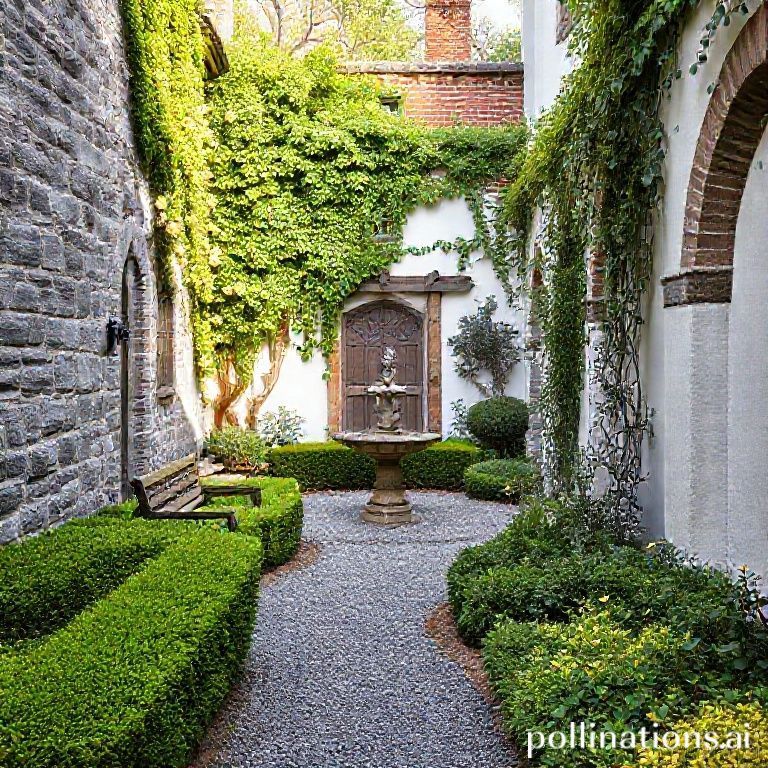
When we think of America’s historical mansions, our minds often drift to grand facades, evocative interiors, and towering columns. However, one of the most enchanting and lesser-known features of these iconic residences lies in their secret gardens. These hidden landscapes not only enhance the aesthetic appeal of the properties but also harbor rich histories and stories that reflect the values and eras of the families who once inhabited them. In this exploration, we delve into the captivating world of secret gardens in America’s historical homes, unveiling the unique designs and profound narratives behind these green oases.
The Allure of Secret Gardens
Secret gardens have a mystical charm, often associated with exploration, serenity, and the private lives of their owners. Nestled behind high walls or concealed by dense foliage, these gardens serve as personal retreats, showcasing a blend of artistry and nature. According to garden historians, the concept of a secret garden can be traced back to various cultures, where gardens were designed as sanctuaries for personal reflection and intimate gatherings. In America, these spaces have transformed over centuries, integrating diverse styles from traditional English gardens to rustic American landscapes.
A Historical Perspective on Garden Design
Historical garden design in America reflects the interplay between practical needs and artistic aspirations. In the colonial era, gardens were primarily utilitarian, providing food, herbs, and medicinal plants. However, as the nation grew, so did the desire for ornamental gardens. By the 19th century, opulent mansions began to emerge, often accompanied by exquisite gardens that showcased the wealth and sophistication of their owners. During this period, prominent figures, such as landscape architect Frederick Law Olmsted, laid the groundwork for what we now recognize as American landscape architecture, emphasizing the importance of integrating nature with built environments.
Spotlighting Iconic Historical Mansions and Their Secret Gardens
Let us journey through some of America’s most iconic historical mansions, each featuring their own secret garden that tells a unique story.
The Huntington Library: A Masterpiece of Botanical Gardens
Located in San Marino, California, The Huntington Library is renowned for its remarkable collection of botanical gardens, the most notable being the Japanese Garden, the Desert Garden, and the Chinese Garden. With approximately 120 acres of meticulously designed landscapes, these gardens embody the vision of Henry E. Huntington, a prominent figure in Southern California’s history. Huntington’s fascination with art and nature is reflected not only in the library’s expansive collection but also in the intricate designs of its gardens, each offering a unique encounter with plant life and cultural heritage.
Mount Vernon: George Washington’s Living Legacy
George Washington’s estate, Mount Vernon, in Virginia, is another prime example of a historical home with a remarkable secret garden. The estate’s gardens include a series of formal flower beds, a vegetable garden, and a fruit tree grove, all designed for both aesthetic pleasure and practicality. Washington’s deep appreciation for agriculture and botany is evident in his meticulous gardening practices, which were considered revolutionary for his time. He implemented crop rotation and experimented with various plant species, reflecting the evolving agricultural practices of the 18th century.
The Biltmore Estate: A Symphony of Landscapes
The Biltmore Estate in Asheville, North Carolina, offers a grand scale of historic garden design. Created by George Washington Vanderbilt II, the estate’s gardens are an extension of the mansion’s opulence, featuring terraced landscapes and a diverse range of plant species. One of the estate’s most alluring aspects is the Italian Garden, which provides a serene oasis complete with fountains, sculptures, and a breathtaking view of the surrounding mountains. The Biltmore’s gardens are a testament to the American interpretation of European gardening traditions, showcasing a harmonious blend of formal design and the natural beauty of the environment.
Designing a Secret Garden: Elements to Consider
Creating a secret garden can be a fulfilling project for homeowners looking to infuse their outdoor spaces with beauty and tranquility. Here are some essential elements to consider:
- Privacy: Use plantings, trellises, or fences to create a secluded area that feels intimate and inviting.
- Pathways: Incorporate winding paths that guide visitors through the garden, encouraging exploration and discovery.
- Seating Areas: Designate cozy spots for relaxation, whether through benches, hammocks, or a hidden nook surrounded by blooms.
- Native Plants: Choose flora that thrives in the local climate, ensuring sustainability and reducing maintenance.
- Water Features: Adding a small pond, fountain, or birdbath can enhance the sensory experience, attracting wildlife and creating a soothing atmosphere.
- Lighting: Incorporate ambient lighting to illuminate paths and highlight key features, allowing the garden to be enjoyed during the evening.
Common Mistakes to Avoid When Creating Secret Gardens
While the allure of having your own secret garden is undeniable, there are several pitfalls to be mindful of:
Common Mistake to Avoid: Overcrowding Plants
One common error is placing too many plants in a small space. This can lead to overcrowding, making the garden appear unkempt and detracting from the overall beauty. It is essential to leave adequate space between plants to allow for growth and to create a balanced aesthetic.
Pro Tip: Focus on Focal Points
Design experts suggest creating focal points within your garden to draw the eye and provide visual interest. This could be achieved through the use of unique sculptures, vibrant flower beds, or ornamental trees. These focal points serve as anchors within the landscape, guiding visitors’ paths and creating spaces for contemplation.
The Historical Significance of Gardens in American Architecture
The gardens surrounding historical homes are not just decorative; they are woven into the very fabric of American history. They reflect the cultural values, economic conditions, and agricultural practices of their respective eras. As many homeowners today gravitate towards sustainable gardening practices, the legacy of these historical gardens serves as a reminder of the interconnectedness of nature, design, and personal legacy.
Conclusion
As we’ve explored the secret gardens of America’s historical mansions, we have uncovered much more than mere plant choices and garden layouts. These gardens encapsulate the dreams, aspirations, and identities of their owners while offering a glimpse into the lifestyle of times gone by. Whether you find inspiration in the intricate beauty of The Huntington’s botanical gardens or the serene elegance of Mount Vernon, there is a wealth of lessons to be drawn from these hidden landscapes.
Creating your own secret garden not only honors this tradition but also enriches your personal space and invites a deeper connection with nature. As spring unfolds, consider transforming your backyard into a lush sanctuary that resonates with the historic charm of America’s grand mansions. Discover the joy of cultivating not just a garden, but a story that breathes life into your home.