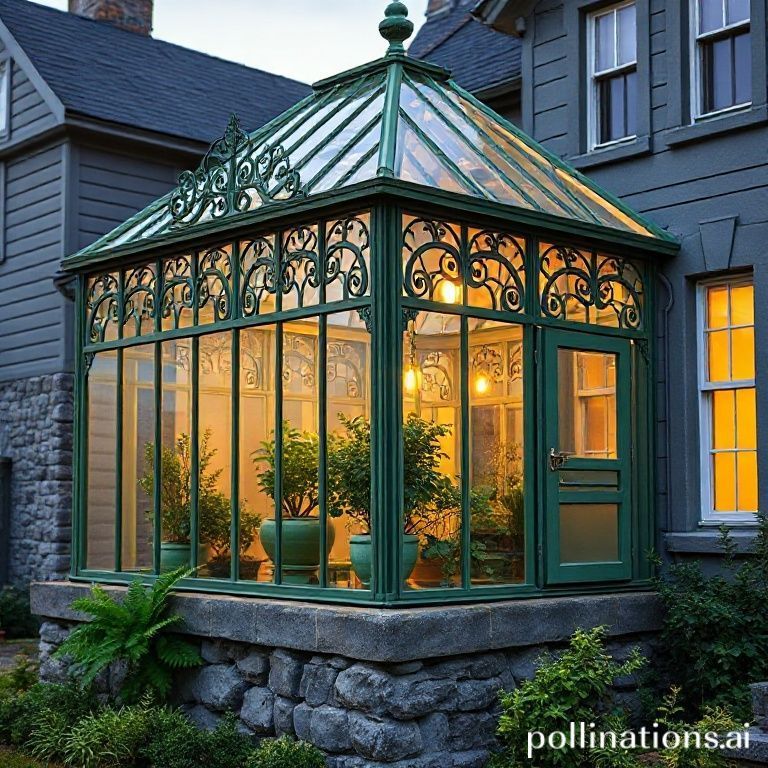
Victorian greenhouses represent a captivating aspect of architectural history, melding the intricate design of 19th-century American homes with the romantic notions of gardening that characterized the era. As homeowners embraced the Victorian aesthetic, the importance of greenery and the cultivation of plants indoors surged, leading to the emergence of these stunning glass structures. This article will delve into the significance of Victorian greenhouses in the context of American architecture, exploring their design elements and the variety of plants that thrived within their glass-clad walls.
The Genesis of Victorian Greenhouses
The Victorian era, spanning from the mid-19th century to the early 20th century, was marked by profound architectural innovation and a burgeoning interest in horticulture. This period saw an evolution in greenhouse design, transforming simple glass structures into ornate showcases of engineering and artistry. Homeowners sought to create spaces that not only demonstrated their social status but also served practical gardening purposes.
Design experts suggest that the introduction of plate glass significantly influenced the construction of greenhouses during this time. Unlike the small panes of glass used previously, plate glass allowed for larger, unbroken expanses of transparency, fostering an abundant flow of sunlight necessary for plant growth. Furthermore, the arching roofs of these structures facilitated optimal light penetration while ensuring adequate ventilation—a critical aspect in maintaining ideal growing conditions.
Architectural Elements of Victorian Greenhouses
- Materials: The primary materials employed in constructing Victorian greenhouses were wood and glass. The sturdy wooden framework not only provided structural integrity but also added a rustic charm, while the extensive use of glass maximized light availability.
- Design: Victorian greenhouses often featured elaborate designs, with intricately patterned ironwork complementing the wooden frameworks. Decorative elements such as finials and cresting adorned the roofs, showcasing the attention to detail characteristic of the Victorian design ethos.
- Layouts: Commonly, these greenhouses were attached to the main structure of the home or located nearby in the garden, allowing for convenient access. The interior spaces were thoughtfully arranged to accommodate various plants, from tropical varieties to seasonal blooms.
The Role of Victorian Greenhouses in Garden Design
As the Victorian period progressed, gardening emerged not merely as a chore but as an essential leisure activity that encapsulated the ideals of beauty and nature. Homeowners became increasingly interested in horticultural experimentation, leading to the cultivation of exotic plants that required controlled environments—precisely what the greenhouses provided.
In many cases, the greenhouse became a space of inspiration, fostering creativity and serving as a retreat from the bustle of domestic life. Garden design during this era was characterized by meticulous planning, and greenhouses often served as focal points within larger garden schemes, providing a lush backdrop to various landscaping elements.
Common Plants in Victorian Greenhouses
Victorian greenhouses supported an impressive range of flora, each chosen for specific aesthetic or practical purposes. Some of the most popular plants cultivated included:
- Tropicals: Homeowners embraced the allure of tropical plants such as orchids, ferns, and palms, which thrived in the humid environment of the greenhouse and added an exotic touch to their collections.
- Fruiting Plants: The demand for fresh fruits, such as tomatoes and cucumbers, led many homeowners to cultivate these plants in their greenhouses, ensuring a year-round harvest.
- Flowering Plants: Seasonal blooms, including roses, geraniums, and begonias, were commonly displayed, enhancing the greenhouse’s beauty while contributing to the overarching garden design.
Designer Insights: Building Your Own Historical-Inspired Greenhouse
For those looking to replicate the magic of a Victorian greenhouse, certain design principles can help channel that classic aesthetic while accommodating modern gardening needs. Here are some suggestions:
- Choose Quality Materials: Opt for durable wood, such as cedar or redwood, that not only withstands the elements but also adds visual warmth to the structure.
- Design for Light: Integrate large glass panels or even ceiling skylights to maximize natural sunlight—an essential element for plant health and growth.
- Incorporate Decorative Elements: Embrace ornamental features such as decorative trusses, wrought iron gates, and period-appropriate handles to evoke the elegance of Victorian design.
Pro Tip: Offsetting Climate Challenges
For homeowners considering the installation of a greenhouse, understanding climate control is essential. Modern greenhouses can utilize automated systems to regulate temperature and humidity effectively, ensuring that the precious plants within are protected from extreme weather conditions.
The Legacy of Victorian Greenhouses
As the years progress, the legacy of Victorian greenhouses continues to influence contemporary garden design and architecture. Many homeowners today are choosing to incorporate historically inspired elements into their outdoor spaces, blending traditional aesthetics with modern functionality. The ethereal beauty of these glass structures evokes a nostalgia for an era when gardening was celebrated as an art form and an integral component of domestic life.
Common Mistake to Avoid
A frequent error made by first-time greenhouse builders is neglecting proper ventilation. Increased humidity levels from both plants and soil can lead to mold growth and plant diseases. Always include adequate ventilation options in your greenhouse design, utilizing windows, vents, and shading techniques to ensure a healthy growing environment.
As you contemplate the incorporation of a greenhouse into your home and garden landscape, consider researching the historical aspects that inspired their design. The marriage of form and function embodied in Victorian greenhouses is not just a relic of the past but a testament to the enduring relationship between humans and nature. Whether you aspire to create an entire ornamental space or simply wish to house your favorite plants, the charm of these glass structures offers an enchanting journey into the world of gardening.
For further inspiration and to explore other aspects of historical homes and garden design, we invite you to check out our extensive resources on traditional architectural elements and the role of greenery in home aesthetics.