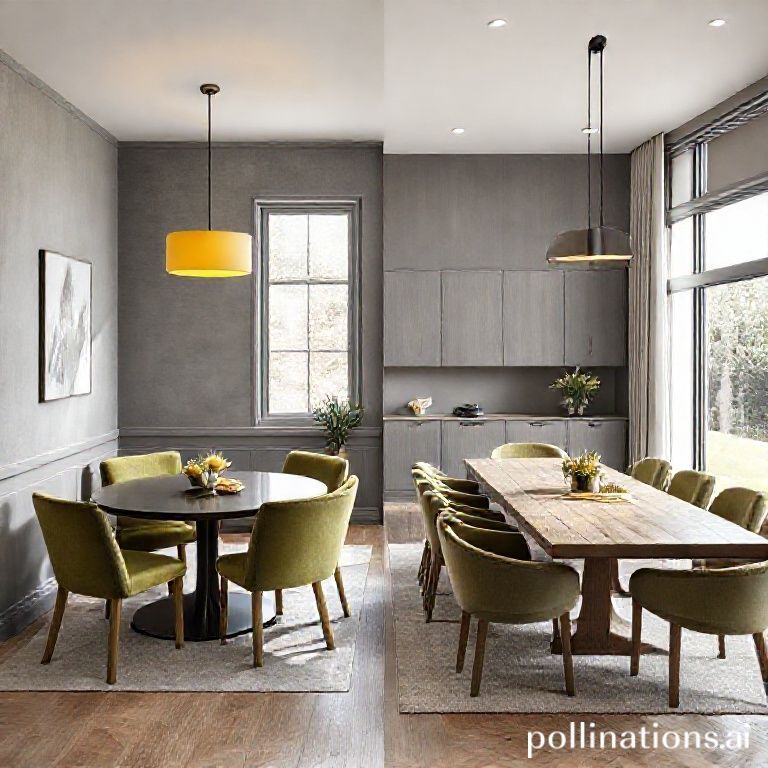
Choosing the perfect dining table size for your space is essential, especially in contemporary design where functionality and aesthetics converge. Understanding the dimensions of your dining area and the intended use can help you make a choice that enhances both the flow and the ambiance of your home. Whether you have a cozy nook or a grand dining room, this guide will provide insights on how to select the ideal size for your dining table, considering various factors like room dimensions, seating capacity, and style preferences.
Understanding Room Dimensions
The first step in choosing the right dining table size is to measure your dining space meticulously. Take into account the length, width, and height of the room. Also, consider built-in furniture or fixtures that may affect your options, such as cabinets, windows, and doors. A general rule of thumb is to allow at least 36 inches (around 91 cm) of walkway space around the table. This space is essential not just for movement, but also to accommodate chairs being pulled out.
Utilizing a Simple Formula
- Square Rooms: For a square room, the ideal dining table size can be calculated by measuring the width and subtracting 72 inches from it. For example, if the room is 12 feet wide, the maximum table size should ideally be 6 feet.
- Rectangular Rooms: Measure the length and consider that for longer rooms, a rectangular table works better. For a room that is 15 feet long, a table of around 5 to 7 feet would usually suffice.
Seating Capacity: Finding Balance
The seating capacity of a dining table is crucial to understanding the ideal size. The size you choose must comfortably accommodate your family and any guests, without feeling cramped.
Standard Measurements
- Rectangular Tables: Typically, each person needs about 24 inches (60 cm) of space. As a result, a 6-foot table can comfortably seat 6 people, allowing 3 on each side.
- Round Tables: For round tables, the formula is slightly different. A 60-inch table can seat 6 people, while a 72-inch table can accommodate up to 8 guests.
Style Preferences: Contemporary, Modern, or Traditional?
Your choice of dining table should reflect your personal style, resources, and how you plan to use the space.
Contemporary Style
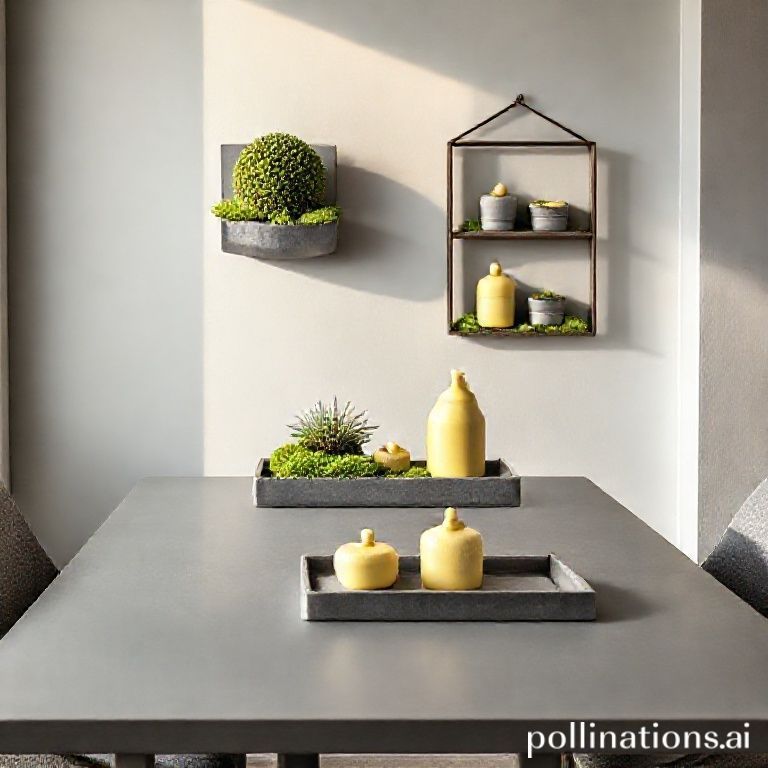
Contemporary designs often use sleek lines and minimalism. When selecting a table, opt for pieces that utilize wood or metal with clean finishes. A rectangular table can make a striking centerpiece, while a round table creates intimacy for gatherings.
Modern Style
A modern style dining table may incorporate mixed materials—think wood bases with metal tops. Rectangular and oval shapes in lighter tones tend to be popular. They provide a clean look that pairs well with colorful accent chairs, allowing versatility in your dining area.
Traditional Style
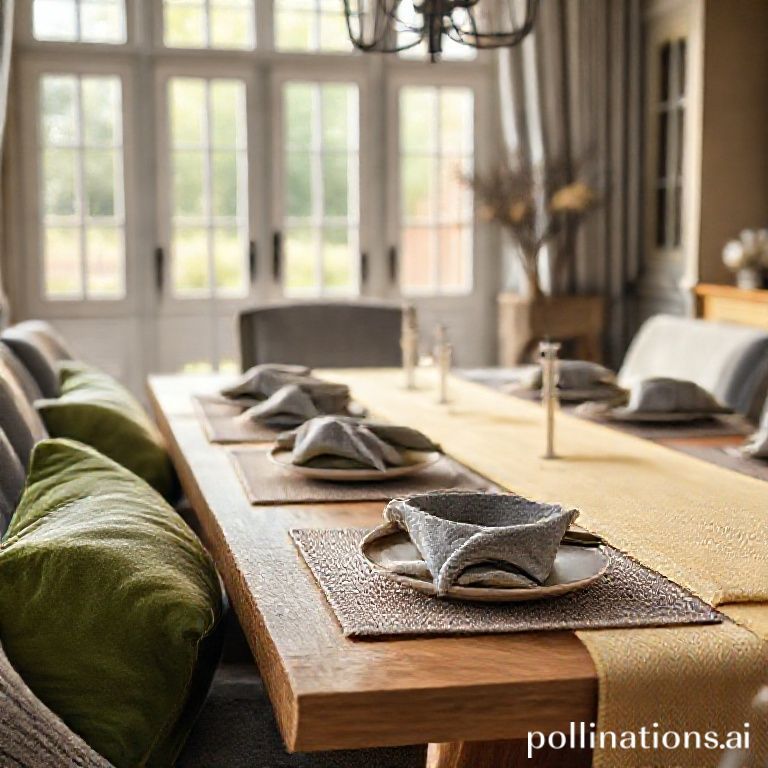
If you prefer more ornate designs, opt for a wooden dining table with intricate carvings. Traditional styles often favor rectangular shapes that exude elegance. Choose earth tones to harmonize with your other decor elements.
Small Dining Room Ideas
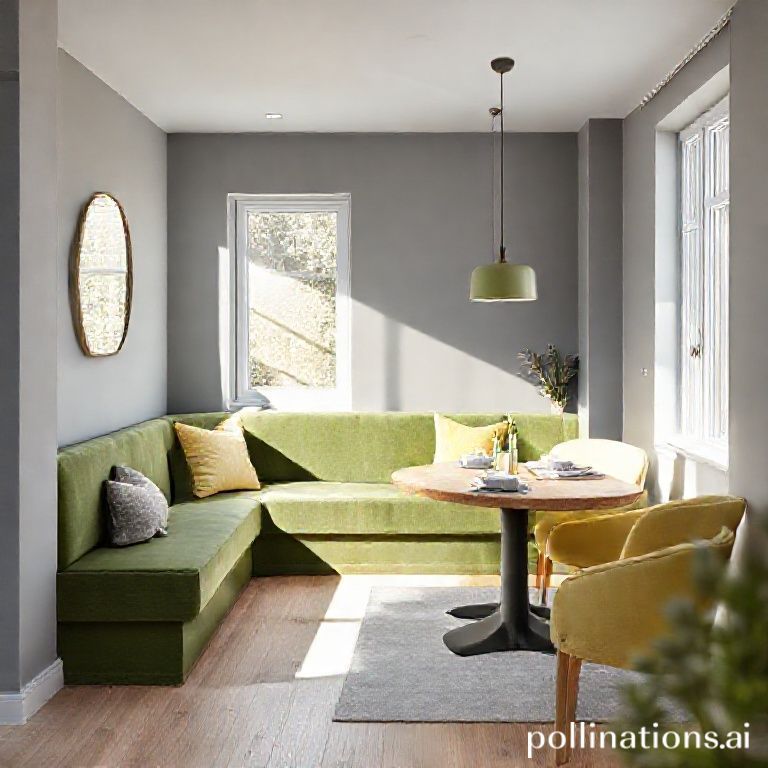
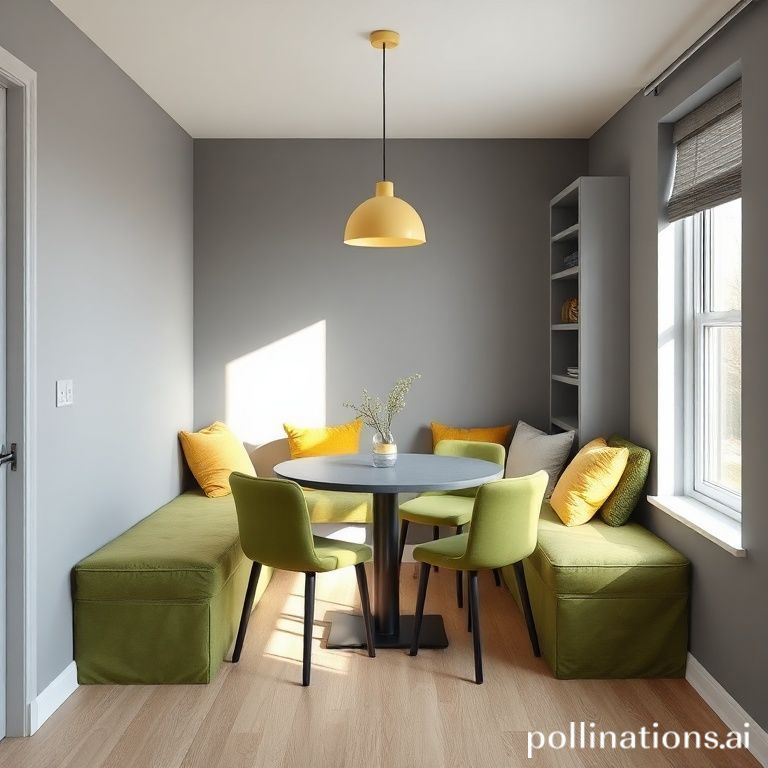
For small dining areas, selecting the right table becomes even more critical. Multi-purpose furniture is an excellent way to maximize space. Consider extendable tables which can be compact when not in use and expanded for gatherings. Round tables typically help create a flow that takes up less space while enhancing the coziness of smaller areas.
Pro Tips for Small Spaces
- Choose a table with integrated storage to keep your dining utensils handy.
- Opt for transparent or glass tables to create an illusion of space while offering durability.
- Use wall-mounted drop-leaf tables that can be folded down when not in use.
Large Dining Room Furniture Considerations
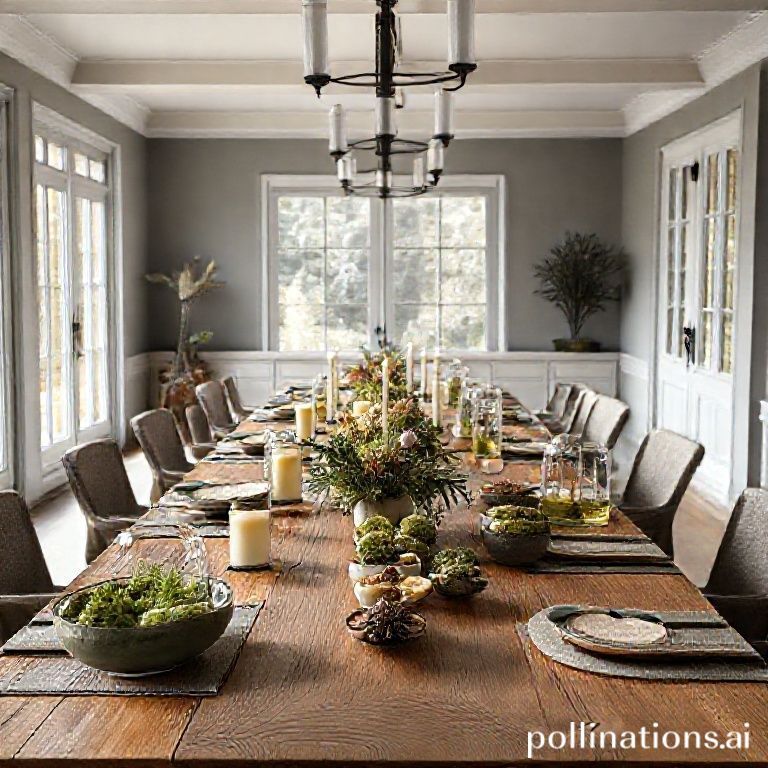
Conversely, in larger dining rooms, the table can often become the focal point of the space. Make use of sizes that allow movement while still providing ample seating. Luxury dining sets can typically fit within a spacious arrangement.
Common Mistakes to Avoid
- **Overcrowding the Space:** Too large a table can clutter your room and make it feel smaller. Always measure.
- **Ignoring Traffic Flow:** Make sure there is enough space to walk around, especially if the dining room connects to other areas.
- **Disregarding Seating Style:** Ensure the chairs complement the table size for harmony in design and functionality.
Conclusion: Finding Your Perfect Match
Choosing the perfect dining table size encompasses various factors, reflecting both functionality and aesthetic needs. By assessing your space, considering your family size, and aligning with your design style—whether it is contemporary, modern, or traditional—you can discover a dining table that doesn’t just serve a purpose but enhances your home’s atmosphere. Remember, the right table connects family and friends at meals, making it a vital part of your home.
Explore more about how to redefine your dining experience with our comprehensive guides on dining room design ideas and furniture evolution!