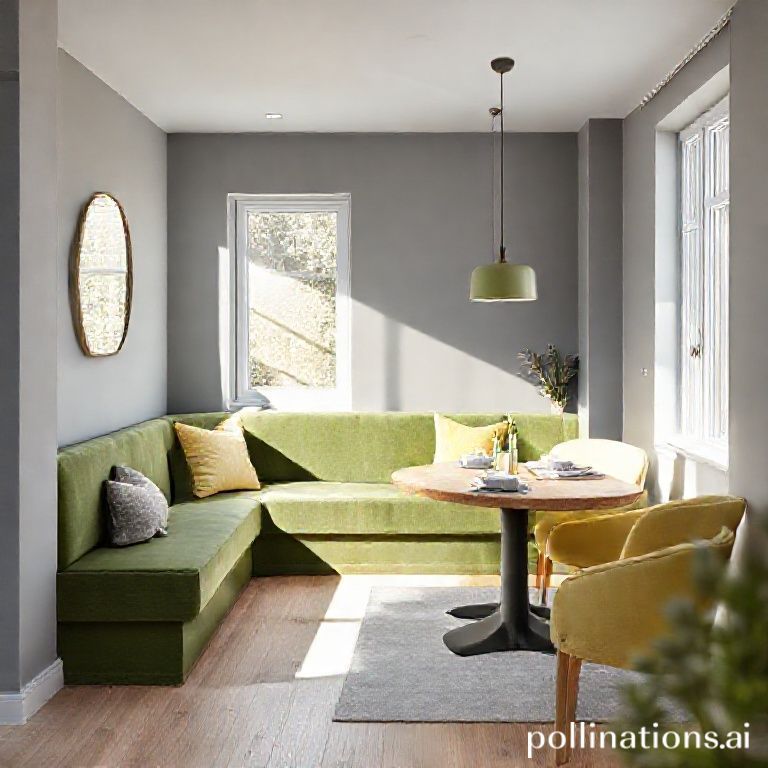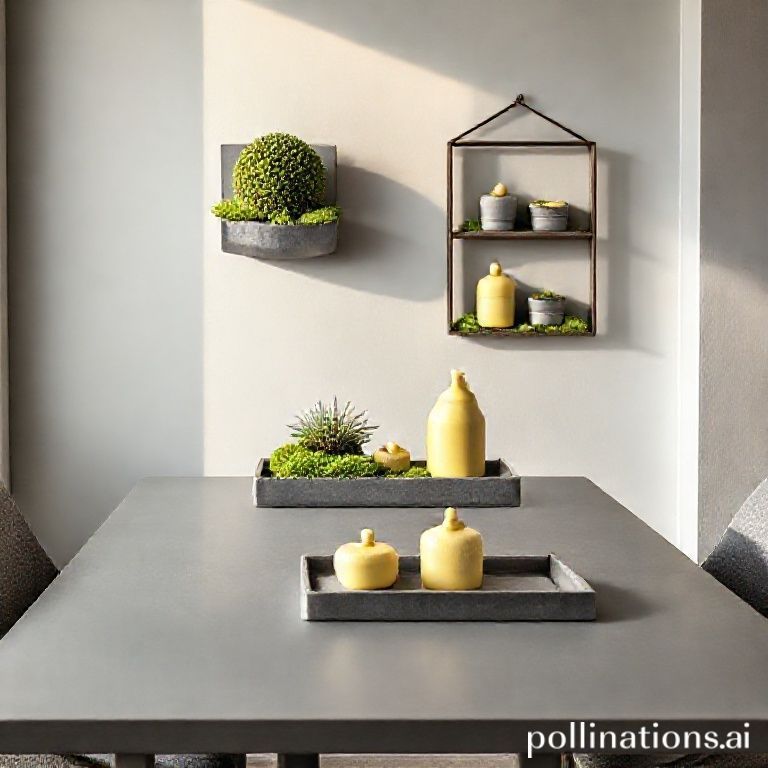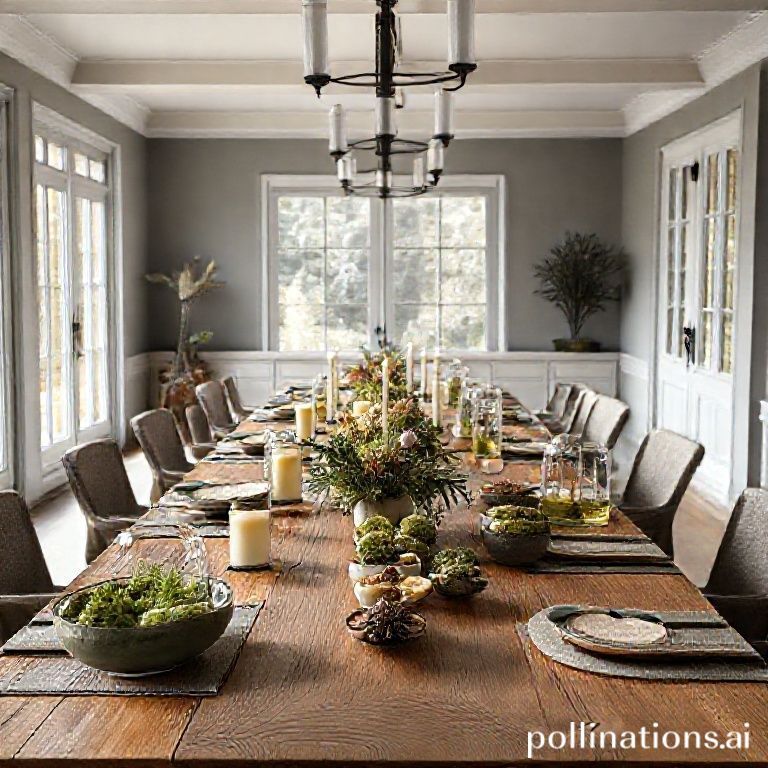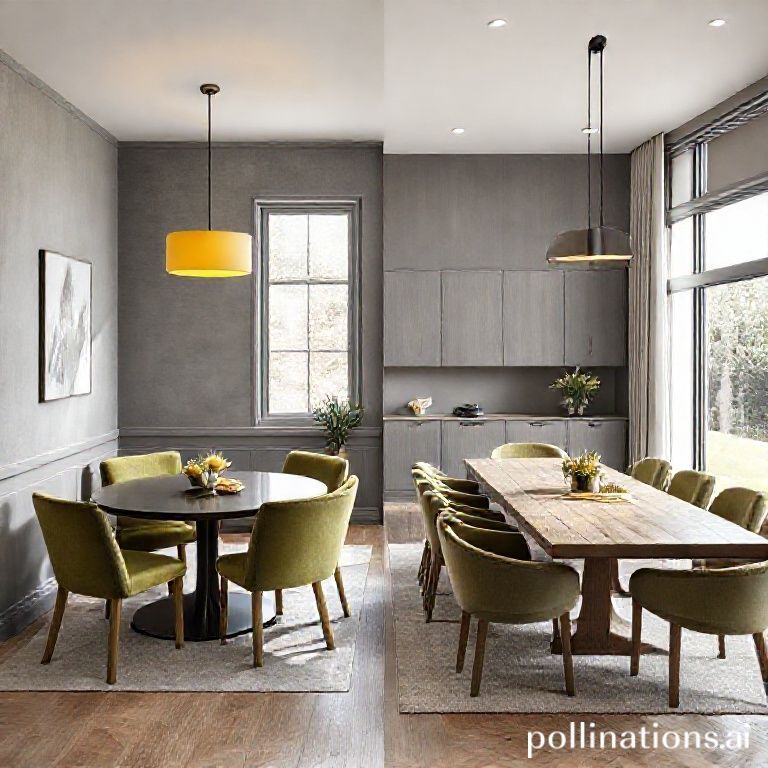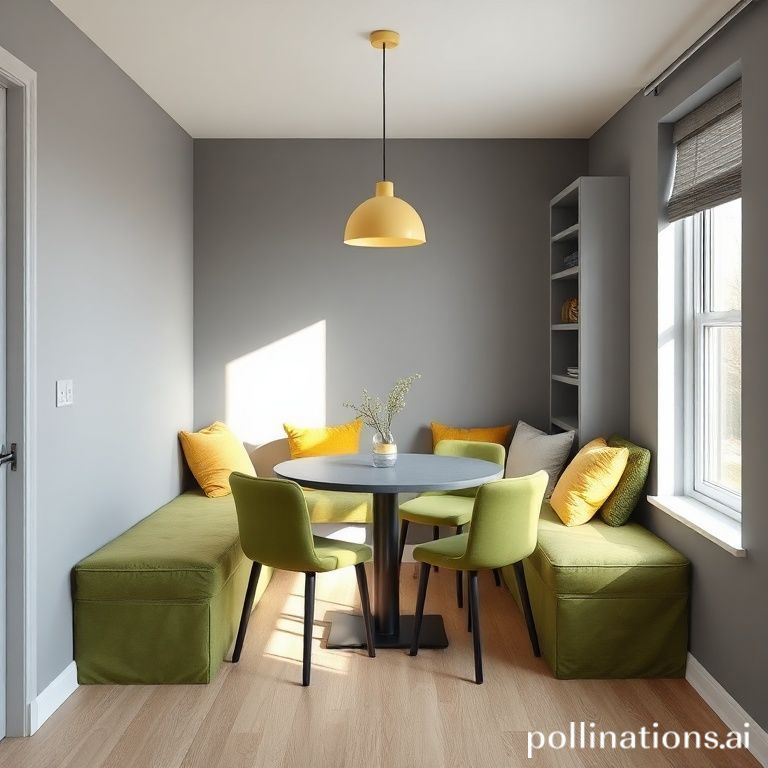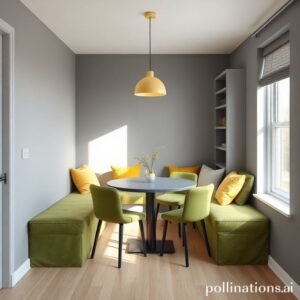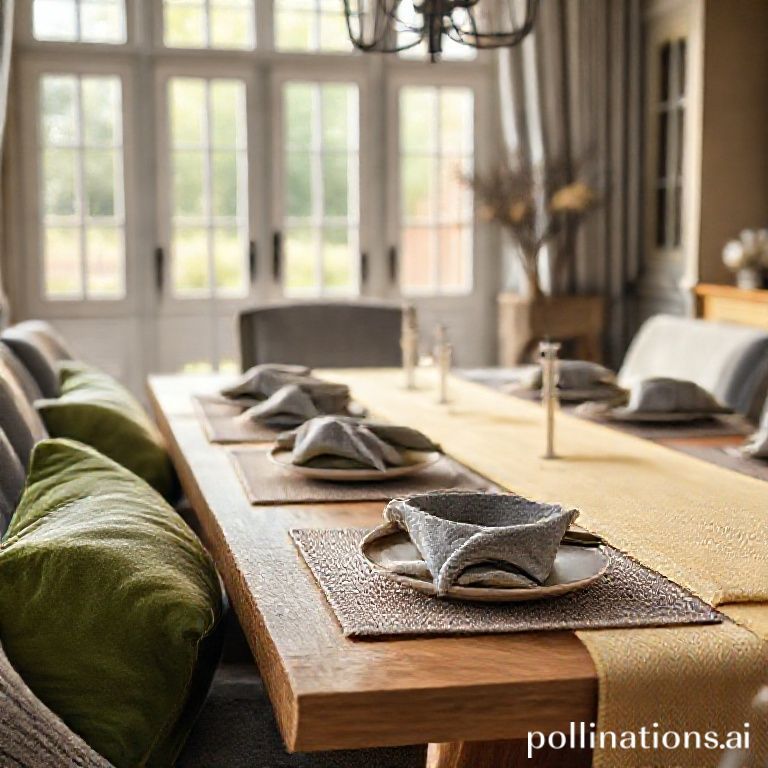
Creating a cozy and inviting atmosphere in your dining room is not just about the furniture; it’s also heavily influenced by the textiles you choose. The art of layering textiles is a crucial aspect of home decor that can transform your dining space into a warm and welcoming area, perfect for family gatherings or intimate dinners with friends. In 2025, we are witnessing a significant trend where homeowners are opting for diverse fabrics and materials to enhance both aesthetics and functionality in their dining areas. Let’s dive deeper into the essential components of layering textiles to elevate your dining room experience.
The Importance of Textiles in Dining Room Decor
Textiles play a vital role in setting the mood of your dining room. They add depth, comfort, and personality, enhancing not just visual appeal but also the overall dining experience. From table runners and placemats to curtains and upholstered chairs, every piece contributes to the comfort level as well as the visual dynamics of the space.
Layering textiles can introduce a variety of textures, colors, and patterns that work in harmony to create a cohesive look. Experts in home decor emphasize that balancing these elements is crucial; for instance, combining different textiles can bring a rustic charm to a farmhouse-style dining room or a vibrant energy to a Bohemian-themed space.
Understanding Textures
Textures are paramount when it comes to textile layering. Incorporating diverse materials—such as natural fibers, synthetic fabrics, and even leather—can create an intriguing sensory experience. Textiles with different textures interact in a way that enhances the overall design, offering a tactile experience that complements the visual appeal. Consider ultimately layering soft linen tablecloths over sturdier cotton or jute runners. This not only adds visual dimension but also invites guests to engage physically with the dining setup, enhancing the welcoming atmosphere.
Creating Layered Looks: A Step-by-Step Guide
When it comes to effectively layering textiles in your dining room, there’s no one-size-fits-all approach. However, following a structured method can help achieve a vibrant yet harmonious look:
- Choose Your Base Layer: Start with a foundation, such as a tablecloth. Decide between a neutral earth tone or a pastel hue that goes well with existing furniture. Fabrics like cotton or linen are excellent choices due to their breathable nature.
- Add a Table Runner: Next, introduce a contrasting table runner. This can be a colorful patterned fabric that reflects the Bohemian style or a subtle stripe for Farmhouse aesthetics. The runner adds another visual layer and also protects the table surface.
- Incorporate Placemats: For added interest, layer placemats atop the runner. Utilize different shapes, like round wicker or rectangular fabric, to bring distinct qualities. This layering not only defines each dining space but also allows for easy cleaning after meals.
- Accessorize with Textiles: Finally, embellish the setup by incorporating cushioned chairs with soft fabric covers and throw pillows. This invites guests to relax and enjoy their dining experience, further emphasizing comfort.
Color Schemes that Emphasize Texture and Warmth
When selecting colors for textiles, homeowners are increasingly drawn towards muted earth tones, natural neutrals, and soft pastels. Earth tones evoke a sense of calm and connection to nature, making them ideal for a dining room. They create a soothing backdrop against which colorful accessories can shine.
For a Bohemian vibe, consider layering warm rust, olive green, and deep terracotta. These colors, when mixed with various patterns and rich textures, can evoke an inviting tapestry that tells a story. Conversely, Farmhouse styles typically favor lighter hues such as creams and soft blues that contrast beautifully against darker wooden furniture, creating a fresh yet cozy environment.
Material Matters: Choosing the Right Fabrics
Fabric selection is critical when layering textiles in the dining room. Various textiles serve different purposes, and understanding their unique characteristics can guide your decisions:
- Natural Fibers: Linen and cotton are breathable, easy to clean, and perfect for dining settings. Their natural texture adds warmth and depth.
- Synthetic Fiber: Polyester or blends can offer durability and stain resistance, making them suitable for families or frequent entertainers.
- Natural Woven Materials: Wicker or rattan can create an organic feel, especially in a rustic or Bohemian setting. These materials can be featured as placemats or table decorations.
Pro Tip:
When selecting textiles, always consider how they will perform in a dining setting. For instance, avoid overly slippery fabrics for table runners, as these may shift easily during use. Opt for textiles that are not only beautiful but also practical.
Common Mistakes to Avoid in Layering Textiles
While layering textiles can significantly enhance your dining room decor, certain pitfalls can detract from your vision. Here are some common mistakes to steer clear of:
- Overcomplicating Patterns: Too many clashing patterns can overwhelm the senses. Aim for a few key patterns that complement rather than compete.
- Ignoring Functionality: Ensure that aesthetics don’t compromise usability. Choose textiles that can withstand spills and are easy to maintain.
- Neglecting the Space’s Architecture: Consider the overall architectural style and color palette of the room. Layering should feel like an extension of your design style.
Final Thoughts and Internal Call to Action
Mastering the art of layering textiles in your dining room can dramatically enhance the warmth and functionality of the space. By thoughtfully combining colors, textures, and patterns, you can create an inviting ambiance that is perfect for any occasion. Remember, the key lies in balancing aesthetics with functionality, ensuring that your dining room remains both comfortable and stylish.
For more inspiration on decorating your home, don’t forget to explore our other articles on Bohemian, Farmhouse, and Rustic styles. Your cozy dining room awaits!