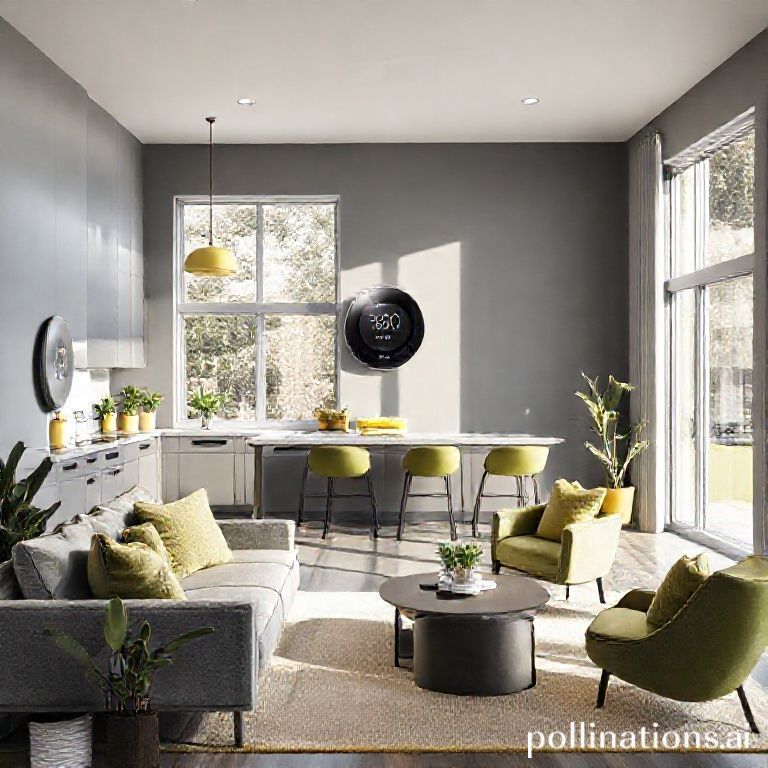
Living in a small apartment often comes with its unique set of challenges, especially when it comes to managing energy consumption and keeping utility bills low. However, implementing energy-efficient practices and solutions doesn’t have to mean costly renovations or complicated upgrades. Instead, there are numerous practical and budget-friendly strategies that renters and homeowners alike can adopt to enhance energy efficiency without compromising on comfort or functionality. Here are ten simple yet impactful ways to improve energy efficiency in small apartments, ensuring you create a sustainable living space that’s both cozy and cost-effective.
The Importance of Energy Efficiency in Small Apartments
Energy efficiency matters not only for reducing costs but also for minimizing your carbon footprint. Many small apartment dwellers are either students or singles who may not have the budget for vast renovations yet seek to maximize their environmental impact positively. According to energy experts, small spaces can often maximize energy-saving potentials since they require less energy to heat, cool, and illuminate.
1. Seal Windows and Doors
One of the primary sources of heat loss in small apartments is through windows and doors. Drafty windows can significantly undermine your heating system’s efficiency during colder months or cause unnecessary cooling during summer. Start by inspecting the seals around your windows and doors for any gaps or cracks where air might be escaping. A simple DIY approach can involve using weatherstripping or caulk to seal these gaps effectively. Over time, this technique can lead to a noticeable drop in energy consumption and an improvement in comfort levels.
Pro Tip:
- Consider using a candle or incense stick to detect drafts. If the smoke wavers, you have found an air leak.
2. Optimize Heating and Cooling Systems
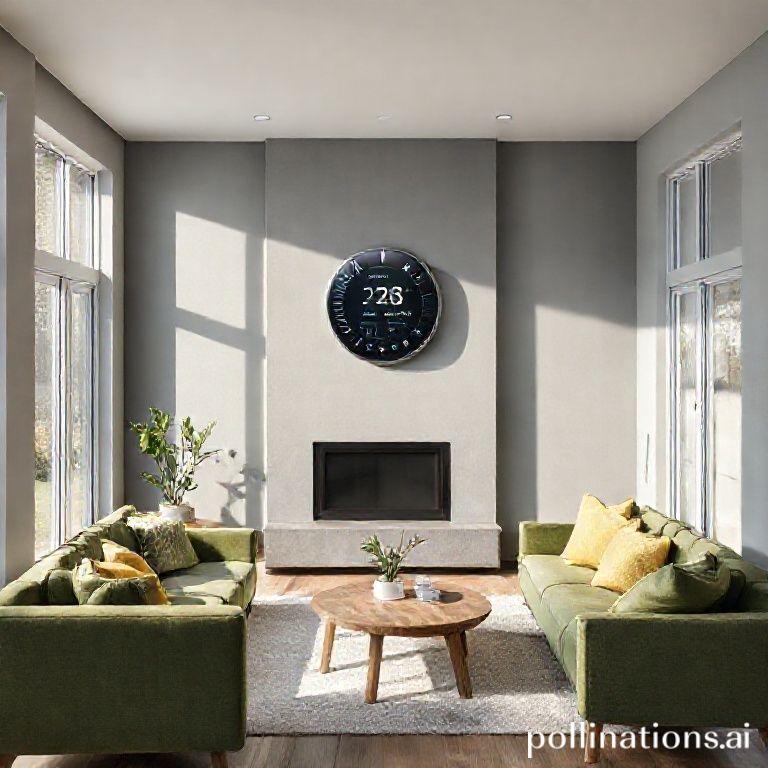
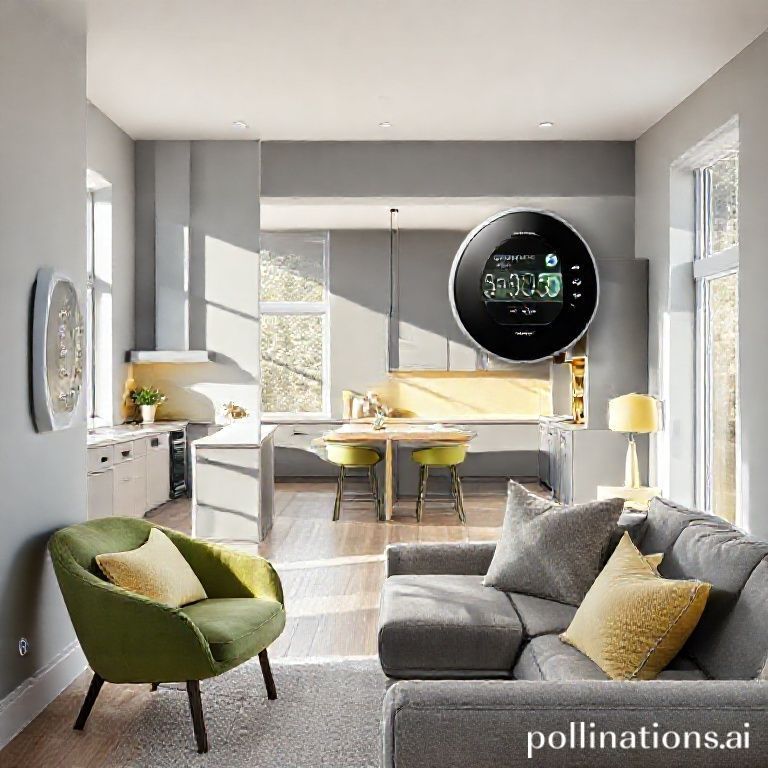
In many small apartments, heating and cooling systems play a crucial role in energy usage. Programmable thermostats offer an excellent solution, allowing for temperature adjustments based on your schedule, reducing energy wastage while you’re away. For those using space heaters or window air conditioning units, ensure they are energy-efficient models designed to optimize power usage while delivering adequate comfort.
Common Mistake to Avoid:
Don’t place furniture in front of heating or cooling vents. This can obstruct airflow, forcing your system to work harder and consume more energy.
3. Invest in Energy-Efficient Appliances
Small apartments benefit greatly from the use of energy-efficient appliances. Look for models with the ENERGY STAR label, which signifies that they meet strict efficiency guidelines set by the U.S. Environmental Protection Agency. These appliances might have a higher upfront cost but can lead to savings on your utility bills over time, making them a wise investment.
4. Switch to LED Lighting
Traditional incandescent bulbs consume a significant amount of energy and have a shorter lifespan compared to LED lighting. By replacing all your light fixtures with LED options, you can save up to 75% on your lighting energy costs. Furthermore, LED lights produce less heat, which can help keep your apartment cooler during warmer months.
5. Use Energy-Efficient Window Treatments
Window treatments can significantly affect your apartment’s energy efficiency. Opt for insulated curtains or shades designed to block out heat in summer and conserve warmth in winter. These treatments can also help reduce glare and protect your furnishings from sun damage—making them a dual-purpose investment in both energy savings and aesthetics.
Designer Insight:
Choose neutral or earth tones for window treatments to align with a contemporary and modern style—a choice that will also complement a variety of décor.
6. Implement Smart Power Strips
Many electronics continue to consume energy even when turned off—a phenomenon known as phantom load. Smart power strips are designed to combat this issue by cutting power to devices that enter standby mode, thus saving energy. This is especially useful for small apartments where multiple devices, like TVs and computers, often clutter both space and electrical outlets.
7. Optimize Water Heating
For renters lacking control over the main heating source, managing the water heater can still yield savings. Set your water heater to the warm setting (around 120 degrees Fahrenheit), which is sufficient for most needs while reducing energy consumption. Additionally, wrapping your water heater in an insulating blanket can further enhance its efficiency. For washing dishes, consider using a basin instead of running water continuously, saving both energy and water.
Pro Tip:
- When doing laundry, wash in cold water whenever possible and only run the dryer when absolutely necessary. Hang clothes to dry in your apartment instead.
8. Maximize Natural Light
Utilizing natural light is not just an aesthetic choice; it significantly affects energy consumption. By keeping windows unobstructed during daylight hours, you can reduce reliance on artificial lighting. Moreover, mirrors can be strategically placed to reflect sunlight deeper into your space, creating a brighter and more welcoming ambiance without additional energy use.
9. Incorporate Houseplants
Integrating houseplants into your small apartment’s design not only purifies the air, thus reducing reliance on air filtration systems, but also can enhance your well-being. Addition of greenery provides natural humidity, making your surroundings more comfortable and less dependent on mechanical humidifiers. Consider hardy, low-maintenance plants such as snake plants or pothos, which thrive indoors and require minimal resources.
10. Conduct an Energy Audit
For a comprehensive understanding of where energy is potentially wasted, consider conducting an energy audit of your apartment. Many utility companies offer free energy audits or resources to help you identify areas for improvement. This could include air leaks, insulation issues, and suggestions tailored to your specific apartment layout.
Common Mistake to Avoid:
Post-audit, be cautious not to overlook minor adjustments that can lead to significant savings over time. Start with the most impactful changes first to create a cascade effect of positive results.
Conclusion: Transforming Your Apartment Into an Energy-Efficient Sanctuary
Improving energy efficiency in small apartments is not only achievable but can also be an enjoyable endeavor that requires minimal investment and effort. By implementing these ten practical tips, you can create a more comfortable living space that reflects sustainability, functionality, and modern style. From sealing drafts to harnessing the natural beauty of houseplants, every small change contributes to a larger impact on both your utility bills and the environment.
As you embark on this journey of energy efficiency, remember that each step you take reduces your carbon footprint and fosters a sustainable lifestyle. Explore other posts on our blog for more in-depth insights on contemporary styles, eco-friendly materials, and clever design tips to further enhance your small apartment living experience!