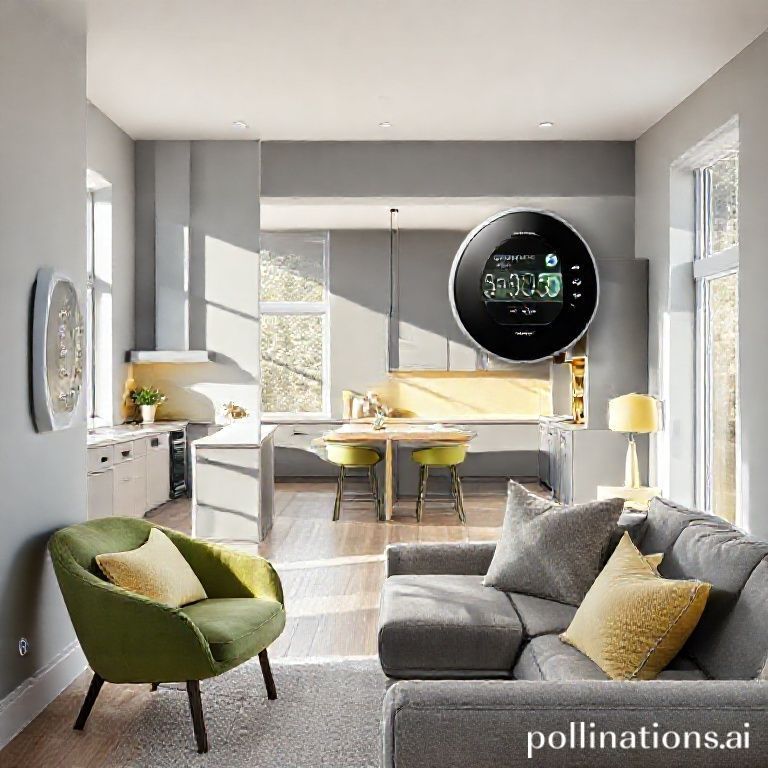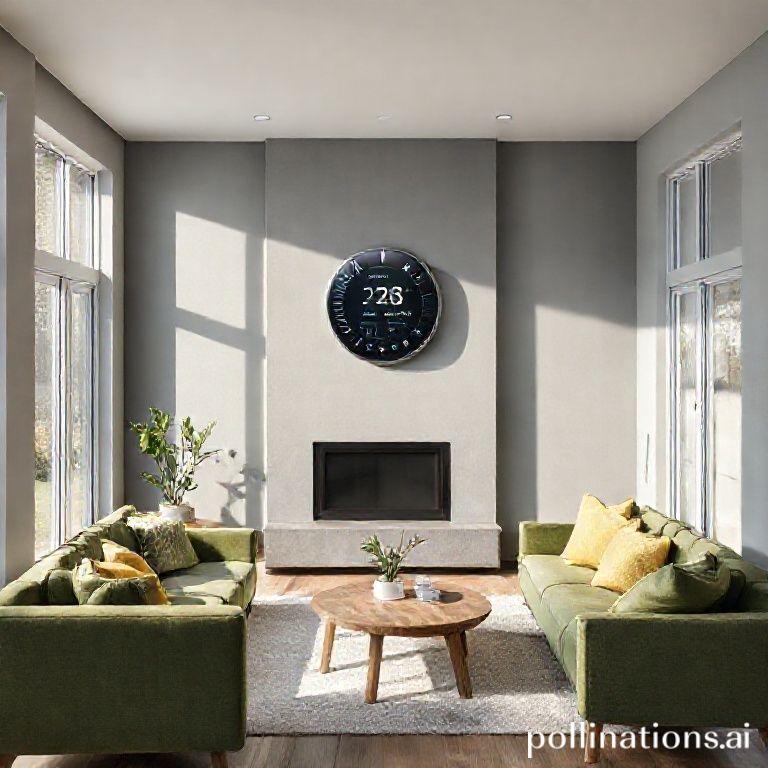
In an era where sustainability and energy efficiency are at the forefront of home improvement discussions, smart thermostats have emerged as a pivotal tool for homeowners seeking to optimize their energy usage. These advanced devices not only enhance comfort but also significantly contribute to reducing energy costs and environmental impact. This article delves into the manifold benefits of smart thermostats while providing actionable insights into how they function, their superior advantages over traditional systems, and how they can be integrated into a smart home ecosystem for maximum sustainability.
The Role of Smart Thermostats in Energy Savings
Smart thermostats are Wi-Fi-connected devices that allow homeowners to control their heating, ventilation, and air conditioning (HVAC) systems remotely. This capability provides flexibility and convenience unmatched by manual or programmable thermostats. According to studies, households utilizing smart thermostats can observe energy savings ranging from 10% to 30% compared to homes using standard systems.
This increased efficiency is attributed to several innovative features unique to smart thermostats, such as:
- Remote Access: Homeowners can adjust temperatures from their smartphone or tablet, preventing unnecessary heating or cooling when away from home.
- Learning Algorithms: Many smart thermostats learn from user behavior, adapting to preferred temperatures and schedules without the need for constant manual programming.
- Energy Usage Reports: Regular insights into energy consumption help users understand their usage patterns, allowing them to make informed adjustments for further savings.
Understanding the Technology Behind Smart Thermostats
The technology in smart thermostats goes beyond mere temperature regulation. They integrate various sensors and data metrics to optimize HVAC operations intelligently. For instance:
- Temperature and Humidity Sensors: Smart thermostats can monitor both interior and exterior conditions, adjusting settings based on real-time data rather than pre-set schedules alone.
- Geo-Fencing Capabilities: By tracking the homeowner’s phone location, these devices can automatically switch to energy-saving modes when the house is empty.
- Air Quality Monitoring: Certain models can assess the air quality within a home, alerting users to necessary maintenance tasks, such as filter replacements, which can impact energy efficiency.
Comparing Smart Thermostats to Traditional Systems
Traditional thermostats often require manual adjustments or rely on inefficient programming, leading to unnecessary energy consumption. In contrast, smart thermostats provide:
- User-Friendly Interfaces: Most smart thermostats feature intuitive applications that simplify controls, making it easier for families to embrace energy-saving practices.
- Integration with Smart Home Systems: These devices effortlessly connect with other smart home technologies, such as lighting and security systems, creating a more cohesive energy management strategy.
- Adaptive Scheduling: Unlike programmable thermostats that rely heavily on user input, smart thermostats use machine learning to adjust settings automatically based on historical data and real-time observations.
Practical Benefits for Your Home
Implementing a smart thermostat can yield impressive advantages that extend beyond mere financial savings. Families, singles, and others prioritizing energy efficiency can experience enhanced comfort through precise climate control tailored to their daily routines. Here are a few notable benefits:
- Increased Home Value: Smart home technologies can boost the marketability of your property, appealing to eco-conscious buyers looking for state-of-the-art facilities.
- Environmental Impact: By reducing energy usage, smart thermostats contribute to fewer greenhouse gas emissions, supporting broader sustainability goals.
- Cost Savings: With reduced energy consumption, homeowners can potentially save hundreds of dollars annually, making smart thermostats a financially sound investment.
Pro Tips for Maximizing Energy Efficiency
To ensure you derive the fullest benefit from your smart thermostat, consider these professional insights:
- Install sensors in different rooms: By monitoring temperatures in various spaces, your thermostat can better understand heating and cooling demands.
- Make use of energy-saving modes: Familiarize yourself with the energy-saving features your thermostat provides, particularly when the house is unoccupied.
- Regularly update the device: Keep your smart thermostat’s software current to ensure optimal performance and access to the latest energy-saving innovations.
Common Mistakes to Avoid When Using Smart Thermostats
While smart thermostats simplify energy management, users can fall into traps that hinder their efficiency:
- Neglecting to Utilize Learning Features: Many users overlook the learning capabilities of their devices. Allow your thermostat time to adapt to your preferences by using it consistently.
- Ignoring Seasonal Adjustments: If you have settings solely based on summer or winter, remember to revisit these as seasons change to avoid wasted energy.
- Failure to Review Energy Reports: Regularly checking your energy report can help you to identify patterns and make adjustments that lead to further savings.
Conclusion: Embracing a Sustainable Future
As families and individuals alike strive for more sustainable lifestyles, smart thermostats ultimately bridge the gap between modern technology and energy efficiency. By optimizing heating and cooling schedules, these remarkable devices not only diminish energy costs but also encourage a broader commitment to environmental responsibility. For homeowners contemplating upgrades, the transition to a smart thermostat is a proactive step towards a greener home. Explore various smart home solutions available today and take action towards a more energy-efficient and eco-friendly living space.
For additional insights into home improvement and sustainable practices, explore our categories on energy efficiency and eco-friendly materials for more inspiration!