In today’s world, where energy efficiency is more crucial than ever, technological advancements provide viable solutions for reducing energy waste in our homes. One of the most significant innovations in this arena is the smart thermostat, a device that goes beyond simple temperature control to revolutionize heating and cooling systems. By optimizing energy consumption, smart thermostats not only lead to substantial cost savings but also promote a greener environment, aligning perfectly with modern sustainable living principles.
Understanding Smart Thermostats
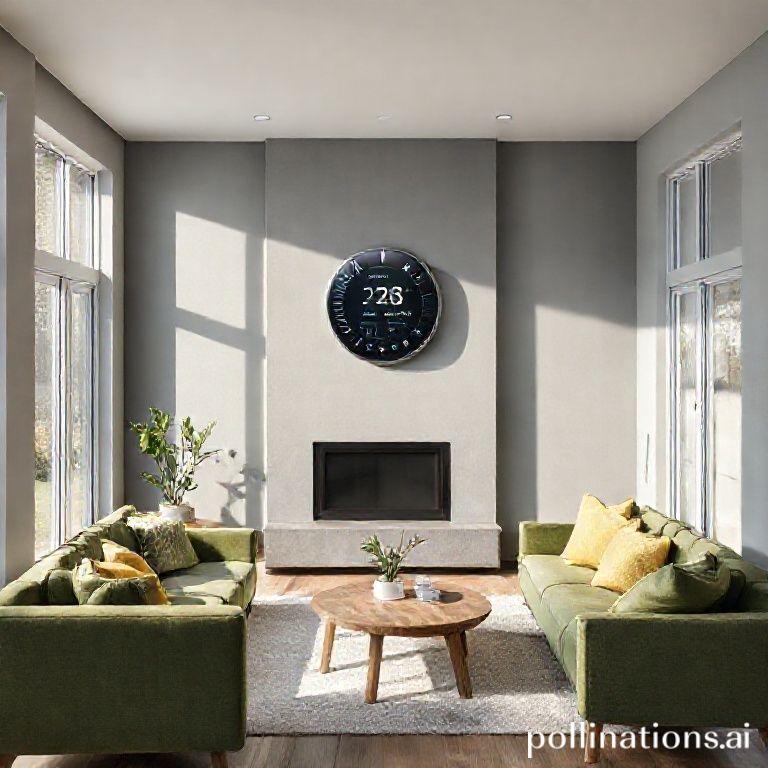
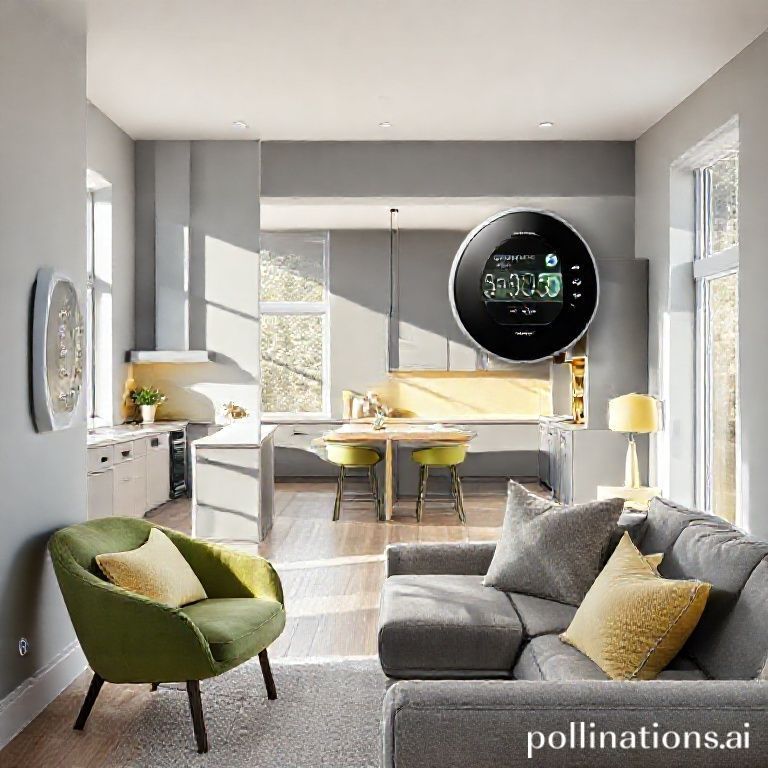
Smart thermostats are Wi-Fi-enabled devices that allow homeowners to regulate their heating, ventilation, and air conditioning (HVAC) systems remotely via smartphones, tablets, or laptops. Unlike traditional manual or programmable thermostats, which require users to set specific temperature schedules, smart thermostats utilize sensors and algorithms to learn and adapt to the household’s occupancy patterns, preferences, and external weather conditions. This allows them to automatically adjust the temperature for optimal comfort and efficiency.
The Evolution from Manual to Smart
Historically, the first types of thermostats were manual analog models, requiring users to adjust the temperature manually. With the advent of programmable thermostats, homeowners could schedule temperature changes, but many encountered issues with incorrect programming or forgetting to adjust settings, leading to increased energy consumption. A study by Florida Power & Light revealed that a significant percentage of users did not utilize the programming feature effectively, resulting in greater energy usage than using a simple manual thermostat.
Smart thermostats directly address these shortcomings by incorporating intuitive technology that minimizes human error and maximizes energy efficiency. With automated adjustments based on real-time data, these devices ensure your home remains at a comfortable temperature while reducing unnecessary energy use.
Key Benefits of Smart Thermostats
- **Energy Savings**: Smart thermostats can lower energy bills considerably by optimizing HVAC usage patterns. According to studies, households can achieve energy savings of up to 30% annually.
- **Remote Access**: Users can monitor and adjust their home’s temperature from virtually anywhere, ensuring control over energy consumption even when away.
- **Learning Capabilities**: Many smart thermostats utilize machine learning algorithms to understand routine patterns, creating a customizable heating and cooling schedule without manual input.
- **Energy Reports and Alerts**: These devices provide insights and notifications regarding energy usage, helping users become more aware of their consumption habits and alerting them when the HVAC system requires maintenance.
How Smart Thermostats Operate
Smart thermostats collect data through built-in sensors that monitor temperature, humidity, and occupancy levels. This information allows them to make real-time decisions about heating or cooling your home. They can also interface with other smart home devices, enabling coordinated energy management. For example, when integrated with a smart home system, the thermostat can communicate with smart lights to turn them off when a room is vacant, further enhancing energy efficiency.
Installation and Compatibility
Installing a smart thermostat is typically a straightforward process, particularly for homeowners who are comfortable with basic electrical work. However, not all HVAC systems are compatible with every smart thermostat, so it’s essential to check compatibility before making a purchase. Many smart thermostat manufacturers offer installation guides or professional installation services to help ease this process. Additionally, some models are designed specifically for heating-only or cooling-only systems, while others can be used with heat pumps, multi-stage heating, and cooling systems.
Common Mistakes to Avoid When Using Smart Thermostats
- **Neglecting to Update Software**: Regularly updating the thermostat’s software is important for performance and security. Many smart thermostats will automatically update, but users should verify if their model requires manual updates.
- **Failing to Utilize Learning Features**: Many homeowners do not take full advantage of the learning capabilities by consistently overriding settings rather than allowing the thermostat to learn their habits.
- **Ignoring the Energy Reports**: The insights provided by energy reports are invaluable for identifying trends and potential adjustments that can lead to savings. Make sure to review them regularly.
Designer Insight: Creating an Energy-Efficient Home Environment
Experts in home design and energy efficiency emphasize the importance of integrating smart home technology, such as smart thermostats, into a cohesive energy management strategy. Proper insulation, energy-efficient appliances, and renewable energy sources, when combined with smart thermostats, can enhance your home’s overall performance and comfort, reducing energy waste significantly. Achieving a balance between aesthetics and functionality will not only improve the living space but also promote a more sustainable lifestyle.
Going Green with Smart Thermostats
By harnessing technology for improved energy regulation, smart thermostats contribute to sustainable living in impactful ways. An eco-friendly lifestyle aligns seamlessly with the adoption of smart home technology. Utilizing renewable energy sources such as solar panels in conjunction with smart thermostats can create a self-sustaining energy ecosystem, where the home generates and optimally utilizes its energy consumption. This not only leads to lower energy bills but significantly reduces your carbon footprint.
Conclusion: Embracing Smart Technology for a Sustainable Future
In conclusion, the role of smart thermostats in enhancing energy efficiency and reducing energy waste is evident. By optimizing HVAC systems and providing homeowners with the ability to monitor and adjust their home environment effortlessly, smart thermostats stand as a crucial element in the journey toward more sustainable living. Families across America are increasingly recognizing the value of smart technology in conserving energy, making informed decisions that benefit both their pockets and the planet.
For those looking to enhance your home’s efficiency further, consider exploring additional eco-friendly materials and designs that complement smart home technology. Your journey toward a greener home is not just an investment in your property; it’s a commitment to a sustainable lifestyle for future generations.