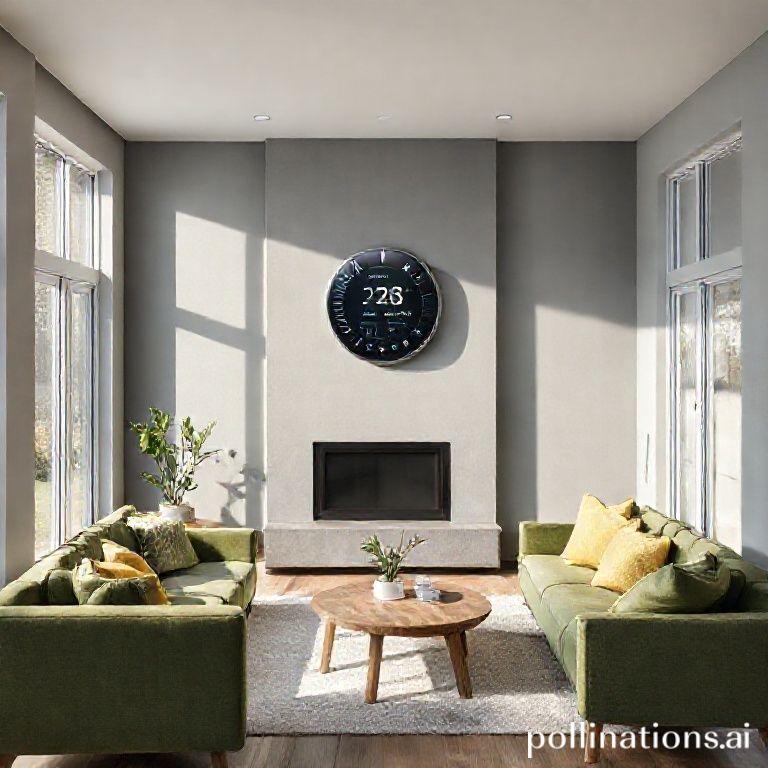
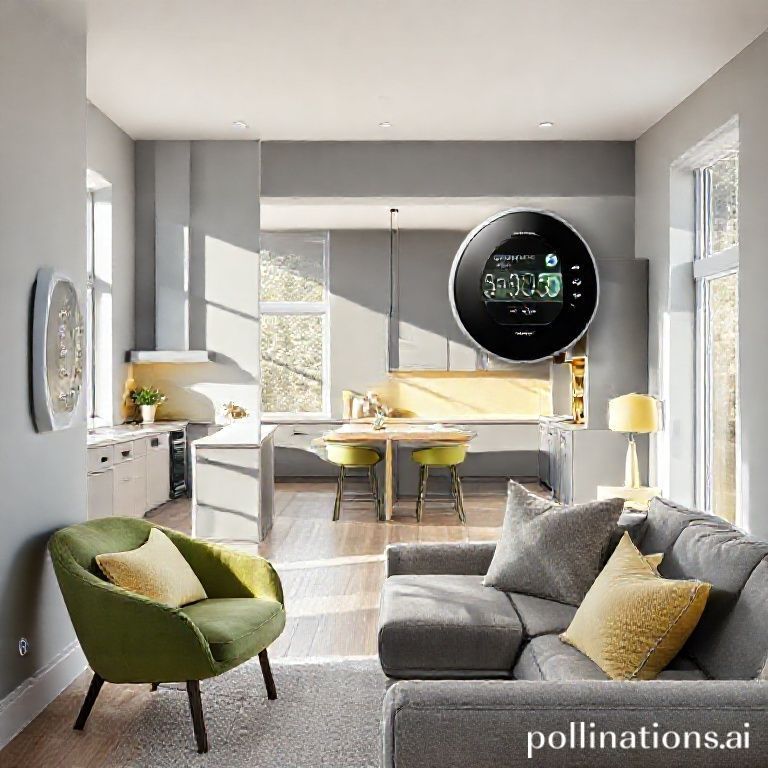
In an age marked by a growing emphasis on energy conservation and sustainability, smart thermostats have emerged as pivotal devices for optimizing energy use in small homes. These innovative systems not only enhance home comfort but also minimize utility costs while reducing environmental impact. By understanding how smart thermostats operate and their unique benefits, homeowners can make informed decisions about their energy management.
The Rise of Smart Thermostats
Smart thermostats are a category of Wi-Fi-enabled technology that revolutionizes the way we control heating, ventilation, and air conditioning (HVAC) systems. Unlike traditional heating controls, these devices harness advanced algorithms and learning capabilities, allowing them to adapt to user habits and preferences. Home automation integration further enhances their functionality, creating a seamless experience for users. With devices such as the Nest and Ecobee gaining popularity, it’s essential to explore how these innovations contribute to energy efficiency, especially in small residential spaces.
Understanding Energy Efficiency in Small Homes
Small homes naturally consume less energy than larger residences due to their reduced square footage. However, energy efficiency can still be optimized within these spaces. Smart thermostats are instrumental in achieving higher energy savings by precisely managing indoor climates. According to energy experts, employing a smart thermostat can lead to up to a 23% reduction in heating and cooling expenses annually. This level of efficiency demonstrates why homeowners should consider these technologies as part of their sustainable home initiatives.
How Smart Thermostats Work
At their core, smart thermostats automate temperature control through connectivity and learning capabilities. These devices connect to home Wi-Fi networks, allowing users to access and control them remotely via smartphones, tablets, or computers—eliminating the need for manual adjustments. Beyond remote control, smart thermostats utilize sensor technology and machine learning to acquire data on user behavior, adjusting settings to enhance both comfort and efficiency.
- User Habit Learning: Smart thermostats learn when homeowners typically home and adjust temperatures accordingly. This predictive capability enables these systems to optimize energy use without compromising occupant comfort.
- Temperature Sensors: By incorporating multiple temperature sensors throughout the home, smart thermostats can achieve significant energy savings. They can determine the best temperature for different rooms, thereby preventing heating or cooling of unoccupied spaces.
- Energy Monitoring: Many smart thermostats provide real-time feedback on energy consumption, historical data trends, and potential savings. This transparency allows homeowners to adjust their habits and make more informed decisions regarding energy use.
Pro Tip: Take Advantage of Adaptive Features
Most smart thermostats come equipped with adaptive features such as geofencing, which detects when homeowners are approaching or leaving their homes. By implementing this technology, these devices can optimize their energy usage in real-time, reducing or increasing heating and cooling automatically based on occupancy.
Benefits of Smart Thermostats in Small Residences
For families and singles inhabiting small homes, smart thermostats offer numerous advantages that extend beyond mere comfort. The integration of these devices offers various benefits that promote energy savings and sustainability.
1. Cost Savings on Utility Bills
The most immediate advantage that homeowners experience after installing a smart thermostat is a reduction in monthly utility bills. By utilizing algorithms that optimize energy consumption according to user patterns, these devices have the potential to lead to lower operating costs and significant savings over time. According to a study conducted by the Environmental Protection Agency, homes equipped with smart thermostats reported reductions of up to 30% in energy use.
2. Environmental Impact
Beyond financial savings, adopting smart thermostats contributes to a more sustainable future. With energy demand continually rising, reducing emissions becomes critical. Smart thermostats lower the carbon footprint associated with energy consumption by strategically managing energy use during peak hours and shifting usage to times of lower demand. Homeowners not only save money but help create a healthier planet.
3. Enhanced Home Comfort
Customizable settings ensure that indoor climates remain comfortable throughout the day. Many smart thermostats allow for targeted climate control based on individual preferences, culminating in comfortable living conditions regardless of the external climate. This level of personalization creates an ideal home environment that truly enhances the quality of life.
Common Mistake to Avoid
A significant error homeowners make is neglecting to adjust the thermostat according to seasonal changes or occupancy patterns. While smart thermostats are designed for convenience, it is crucial to regularly review settings and alter them as necessary to maximize energy savings fully. Developers suggest setting the thermostat to a higher temperature in summer and a lower one in winter for additional savings.
Integrating Smart Thermostats with Home Automation
Integrating smart thermostats into an existing home automation setup can further amplify energy savings. By connecting these devices to smart home ecosystems, such as those managed by Amazon Alexa or Google Assistant, users can optimize energy management beyond just temperature control. Here’s how smart thermostats can work in harmony with other home automation features:
- Automated Lighting Control: When occupants leave the house, smart thermostats can communicate with smart lighting systems to turn off lights and save energy, preventing unnecessary energy expenditure.
- Smart Appliances: Coordinating energy usage with smart appliances can enable homeowners to run energy-intensive devices during off-peak hours, reducing costs and enhancing overall energy efficiency.
- Integrated Security Systems: Home security systems can interact with smart thermostats—ensuring optimal temperatures when homes are unoccupied and subsequently adjusting them upon return for comfort.
Future of Smart Thermostats
Looking ahead, advancements in smart thermostat technology will only continue to grow. Increased integration with artificial intelligence, better sensor technology, and additional compatibility with renewable energy sources will enhance their capabilities. Moreover, as smart home technology continues to evolve, homeowners will have access to even more efficient systems designed to achieve energy savings while ensuring a comfortable living environment.
Conclusion
Smart thermostats are not just a passing trend; they symbolize a significant shift in how households manage energy consumption, especially within the context of small homes. By leveraging their adaptive capabilities, homeowners can achieve remarkable energy efficiency while enjoying cost savings, enhanced comfort, and a positive environmental impact. Families and singles alike can incorporate this technology into their daily lives, making energy efficiency an effortless part of their routines.
For those looking to explore additional energy-efficient home improvements, consider diving into sustainable materials or investigating eco-friendly appliances that complement your smart thermostat. The transition to a smarter, more sustainable home is just beginning.