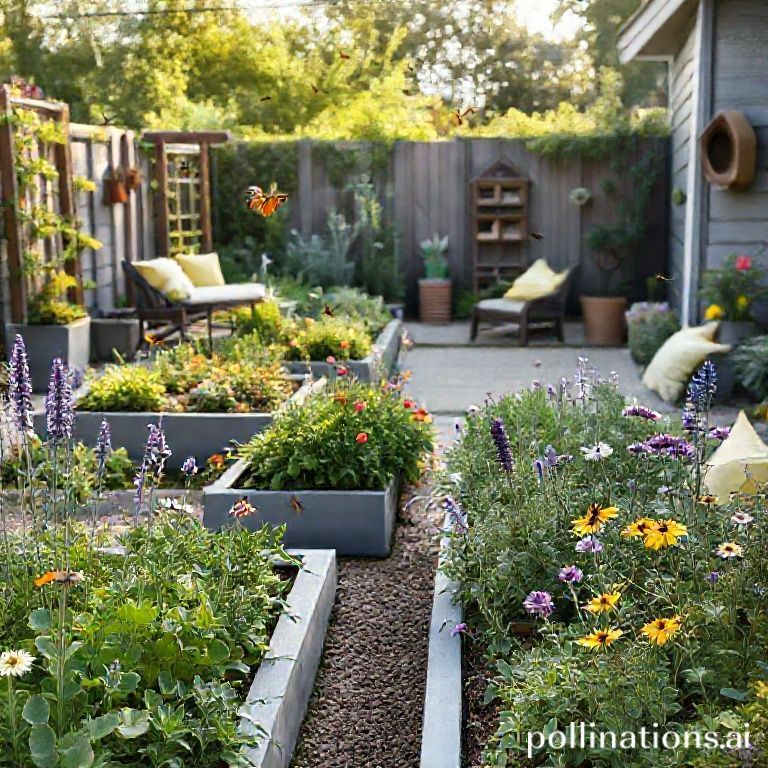
Creating a butterfly-friendly garden is not only a delightful pursuit for nature lovers but also an essential contribution to the environment. With butterflies being crucial pollinators, attracting them to your backyard can enhance biodiversity and support ecosystem health. In this guide, we will discuss practical tips for designing and planting your butterfly garden, with an emphasis on selecting the right flowers, providing proper habitats, and maintaining eco-friendly practices throughout the process.
The Importance of Butterfly Gardens
Butterfly gardening plays a pivotal role in supporting lepidopteran populations, which include butterflies and moths. These beautiful insects undergo four distinct life stages: egg, larva (caterpillar), chrysalis, and adult. To cultivate a successful butterfly habitat, you must consider the needs of butterflies throughout each of these stages. By providing an environment rich with diverse flora and suitable structures, you can create a haven that attracts both adult butterflies seeking nectar and caterpillars searching for host plants.
Benefits of Attracting Butterflies to Your Garden
- Pollination: Butterflies contribute to the pollination of approximately 90% of flowering plants, which is vital for sustaining plant diversity and productivity.
- Ecosystem Health: By attracting butterflies, you also create an environment conducive to other pollinators like bees and beetles, promoting overall ecosystem health.
- Education: Butterfly gardens provide an excellent opportunity for families and children to learn about nature and the critical role of pollinators.
- Aesthetic Appeal: Vibrant butterflies enhance the beauty of your garden, adding movement and life to your outdoor space.
Choosing the Right Plants
The foundation of any butterfly garden lies in the selection of appropriate plants. Both nectar plants for adult butterflies and larval host plants for caterpillars should be included in your design. Here are some essential tips for plant selection:
Nectar Plants
Adult butterflies primarily feed on nectar, so it is vital to choose a range of nectar-producing flowers. Consider mixing annuals and perennials that bloom at different times throughout the spring and summer to provide a continuous food source. Here are some butterfly-attracting plants to consider:
- Milkweed (Asclepias spp.): Essential for Monarch caterpillars, milkweed is a must-have in any butterfly garden.
- Asters: These late-blooming flowers are a favorite for a variety of butterfly species.
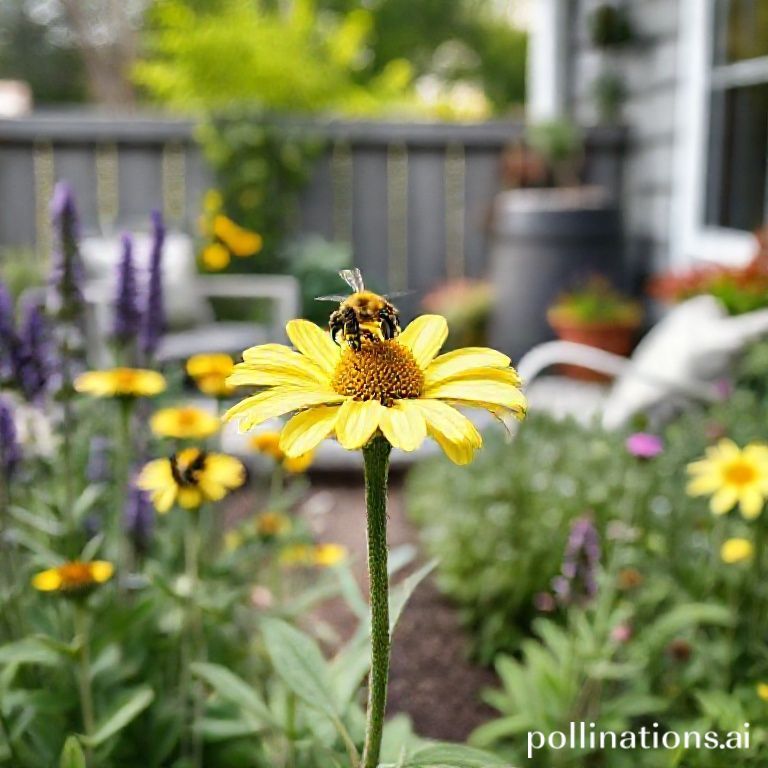
- Black-eyed Susan (Rudbeckia hirta): Known for their vibrant yellow petals, these flowers attract many butterflies.
- Lantana: With its clusters of colorful flowers, lantana is a magnet for butterflies, especially in warmer climates.
Host Plants
While nectar plants are essential, don’t forget about host plants that caterpillars depend on for nourishment. Different butterfly species have specific preferences; hence it is vital to research which butterflies are common in your region. Consider planting:
- Violets (Viola spp.): Host plants for the Eastern Tiger Swallowtail butterfly.
- Fennel and Dill: Attract Black Swallowtail caterpillars.
- Parsley: Another host for the Black Swallowtail, which adds both flavor and utility.
Designing Your Butterfly Garden
Designing a butterfly-friendly garden requires creating a layout that maximizes sun exposure while providing shelter from wind and predators. Here are some effective strategies to consider:
Sunshine and Shelter
Butterflies are ectothermic creatures, relying on sunlight to regulate their body temperature. Therefore, consider placing your garden in a sunny location, preferably with south-facing slopes that receive warm sunlight throughout the day. Additionally, include windbreaks like shrubs or trees to provide refuge and protection from harsh weather conditions.
- Consider planting tall perennials or shrubs along the border of your garden for a natural windbreak.
- A small water feature or puddling area can also attract butterflies seeking moisture and nutrients.
Layering and Color Variety
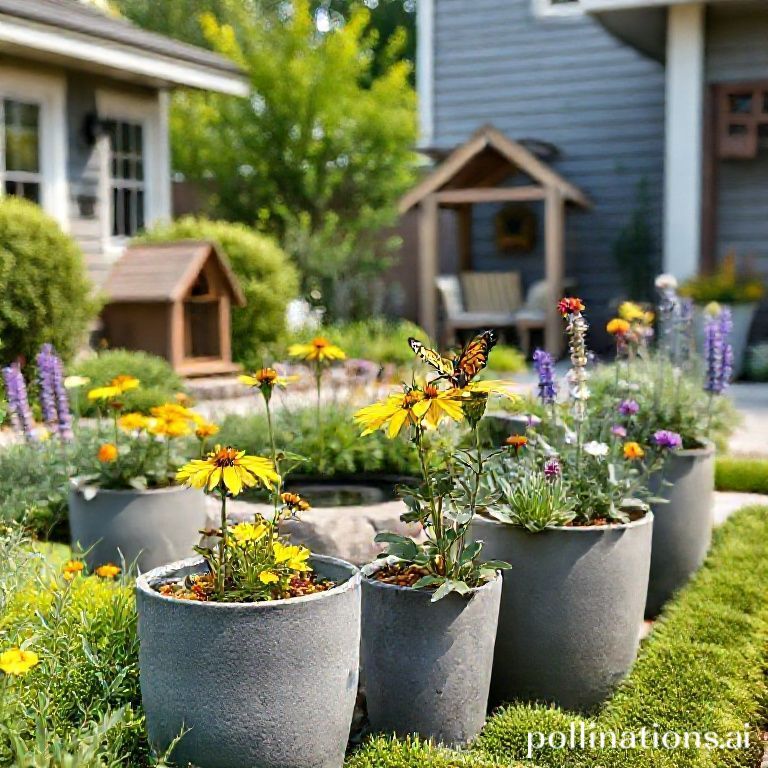
Incorporate plants of varying heights, colors, and textures to create visual interest and attractive habitats. Layer your garden by placing taller plants at the back and shorter ones at the front. Mixing vibrant hues will not only catch the eye of passing butterflies but also make your garden a beautiful outdoor retreat. Here are some design elements to keep in mind:
- Choose colors that attract butterflies: bright colors like red, orange, yellow, and purple are especially appealing.
- Consider diversity: a variety of shapes and sizes can also accommodate a more extensive range of butterfly species.
Creating a Puddling Station
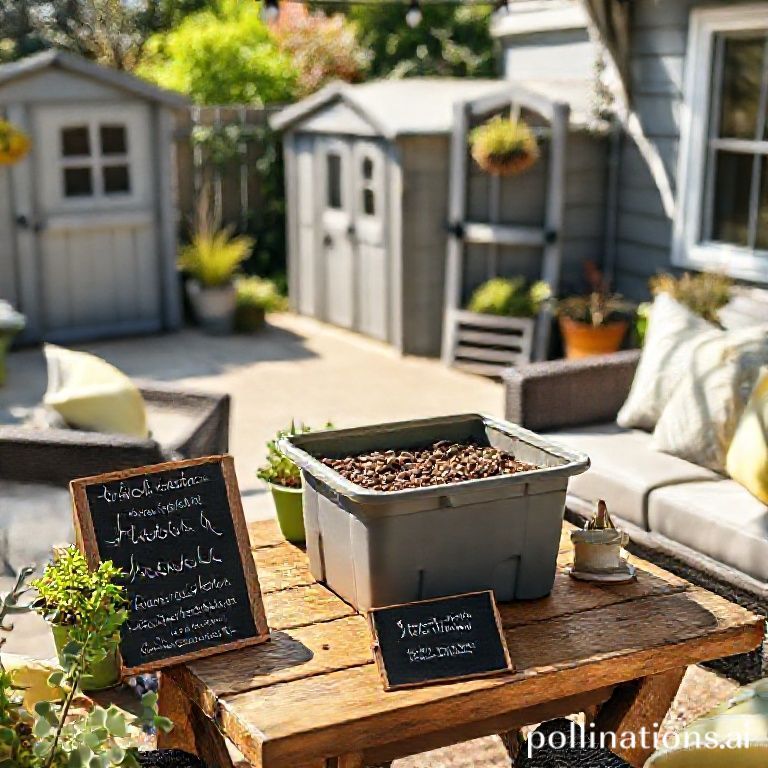
A puddling station is a charming and functional addition to your butterfly garden. Male butterflies often engage in a behavior known as “puddling,” where they gather to drink nutrients and moisture from the ground. To create a puddling station, follow these easy steps:
- Choose a shallow dish or container and fill it with sand or soil.
- Add water to keep the substrate moist, but not submerged.
- Optional: Mix in some overripe fruit or salt to attract butterflies looking for specific nutrients.
Common Mistakes to Avoid
When setting up your butterfly garden, being aware of common pitfalls can save you time and resources. Here are some mistakes to watch out for:
- Overusing Pesticides: Many pesticides harm not only pests but beneficial insects like butterflies. Opt for organic gardening practices to promote a healthy garden ecosystem.
- Selecting Non-Native Plants: Native plants are specifically adapted to local climates and attract native butterflies. Avoid non-natives that may not provide suitable habitat.
- Lack of Variety: Monoculture gardens fail to attract a diverse butterfly population. Aim for a wide array of plants to support different butterfly species.
Maintaining Your Butterfly Garden
Creating a butterfly-friendly garden is just the beginning; ongoing maintenance is essential for long-term success. Here are some pro tips for keeping your garden thriving:
Sustainable Practices
Implementing eco-friendly practices not only supports butterfly habitats but also enhances the overall health of your garden. Here are some sustainable gardening tips:
- Use compost to enrich soil health naturally.
- Employ companion planting to reduce pest incidence organically.
- Practice crop rotation to prevent soil depletion and increase biodiversity.
Observation and Adoption
As your garden grows, take the time to observe which butterfly species visit regularly. This insight can help you refine your plant selection and garden layout. Additionally, consider joining local gardening groups or networks focused on pollinator-friendly practices to exchange knowledge and ideas.
Internal Call to Action
Incorporating a butterfly garden in your backyard is a majestic way to contribute to the environment while creating a stunning oasis of color and serenity. As a family-friendly activity, it can spark curiosity and foster a deeper appreciation for nature among children. Want more ideas on transforming your garden into a tranquil haven? Explore our other articles on eco-friendly gardening practices and styling your garden space for year-round enjoyment.