Creating a vibrant vegetable garden that thrives not just in its yield but also in its ecological diversity is a goal that every avid gardener aspires to achieve. One of the most impactful ways to do this is by attracting beneficial pollinators—bees, butterflies, birds, and other wildlife—to your garden. This post delves into effective strategies to enhance your vegetable garden specifically by enticing these essential creatures, ultimately boosting the productivity and harmony of your growing space.
The Importance of Pollinators in Your Vegetable Garden
Pollinators play a vital role in the ecosystem, particularly in our gardens where they contribute significantly to the pollination of flowering plants. Studies show that nearly 75% of the world’s flowering plants, including a multitude of vegetable crops, depend on animal pollination. Without pollinators, those plants would struggle to reproduce, leading to diminished yields and a less productive garden. This is particularly critical for families aiming to grow their own food sustainably, as many crops such as tomatoes, cucumbers, and squash rely heavily on these creatures for successful fruit development.
Furthermore, pollinators contribute to biodiversity, aiding in the formation and maintenance of plant genetic diversity. A diverse garden ecosystem is more resilient and capable of withstanding pests, diseases, and the effects of climate change.
Choosing the Right Plants to Attract Pollinators
When planning your vegetable garden, it is essential to incorporate a range of plants that can attract various pollinators. Different species are drawn to specific types of flowers, colors, and shapes. The following list showcases some of the best options:
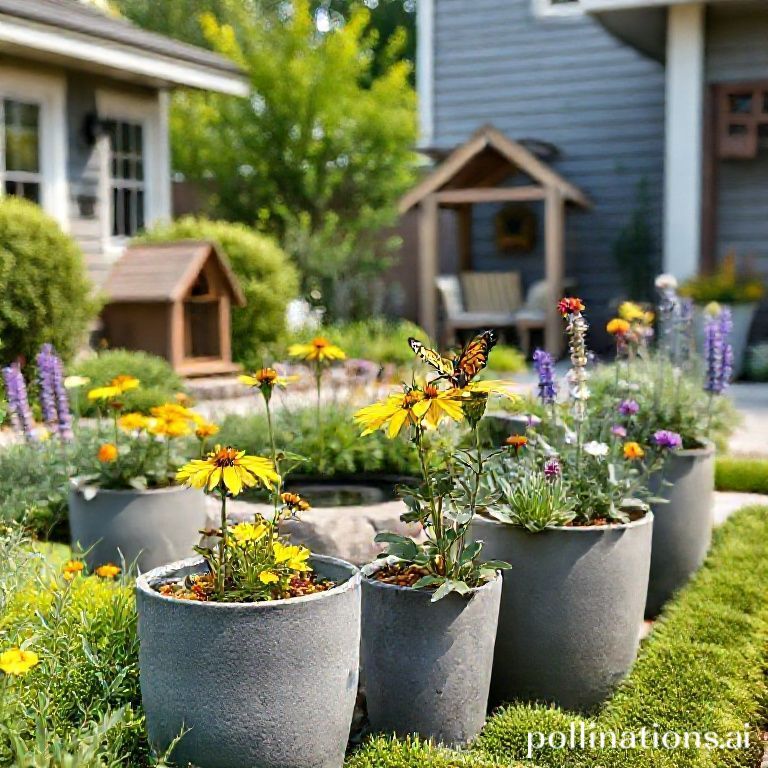
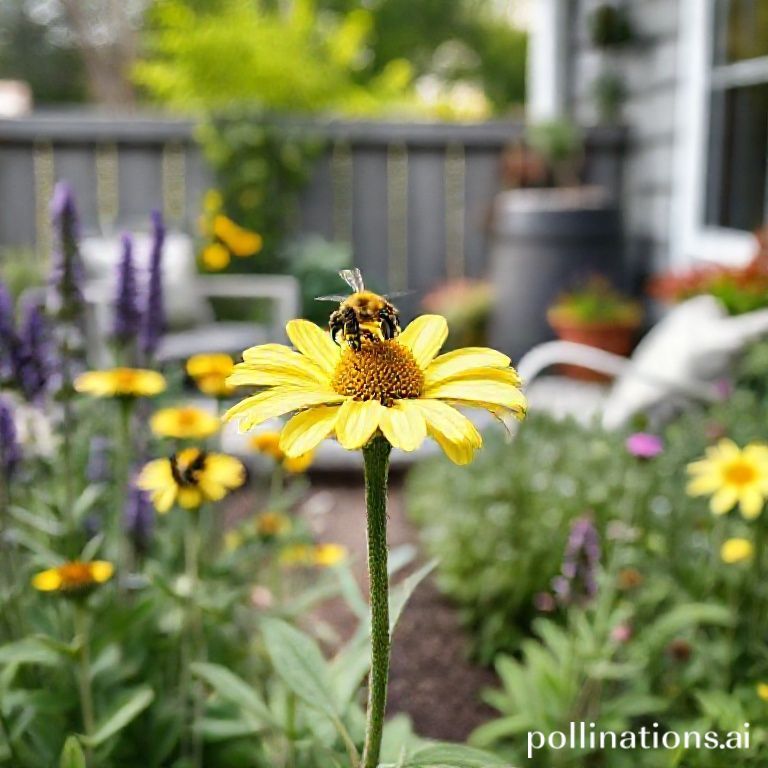
- Native Wildflowers: Incorporate local flora such as coneflowers (Echinacea), black-eyed Susans (Rudbeckia), and asters. These plants are particularly appealing to native bees and butterflies.
- Herbs: Aromatic herbs like basil, oregano, and thyme not only enhance your culinary experience but also attract bees when they bloom.
- Colorful Annuals: Flowers such as zinnias, marigolds, and sunflowers brighten your garden and serve as magnets for pollinators, especially butterflies.
- Perennial Flowers: Start planting perennials like bee balm (Monarda), lavender, and salvia, which bloom year after year, providing a consistent food source for pollinators.
Layering Your Garden
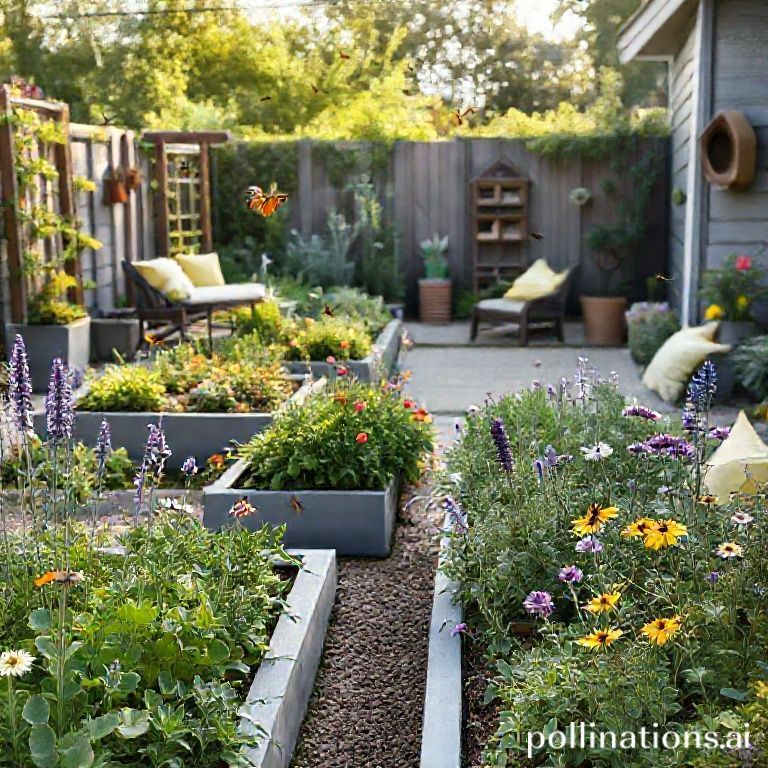
Designing your vegetable garden with layers ensures that you can cater to different pollination needs. Incorporate shorter flowers in the front and taller varieties in the back to create a visually appealing and functional arrangement. This layered approach not only attracts a variety of pollinators but also enhances the aesthetic quality of your garden, which is a signature of rustic, eco-friendly design that emphasizes harmony with nature.
Creating a Pollinator-Friendly Environment
Design experts suggest that creating a pollinator-friendly environment goes beyond just planting the right flowers. It involves creating an ecosystem that accommodates their needs and offers them safe habitats. Here are some important strategies to consider:
- Avoid Chemical Pesticides: Opt for organic gardening methods. Chemical pesticides can be harmful to pollinators. Instead, use natural pest control techniques, such as introducing beneficial insects like ladybugs or using insecticidal soap that’s safe for bees.
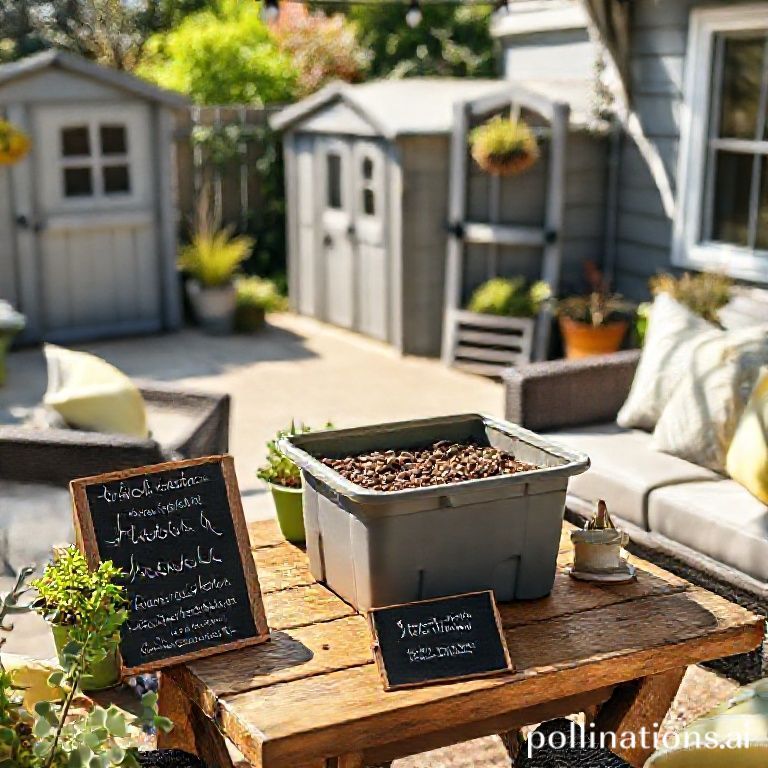
- Provide Water Sources: Ensure that your garden includes shallow water sources where pollinators can drink. Simple dishes filled with water and adorned with pebbles can serve as excellent drinking spots.
- Create Shelter: Pollinators need places to rest and breed. Consider adding bee hotels or leaving small patches of bare ground for solitary bees. Overgrown areas of your garden can serve as natural habitats for butterflies and other insects.
- Plant in Clusters: Grouping flowers into clusters enhances their visibility and makes it easier for pollinators to find food. This prevents them from expending too much energy in foraging.
Pro Tips for Maintaining a Pollinator-Friendly Garden
As you embark on your gardening journey, here are some expert insights to keep in mind:
- Seasonal Planning: Plant flowers with staggered bloom times to ensure a continuous food source for pollinators throughout the spring and summer. This means starting with early bloomers and incorporating late-season offerings.
- Incorporate Companion Planting: Utilize companion planting techniques where compatible species can coexist, thus enhancing growth and deterring pests naturally. For example, planting marigolds alongside tomatoes can repel harmful nematodes.
- Use Eco-Friendly Materials: Consider using natural materials like untreated wood for garden structures and pathways, which align with sustainable practices and attract species that prefer natural dens.
Common Mistakes to Avoid When Attracting Pollinators
Even seasoned gardeners can find themselves making mistakes when trying to cultivate a pollinator-friendly environment. Here are common pitfalls to avoid:
- Neglecting Diversity: Relying solely on a few flower types can limit the range of pollinators attracted to your garden. A varied garden promotes a diverse ecosystem.
- Planting Non-Native Species: While beautiful, non-native plants can sometimes disrupt local ecosystems and attract fewer native pollinators.
- Forgetting About Maintenance: A thriving garden requires routine maintenance. Weeds can choke out the plants that attract pollinators, so regular gardening tasks are essential.
Enhancing Family Engagement through Eco-Friendly Gardening
Gardening can be a wonderful family activity, providing learning opportunities and quality time together. By involving children and seniors in the gardening process, you instill a love for nature and healthy eating. Design your vegetable garden with areas accessible to all, ensuring everyone can participate in planting, watering, and harvesting. Encourage children to observe the different pollinators visiting your garden; watching bees, butterflies, and birds can become an educational journey about ecology and sustainability…
For families, creating memories while fostering a love for the environment is invaluable. Take the time to explore your vegetable garden, celebrate its growth, and indulge in the fruits of your labor!
Conclusion
Ultimately, successfully attracting pollinators to your vegetable garden is about creating a welcoming habitat that mirrors the richness of nature. Implementing diverse plantings, employing eco-friendly practices, and designing with purpose will not only enhance your garden’s productivity but also contribute positively to the environment. As you nurture this balance and beauty, consider expanding your efforts to other areas of your backyard, promoting sustainability in every corner of your home. Explore more tips on eco-friendly gardening strategies here on our blog, and let us guide you through creating your ideal garden sanctuary.