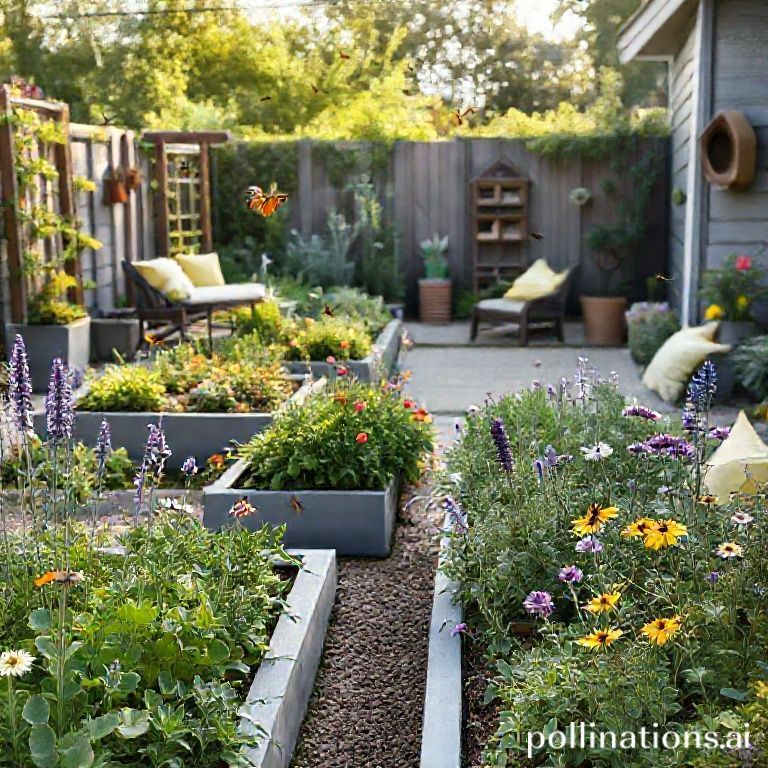
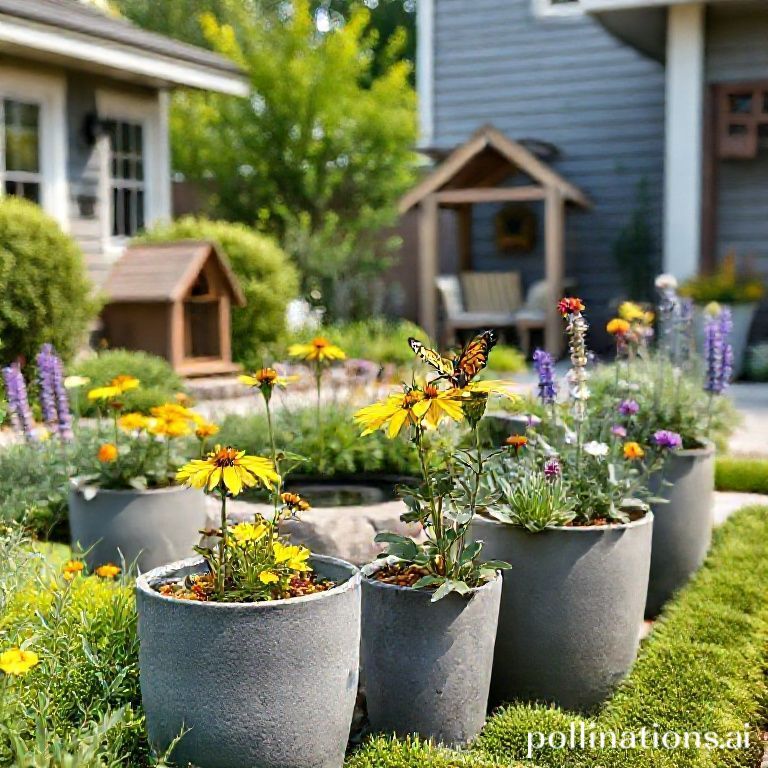
Creating a pollinator-friendly garden is not only an aesthetically pleasing endeavor but also a crucial step in supporting local ecosystems. With the alarming decline of many pollinator species, including bees and butterflies, it is vital for gardeners to implement strategies that foster these essential creatures. In this guide, we will explore the best plants, practices, and techniques to attract and sustain pollinators in your backyard, ensuring a thriving environment filled with life and color.
Why a Pollinator-Friendly Garden Matters
Pollinators play a pivotal role in our ecosystem, facilitating the reproduction of flowering plants by transferring pollen from one blossom to another. According to research, this process is responsible for one out of every three bites of food consumed by humans, underscoring their importance in our diets and agricultural practice. By cultivating a pollinator-friendly garden, you provide essential resources such as nectar and pollen, which in turn support these insects and contribute to biodiversity.
Essential Plants for Attracting Pollinators
Choosing the right plants is fundamental in creating a space that attracts and nourishes pollinators. When selecting flora, aim for a diverse palette of native plants that bloom at different times throughout the spring and summer. This succession of blooms ensures a consistent food source for pollinators as they emerge and become active during warmer months.
Native Wildflowers
- Echinacea (Coneflower): This hardy plant is not only beautiful with its vibrant purple petals but also adapts well to varying conditions. Echinacea attracts bees, butterflies, and other beneficial insects.
- Liatris (Blazing Star): Known for its striking spikes of purple flowers, Liatris blooms from the top down, offering a prolonged source of nectar.
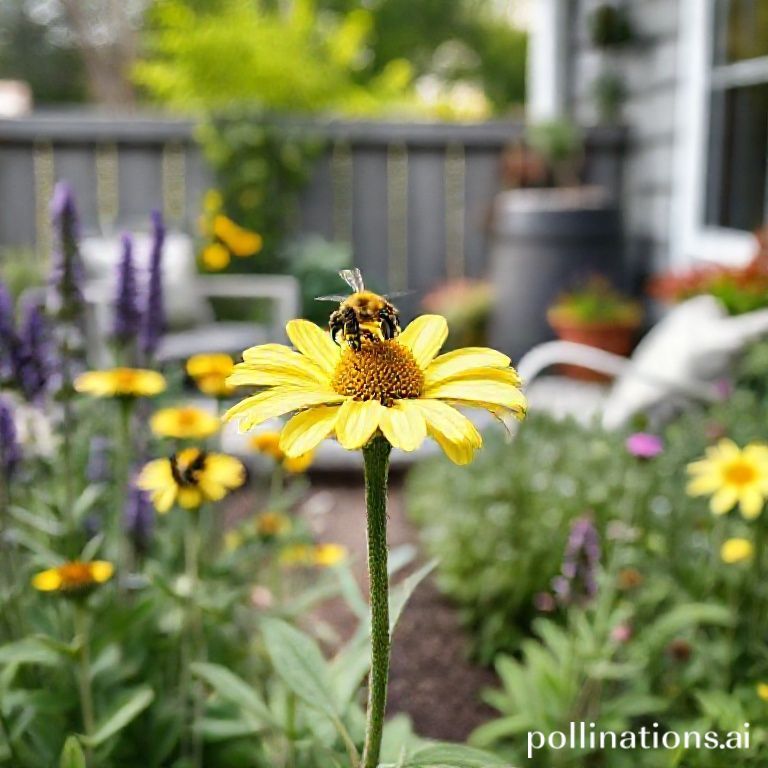
- Rudbeckia (Black-eyed Susan): This cheerful flower provides forage for a variety of visiting pollinators and thrives in poor soil conditions.
Herbs That Attract Pollinators
In addition to wildflowers, incorporating herbs into your garden is an excellent strategy, as many herbs are highly attractive to bees and butterflies. Not only do they serve as a food source, but they can also be utilized in your kitchen.
- Basil: This aromatic herb produces tiny white flowers that are a magnet for bees when left to flower.
- Mint: The flowers of mint are particularly attractive to a range of pollinators, making it a great addition to any pollinator garden.
- Thyme: When allowed to bloom, thyme provides a source of nectar that is especially loved by honey bees.
Design Techniques for a Pollinator-Friendly Garden
Beyond plant selection, the layout and design of your garden can influence its attractiveness to pollinators. Here are some expert tips to make your garden inviting and beneficial for these essential creatures.
Create Diverse Habitats
Design experts suggest that incorporating a variety of habitats into your garden can enhance its ecological value. Consider adding features such as:
- Water Sources: Providing a shallow water dish or a small fountain can attract not only pollinators but also other wildlife.
- Nesting Areas: Leave an undisturbed patch of soil for ground-nesting bees and consider installing bee hotels for solitary bee species.
- Windbreaks: Planting a mix of low and tall vegetation can help break up strong winds, creating a sheltered environment ideal for pollinators.
Utilize Companion Planting
Companion planting can not only enhance the health of your plants but can also attract beneficial insects. For instance, planting marigolds alongside vegetable crops can deter harmful pests while attracting pollinators. Additionally, pairing flowering plants with certain vegetables can improve pollination rates, resulting in better yields.
Pro Tips for Sustainable Gardening Practices
Embracing sustainable gardening practices will not only support pollinators but will also create a healthy garden ecosystem. Here are some practical tips:
- Limit Pesticide Use: Reducing or eliminating the use of pesticides is critical, as many chemicals can harm pollinators. Opt for organic pest control methods when necessary.
- Choose Eco-Friendly Materials: When building structures or garden beds, consider using sustainable materials such as reclaimed wood, stone, or recycled plastic.
- Implement Rainwater Harvesting: Collecting rainwater can provide a natural water source while preserving resources and reducing your environmental footprint.
Common Mistakes to Avoid
While creating a pollinator-friendly garden, it’s essential to be aware of common pitfalls that can hinder your efforts:
- Overly Pristine Gardens: A well-manicured yard may look appealing but can be detrimental to pollinator populations. Allowing natural plant growth and maintaining a less-formal garden aesthetic can provide critical habitat and food sources.
- Single-Plant Variety: Avoid the temptation of planting just one type of flower in bulk. A diverse planting increases the likelihood of attracting different types of pollinators.
- Neglecting Seasonal Blooms: Ensure that your garden features plants that flower at varying times, providing a continuous food supply throughout the active seasons.
Conclusion: Cultivating a Haven for Pollinators
Establishing a pollinator-friendly garden is a rewarding endeavor that enhances biodiversity, contributes to the health of our environment, and even supports local agriculture. By implementing the techniques and practices outlined in this guide, you can create a vibrant and sustainable habitat that attracts bees, butterflies, and other vital pollinators. Start by choosing diverse native plants, utilizing sustainable gardening methods, and avoiding common mistakes. Every garden, no matter how small, can make a significant impact if we all contribute to the well-being of our pollinator populations.
For additional ideas on rustic and bohemian garden styles or eco-friendly materials for your space, explore our other posts. Your sustainable home is just a garden away!