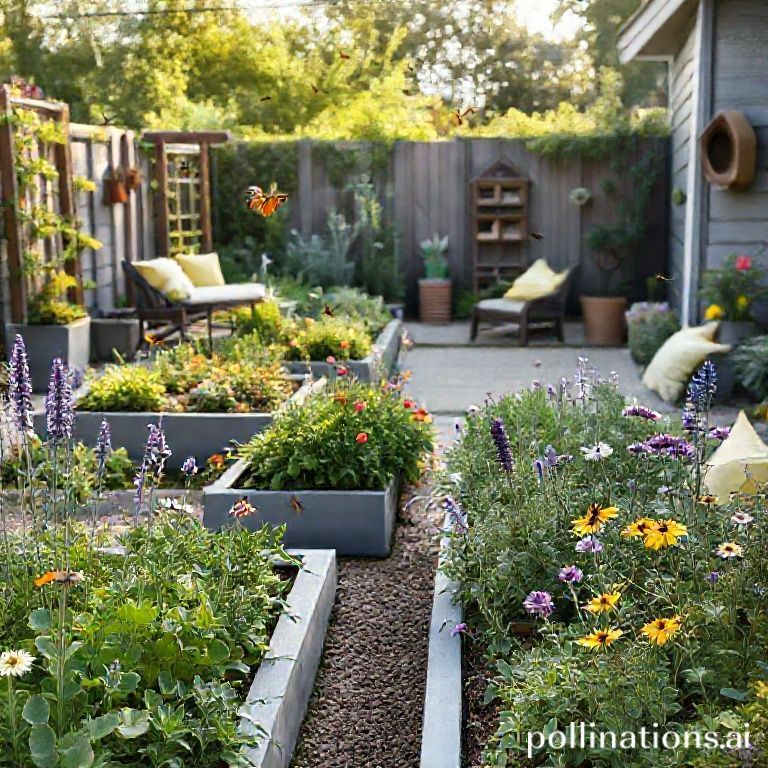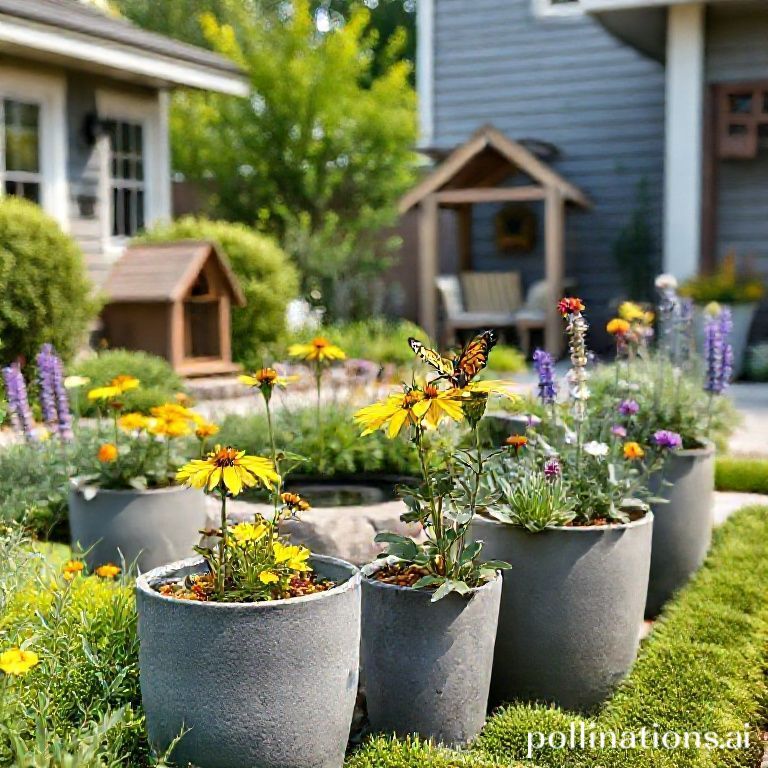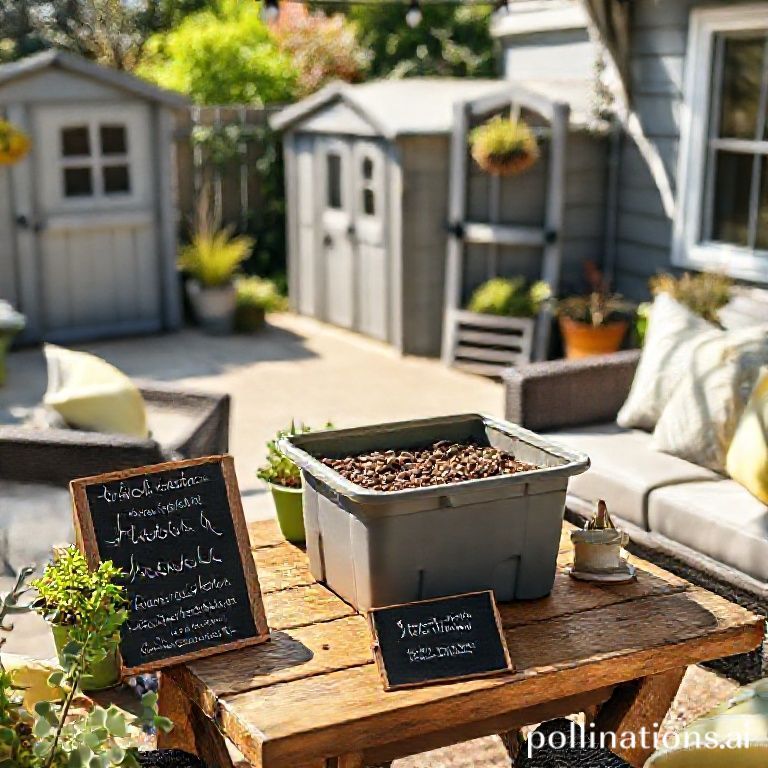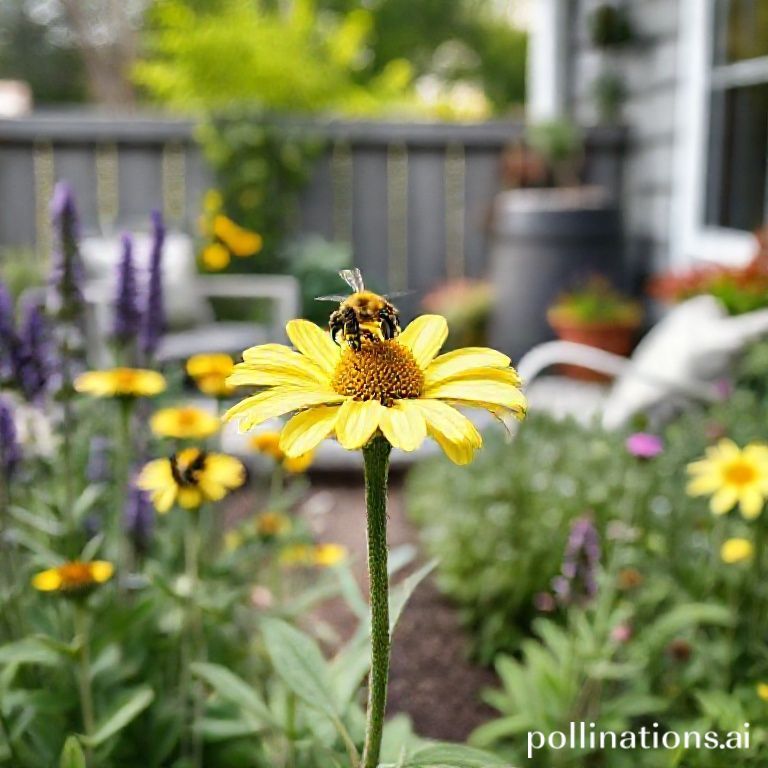
Creating a pollinator-friendly garden is an increasingly essential endeavor for anyone interested in enhancing biodiversity and supporting the delicate ecosystems that sustain plant life. Pollinators, including bees, butterflies, and other insects, play a pivotal role in the food production chain, making the establishment of pollinator gardens a priority not only for gardeners but also for the broader environment. This guide aims to offer cost-effective strategies for developing a budget-friendly pollinator garden while emphasizing eco-friendly gardening practices.
Why Create a Pollinator Garden?
The importance of pollinators in human food production cannot be overstated. According to recent studies, over one-third of the food consumed globally relies on animal pollinators. Many homeowners are choosing to create dedicated spaces to attract these essential creatures, thereby enhancing the variety and productivity of their gardens. Pollinator gardens not only contribute to personal food supplies but also play a vital role in maintaining ecological balance by fostering diverse habitats. As noted by design experts, the collaborative effort of planting native flowers supports local wildlife, offers essential habitats for pollinators, and can potentially increase the yield of fruit and vegetable crops.
Basic Principles of Pollinator Garden Design
Designing an effective pollinator garden involves understanding specific requirements for the plants and the insects that will inhabit them. Here are a few fundamental principles to consider:
Choose Native Plants
- Adaptation: Native plants have adapted to local climates and soil types, making them hardier choices for your garden. They provide the nectar and pollen that local species of pollinators rely on.
- Balance: Introducing non-native species can sometimes upset the local ecosystem, leading to competition with native plants and confusion among pollinators.
Diversity is Key
A diverse garden encourages a variety of pollinators. Incorporating plants that flower at different times of the season ensures that nectar sources are available from early spring to late fall, making your garden a reliable food source throughout the year.
Budget-Friendly Gardening Tips
Creating a vibrant, pollinator-friendly garden doesn’t have to break the bank. Here are some cost-effective strategies:
- Start Small: Focus on a small area of your yard and gradually expand it as you learn what works best in your local ecosystem.
- Seed Swaps: Participate in community seed swaps or local gardening groups to procure native seeds without the expense.
- Propagate Your Own Plants: If you have friends or neighbors with established native flowers, ask to take cuttings or divisions to propagate your own plants.
Essential Pollinator Plants
Understanding which plants attract specific types of pollinators is key to successful garden design. Here are several must-have plants categorized by the types of pollinators they attract:
Flowers for Bees
- Bee Balm (Monarda spp.): This striking flower is especially attractive to bees. It thrives in partial shade and is drought-resistant once established.
- Lavender (Lavandula spp.): Not only does lavender offer fragrant blooms, but its long flowering season makes it a favorite for various bee species.
Plants for Butterflies
- Milkweed (Asclepias spp.): Essential for monarch butterflies, milkweed provides both habitat and food. Ensure to plant various species that flower at different times.
- Coneflower (Echinacea spp.): Known for its resilience and vibrant appearances, coneflowers attract a diverse array of butterflies and other pollinators.
Attracting Other Pollinators
- Hummingbird Mint (Agastache spp.): This tall perennial attracts not only bees but also hummingbirds, contributing to your garden’s vibrant ecosystem.
- Black-eyed Susan (Rudbeckia hirta): These robust flowers draw in pollinators while providing bright visuals to your garden.
Creating a Welcoming Environment
It’s not just about planting the right flowers; a welcoming environment is crucial to attracting and sustaining pollinators. Here are some essential ideas:
Provide Shelter
Pollinators need places to nest and find refuge from predators and harsh weather. Consider incorporating features like:
- Bee Hotels: These structures offer nesting sites for solitary bees. You can create your own using untreated wood and hollow reeds or purchase pre-made versions.
- Brush Piles: Leaving areas of your garden undisturbed, with natural debris such as leaves and twigs, can provide habitat for many beneficial insects.
Minimize Pesticide Use
While it may be tempting to protect your plants with pesticides, many of these chemicals can harm beneficial insects. Instead, focus on eco-friendly pest control methods that promote a balanced ecosystem. Use:
- Neem Oil: Derived from the seeds of the neem tree, this natural insecticide is less harmful to pollinators.
- Beneficial Insects: Introduce ladybugs and lacewings to control pest populations naturally.
Common Mistakes to Avoid
As you embark on your journey to create a pollinator-friendly garden, be mindful of the following common pitfalls:
- Inadequate Variety: Failing to provide a diverse range of plants can lead to reduced pollinator visitation. Aim for a mix of flowers that bloom at different times.
- Ignoring Local Conditions: Not considering your local soil and climate can lead to many plants failing to thrive. Do some research into your area’s growing conditions.
Designer Insight
Landscaping experts often emphasize the importance of creating layered gardens. This technique not only enhances visual appeal but also provides different microhabitats to accommodate various types of pollinators. Consider utilizing vertical space by incorporating climbing plants on trellises or fences to create a more inviting environment.
Pro Tips for Success
- Monitor Plant Health: Regularly check your plants for pests, diseases, and environmental stresses. Healthy plants will attract more pollinators.
- Engage with Your Community: Connect with local gardening clubs or online groups. They can provide valuable insights, sharing best practices and experiences.
Conclusion
Creating a pollinator-friendly garden on a budget is a fulfilling project that enriches both your living space and the local ecosystem. By strategically selecting native plants, providing essential habitats, and minimizing harmful chemicals, you can cultivate a sustainable and inviting garden that attracts various pollinators. As we continue to recognize the vital role these creatures play, it becomes imperative that we take steps to support them in our own backyards. Consider exploring other gardening styles, such as organic gardening or vertical gardens, to further enhance your gardening journey and support biodiversity.