Worm composting, also known as vermicomposting, has gained immense popularity as a sustainable and effective method for turning kitchen scraps into nutrient-rich fertilizer, particularly among beginner gardeners looking to enhance their gardens. This comprehensive guide will delve into the dos and don’ts of worm composting, providing invaluable insights for novicesready to embark on this eco-friendly journey. Understanding the fundamental aspects of worm composting, including common mistakes and tips for success, is crucial in ensuring that your composting experience is fruitful and rewarding.
The Science Behind Worm Composting
At its core, worm composting relies on the natural decomposition processes carried out by earthworms and various microorganisms. These tiny helpers break down organic matter—such as vegetable scraps, fruit peels, and paper products—into a dark, nutrient-rich substance known as worm castings. According to composting experts, worm castings are a fantastic organic fertilizer that promotes plant growth and improves soil structure, making them a beloved resource among organic gardeners.
Why Choose Worm Composting?
- Sustainability: By recycling your food waste, you significantly reduce landfill contributions, thus minimizing methane emissions produced by decomposing organic materials.
- Space-Efficient: Worm composting can be done indoors or outdoors, requiring minimal space, making it ideal for urban dwellers and those with smaller gardens.
- Speed: Worms can convert waste into compost twice as fast as traditional composting methods, offering quicker results for eager gardeners.
Essential Tips for Beginner Gardeners
Starting your worm composting adventure doesn’t have to be overwhelming. Here are some essential dos that will guide you through the process.
Do: Choose the Right Worms
The most commonly used worms for composting are red wigglers (Eisenia fetida) and red earthworms (Lumbricus rubellus). These species thrive in composting environments and are known for their voracity in consuming food scraps. Purchase your worms from a reputable supplier to ensure healthy, active stock that will effectively process your waste.
Do: Create a Suitable Environment
Worms require a dark, moist, and well-aerated environment to thrive. A balanced bedding mixture, often made from shredded newspaper, cardboard, and coconut coir, creates an ideal habitat. It’s crucial that the bedding is not too wet; the moisture content should be similar to that of a wrung-out sponge. This ensures the worms are comfortable and fosters a thriving microbial environment.
Do: Feed Them Right
While worms can eat a variety of organic waste, not all food scraps are suitable. Ideal materials include:
- Fruit and vegetable peels
- Coffee grounds and filters
- Eggshells (crushed for easy digestion)
However, avoid meat, dairy, and oily foods as these can attract pests and create unpleasant odors. Start with small quantities of food and gradually increase as the worms acclimate.
Do: Monitor Conditions Regularly
Regularly check your composting bin to assess moisture levels, temperature, and the overall health of your worms. A healthy composting environment should be maintained at temperatures between 55°F and 77°F. If the conditions become too hot or too cold, the worms may become sluggish or die. Adjust the bedding moisture and ventilation as needed to maintain an ideal habitat.
Common Mistakes to Avoid in Worm Composting
As with any gardening endeavor, beginners may encounter common pitfalls in worm composting. Avoiding these mistakes will set you on a path to success.
Don’t: Overfeed Your Worms
One of the most common errors novice worm composters make is overfeeding their worms. This can lead to a soggy environment, potential odors, and may discourage worms from consuming the food. A good rule of thumb is to offer food scraps equal to half the weight of your worms every week. Monitor how quickly they consume the food before increasing amounts.
Don’t: Neglect pH Levels
Earthworms thrive in a neutral pH environment (around 6.5 to 7.0). If the pH drops too low (becoming acidic), it can harm worm health. Avoid citrus fruits and add crushed eggshells to balance acidity if needed. Testing your compost’s pH periodically is a good practice for maintaining optimal conditions.
Don’t: Ignore Pests
Pests such as fruit flies or vine weevils can invade your compost bin if not managed properly. To combat these nuisances, avoid adding food scraps that attract pests, keep the lid on the bin, and maintain adequate moisture levels to deter infestations. If pests do appear, adding a layer of dry bedding on top can help trap them, while also allowing your worms to thrive below.
Designer Insight: Worm Composting Systems
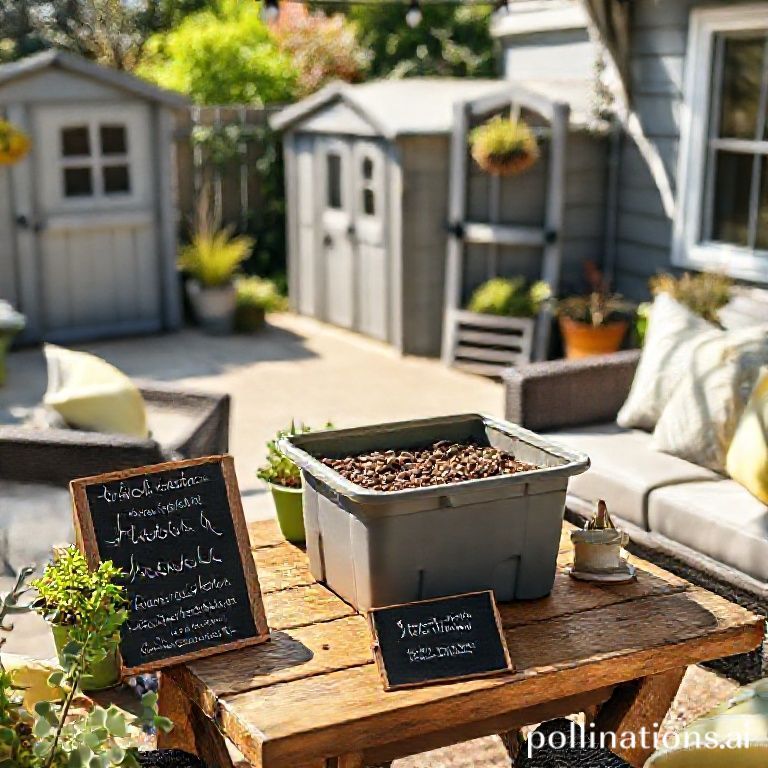
When considering worm composting systems, there are numerous options available, from simple DIY setups to commercial pre-made worm bins. A popular choice among eco-conscious families is the vertical composting system, which allows for efficient use of space while also making it easy to harvest worm castings. These bins typically have separate trays that stack on top of one another, allowing worms to migrate upward as they consume food, simplifying the harvesting process.
Key Takeaway: Patience is Essential
Like any gardening venture, worm composting requires patience. The entire process from waste to valuable compost involves time, and conditions may vary depending on the materials used, the size of your worm population, and environmental factors. Understanding that failures may occur along the way helps maintain a positive mindset as you navigate your worm composting journey.
Conclusion: Embrace the Benefits of Worm Composting
Worm composting presents a budget-friendly and sustainable solution for families and students looking to enrich their gardens while reducing waste. By following the dos and don’ts outlined in this guide, beginner gardeners can embark on a rewarding journey of creating their own organic compost. As you enjoy the fruits of your labor in your spring and summer gardens, remember that every step you take in this eco-friendly practice contributes not only to the health of your plants but also helps foster a healthier planet.
Ready to dive deeper into sustainable gardening practices? Explore our other articles on eco-friendly gardening tips and material choices for a holistic garden approach. Happy composting!