Choosing the right paint color for small bedrooms is both an art and a science. It involves not only aesthetic preferences but also a deep understanding of how colors interact with the spatial perception of the room, the psychology behind color choices, and the practical implications of lighting and decor. In the context of American homes, where space can often be limited, selecting an appropriate color can transform a cramped environment into a serene and inviting retreat. In this article, we will explore various strategies and insights to help you select the perfect paint color for your small bedroom.
The Importance of Color in Small Spaces
Color plays a significant role in interior design, especially in small spaces. It can make a room feel larger, more open, and more inviting. According to design experts, the right paint color can visually expand the walls of a small bedroom, creating an illusion of depth and spaciousness. Conversely, darker colors can close in the space, making it feel even smaller. Thus, understanding the fundamentals of color psychology becomes essential in your decision-making process.
Color Psychology Explained
Color psychology is the study of how colors affect human behavior and emotions. It delves into the overarching effects that colors can have on our psyche and can be a deciding factor in how a space is perceived. For instance, soft, neutral shades create a calming ambiance that promotes relaxation and tranquility—perfect for a bedroom space that should encourage restful sleep. On the other hand, vibrant colors can stimulate energy and creativity, which may not be ideal for relaxation but could work well in other areas of the home.
Light and Its Impact on Color Perception
Natural light significantly affects how paint colors appear in any given room. In small bedrooms where windows may be limited, the type of lighting can alter the perception of color. A color that looks warm and inviting in bright daylight may appear dull or even cold under artificial light. It’s essential to take swatches of your chosen colors and observe them at different times of the day. Experts suggest that testing a few colors on the wall can help you see how they change with the light. Opting for lighter shades can reflect more light and enhance the perception of space, making the room feel airy and open.
Best Paint Color Choices for Small Bedrooms
When it comes to choosing paint colors for small bedrooms, certain palettes are particularly effective. Let’s explore some of the most popular options, along with the psychological impacts of each.
Neutral Colors
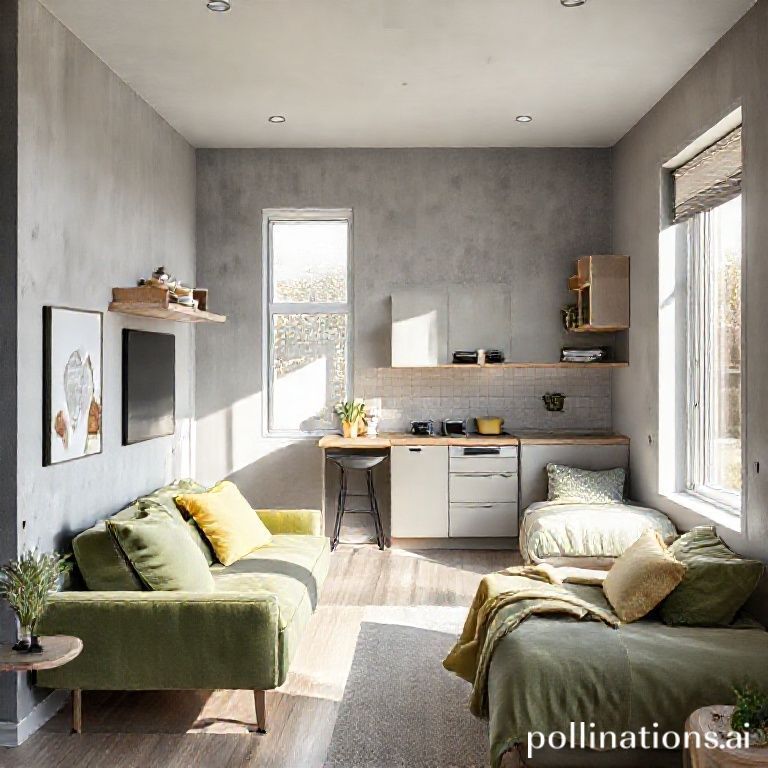
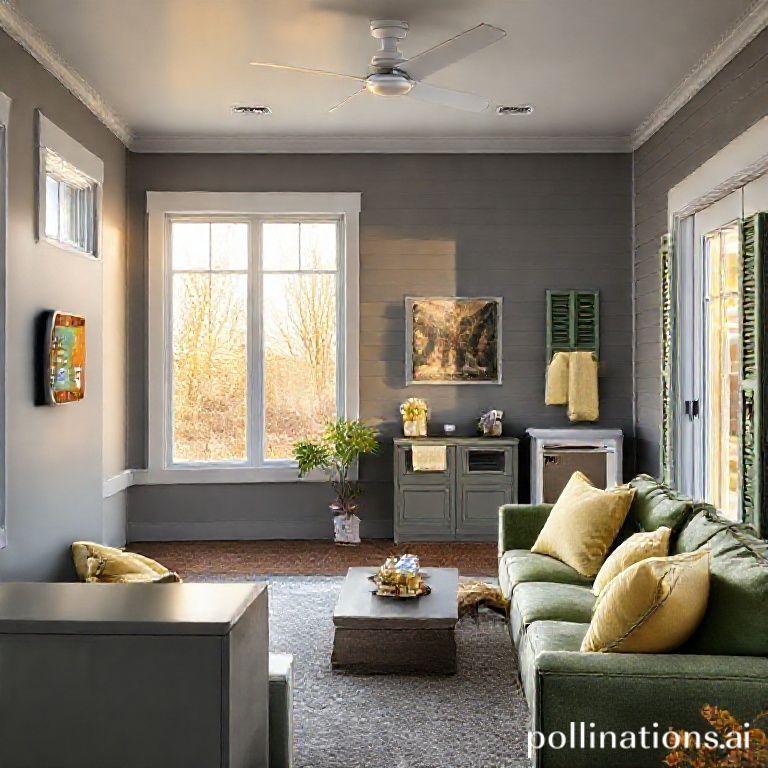
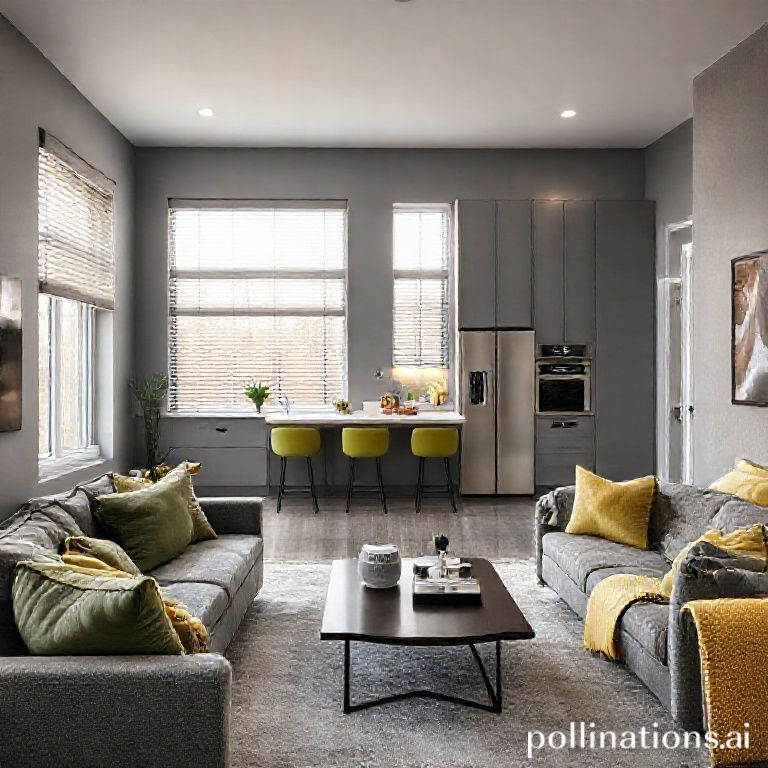
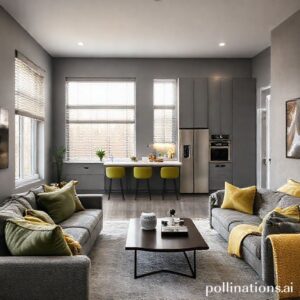
Neutral colors, such as whites, creams, and light grays, are perennial favorites in small bedrooms. These hues create an expansive feel and provide a serene backdrop that appeals to many homeowners. Lighter neutrals, like soft whites or pale beiges, can enhance natural light, making the space feel brighter. Additionally, neutral colors allow for flexible decor options, enabling you to change bed linens, artwork, and accessories without clashing with the wall color.
Pastel Shades
Pastel colors, characterized by their soft and muted tones, are excellent for small bedroom decor. Shades like powder blue, light lavender, and mint green can infuse a bit of personality without overwhelming the space. These shades evoke feelings of calmness and serenity, ideal for creating a restful environment. Pastels also reflect light beautifully, lending to an airy and spacious atmosphere. Consider using a pastel accent wall to introduce a pop of color while maintaining an overall light and cohesive look.
Monochromatic Schemes
A monochromatic color scheme involves using variations of a single color, which can effectively coordinate and unify small bedroom elements while making the space feel larger. For instance, choosing different shades of blue, from light sky to deep navy, can create a layered look that adds visual interest without cluttering the space. This method allows for personal expression while maintaining a balanced, harmonious aesthetic.
Pro Tips for Choosing Bedroom Colors
- Test Samples: Purchase small paint samples and apply them to your walls. Observe how they look in the morning and during the evening with different lighting.
- Consider the Trim: The color of your trim can affect how wall colors are perceived. A clean white trim can make colors appear more vibrant.
- Think About the Ceiling: Painting the ceiling a lighter shade or the same color as the walls can create a seamless look, tricking the eye into seeing a taller space.
- Use Accent Colors: Incorporate pops of color through decor such as bed linens or throw pillows to add personality without being overwhelming.
Common Mistakes to Avoid
While painting a small bedroom might seem straightforward, there are several common pitfalls to be aware of:
- Ignoring Natural Light: Failing to consider how much light the room gets can lead to color choices that feel heavy or oppressive.
- Too Many Colors: Using a variety of paint colors can make a small space feel chaotic. Opt for a limited palette that flows seamlessly.
- Neglecting the Ceiling: Forgetting to consider the ceiling’s color can result in a disjointed look. A light ceiling color can create the illusion of height.
Conclusion: Transformative Power of Color
In conclusion, selecting the perfect paint color for a small bedroom is critical for transforming the space into a cozy and inviting sanctuary. By understanding the principles of color psychology, considering the effects of natural light, and thoughtfully choosing your colors, you can create an environment that feels more extensive and welcoming. Don’t shy away from experimenting with colors that resonate with your personal style, but always keep in mind how they will interact with the dimensions and light of your space. For further guidance on home decor styles and trends, check out our other articles in the American Homes category. Happy decorating!