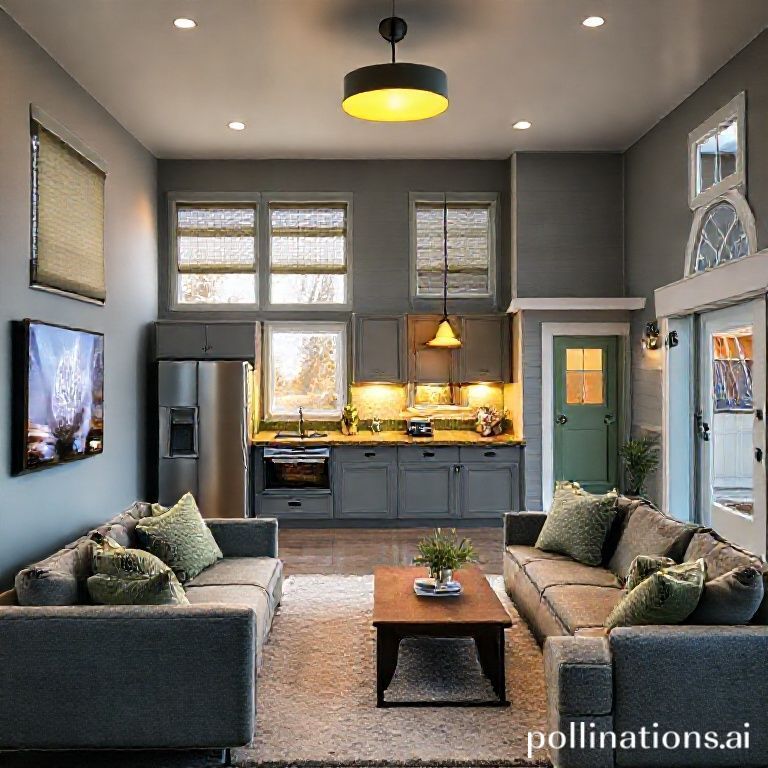
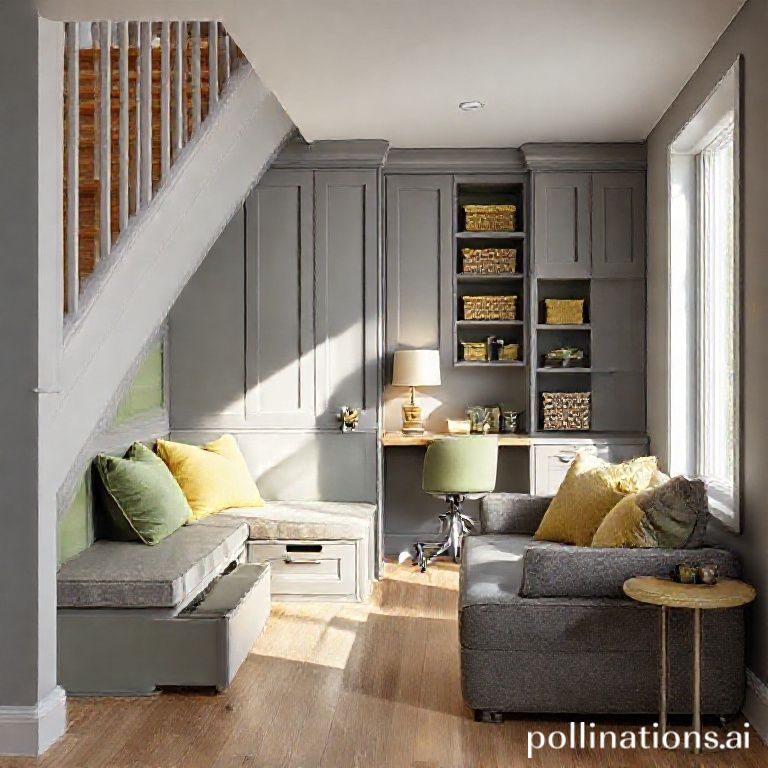
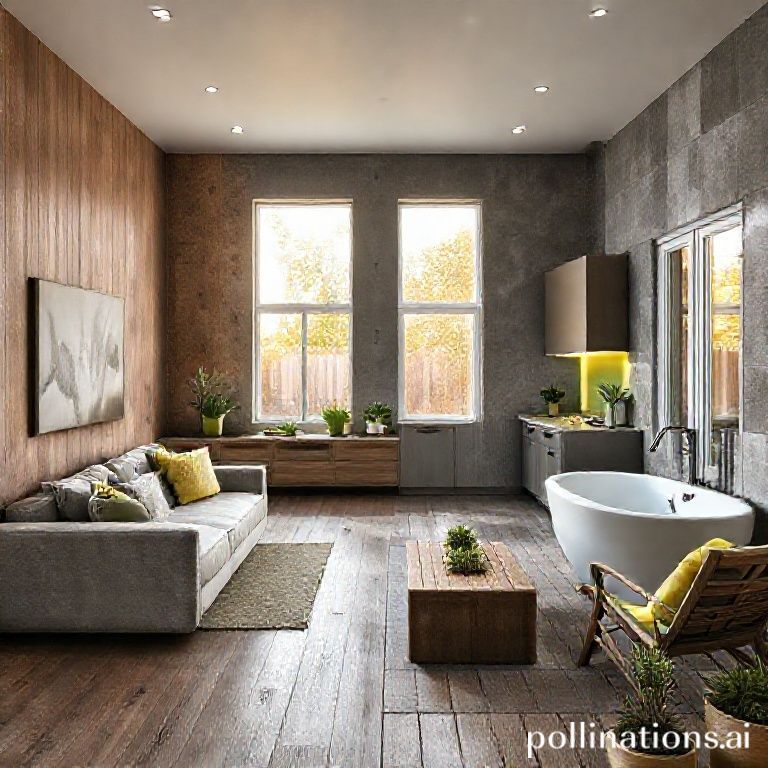
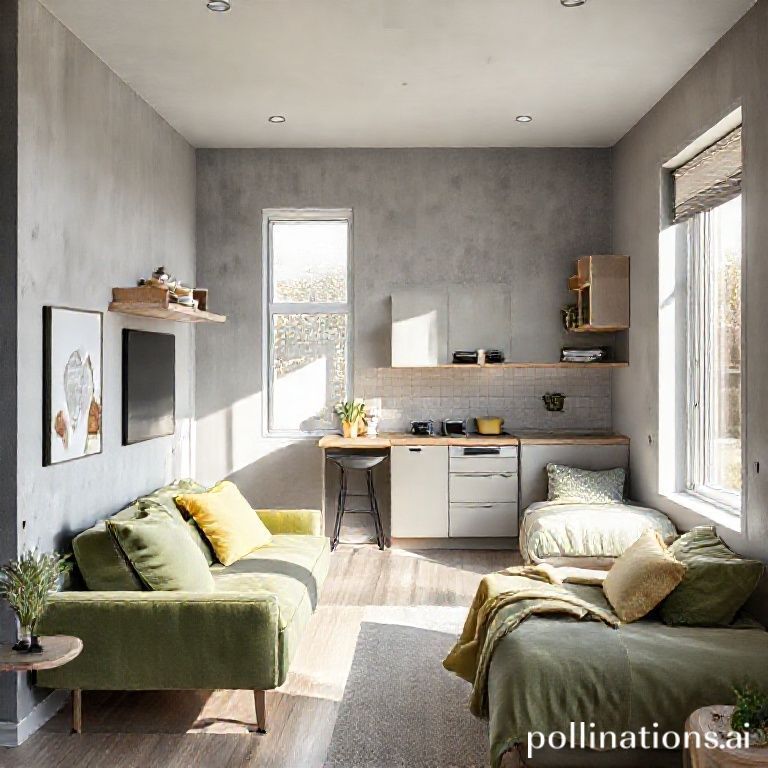
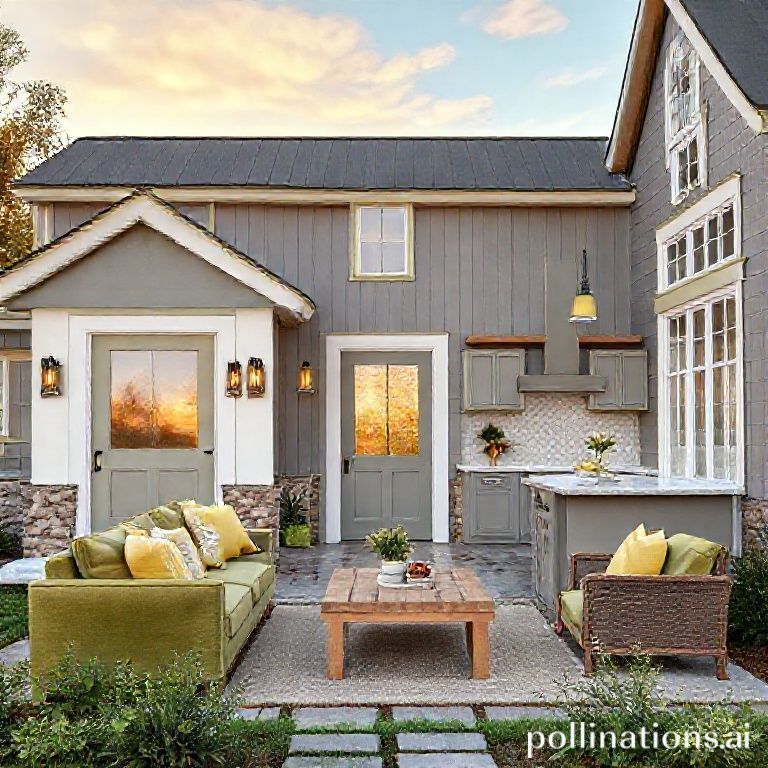
In the rapidly evolving landscape of home design, the rise of biophilic design has emerged as a powerful movement, significantly influencing the way Americans conceptualize and create their living spaces. This design philosophy, which fosters a deep connection between individuals and the natural environment, addresses a growing concern for well-being and mental health in the face of increasingly urbanized lifestyles. By integrating elements that echo nature—such as indoor plants, natural materials, and abundant natural light—biophilic design not only enhances the aesthetic appeal of homes but also enriches the psychological health of their inhabitants.
Research indicates that biophilic design works on the principle that the presence of natural elements can significantly reduce stress and increase feelings of tranquility. According to experts in the field, living spaces that incorporate natural features can improve mood and overall well-being, making homes not just places of residence, but sanctuaries of health and happiness. As this trend continues to gain momentum across urban and suburban landscapes, let’s delve into specific ways homeowners can embrace biophilic design and create nature-inspired living spaces.
Understanding Biophilic Design
The concept of biophilic design stems from what is known as the “biophilia hypothesis,” popularized by biologist Edward O. Wilson. Wilson posits that humans possess an innate tendency to connect with nature and other forms of life, a trait that is fundamental to our survival and emotional fulfillment. He suggests that the architecture and layout of our homes should reflect this inherent desire by thoughtfully incorporating elements of nature. As home renovation specialists advocate for greater integration of natural aspects, we’re seeing a shift in design paradigms that prioritize not just functionality, but also our psychological relationship with the natural world.
Elements of Biophilic Design
Biophilic design can be expressed through various dimensions that enhance a space with nature-inspired characteristics. Here are some key elements to consider:
1. Natural Light
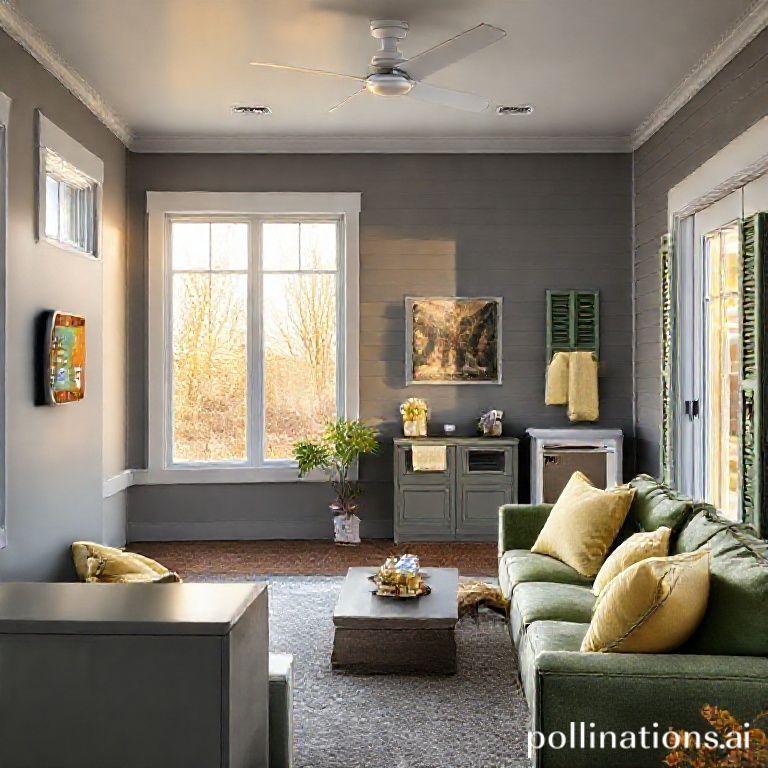
- Maximize Windows: Large windows not only flood interiors with natural light, but they also create a seamless visual connection to the outdoors. Designers recommend strategically placed windows to draw the eye to lush gardens or serene landscapes, enhancing the perceived size of the living area.
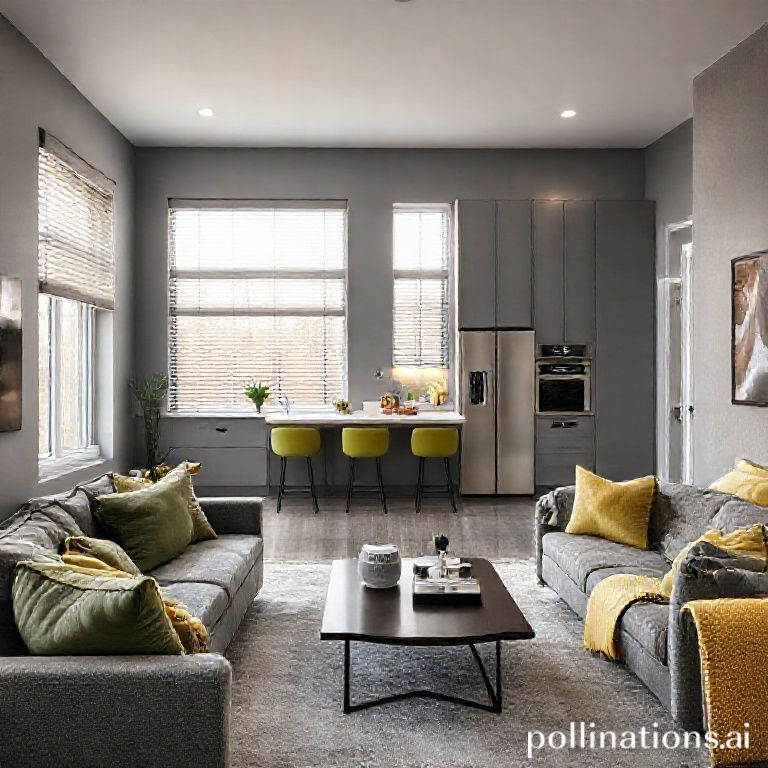
- Open Floor Plans: An open-plan layout without excessive partitions allows light to travel freely and casts inviting ambiance throughout the home. This design facilitates a comfortable flow between different spaces while encouraging interaction with nature.
2. Indoor Plants
Incorporating greenery into your home is perhaps the most accessible way to adopt biophilic design principles. Recent studies show that indoor plants can improve air quality and contribute to increased productivity and focus.
- Choose Low-Maintenance Varieties: Plants such as snake plants, pothos, and succulents are not only stylish but also require minimal care, making them perfect for busy households.
- Create a Green Corner: Dedicated plant zones can become focal points of any room; consider a shelf or corner table where you display a variety of plant sizes and species.
3. Natural Materials
Using materials that evoke the essence of nature is crucial in biophilic design. Eco-friendly materials such as wood, stone, and glass create a serene and inviting atmosphere while underscoring sustainability.
- Wood Accents: Reclaimed wood can add warmth and character to a space, transforming walls, furniture, or flooring.
- Stone Features: Incorporating stone elements, whether in fireplaces, countertops, or decorative pieces, can establish a harmonious connection to the earth.
4. Color Palette
A harmonious color palette inspired by nature can significantly influence the ambiance of your home. Earthy tones—such as greens, browns, and soft neutrals—are central to creating a calming environment.
- Painted Walls: Consider soft beige or muted green for walls; these tones can enhance natural light and foster a tranquil atmosphere.
- Textiles and Accessories: Introduce textiles in natural hues (like those found in nature) through cushions, rugs, or curtains to create layers of comfort.
Incorporating Biophilic Design into Your Home
To successfully integrate biophilic design into your home, consider the following practical strategies:
- Assess Your Space: Take stock of your current living environment and identify opportunities for improvement. Look for areas that lack natural light or feel disconnected from the outdoors.
- Engage with Nature: Use your home’s layout strategically to connect it with outdoor spaces. If possible, create easy access to gardens or landscaped areas, allowing nature to be part of your daily experience.
- Educate Yourself: Research and learn about biophilic elements that resonate with you. Explore local nurseries for plant recommendations or visit eco-friendly building supply stores for sustainable materials.
- Gradually Transform Your Space: Start small; integrate a few plants or rethink your lighting. Over time, add more natural elements based on your evolving style and preferences.
Designer Insight: The Benefits of Biophilic Design
Design experts advocate that embracing biophilic design goes beyond aesthetic improvement. It directly contributes to enhanced mental clarity, reduced anxiety levels, and increased overall happiness. By creating a living space filled with natural elements, homeowners can achieve an atmosphere that not only looks good but feels good too. With studies indicating that contact with nature can lower blood pressure and elevate mood, the implications for health and wellness are profound.
Common Mistakes to Avoid
- Overstuffing with Plants: While greenery is advantageous, cramming too many plants into a small area can overwhelm the senses. It’s best to choose a few well-placed specimens rather than clustering many in a confined space.
- Neglecting Maintenance: Remember to care for your plants and materials. Neglected interiors can shift from a serene environment to a cluttered, stressed one in no time.
- Forgetting Functionality: A beautiful space should still serve its intended purpose. Always consider the functionality alongside aesthetics to ensure both comfort and practical utility.
Conclusion: Embracing Nature in American Homes
As the trend of biophilic design continues to flourish in American homes, it becomes increasingly clear that the integration of natural elements is more than just a passing fad. The emphasis on well-being, serenity, and natural connections demonstrates a collective shift towards creating living spaces that reflect our innate human need for nature. By thoughtfully incorporating elements such as indoor plants, natural materials, and ample natural light, homeowners can create a sanctuary that nurtures both body and mind. For those seeking to deepen their engagement with biophilic concepts, consider exploring other styles such as Rustic, Modern, or Contemporary, which can further enhance your home’s connection to nature. Embrace the journey of integrating biophilic design into your life, and discover the transformative power it holds for your well-being.